Chichén Itzá: The Pyramid That Screams
Twice a year, on the spring and autumn equinoxes, something remarkable happens at Chichén Itzá. As the sun sets, shadows creep down the northern staircase of El Castillo pyramid, creating the illusion of a serpent descending from the temple to the stone serpent head at the base. But the acoustic engineering is equally remarkable: clap your hands at the base, and the pyramid returns a chirping echo that sounds like the quetzal, the sacred bird of Mesoamerica. The Maya built magic into stone - optical and acoustic illusions that still astonish visitors a thousand years later.
The City
Chichén Itzá was one of the largest Maya cities, flourishing from roughly 600 to 1200 AD. It sits in the northern Yucatán, built around natural sinkholes (cenotes) that provided water in the limestone landscape. At its peak, it may have been home to 50,000 people.
The city shows a blend of Maya and central Mexican influences, suggesting trade or conquest connections with Toltec civilization. The architectural styles evolved over centuries. El Castillo, the famous pyramid, was built around 900 AD over an earlier, smaller pyramid that archaeologists discovered inside.
The Pyramid
El Castillo rises 98 feet above the plaza - a nine-stepped pyramid with temples at the top. The numbers are symbolic: four staircases of 91 steps each, plus the temple platform, equal 365 - the solar year. Nine terraces, divided by staircases, create 18 sections on each side - the Maya calendar's months.
But the true genius is the serpent shadow. On the equinoxes, afternoon sunlight and shadow create seven triangles of light that descend the northern balustrade, connecting to the carved serpent head at the base. The Maya designed a pyramid that comes alive with a snake god twice a year.
The Echo
Stand at the base of El Castillo and clap. The echo that returns isn't a normal reflection - it's a sharp chirp, rising in pitch, remarkably similar to the call of the quetzal bird. Acoustic researchers have confirmed this isn't accidental: the pyramid's steps act as a diffraction grating, scattering sound waves in a specific pattern.
Whether the Maya intentionally designed this effect is debated. But they were sophisticated astronomers and engineers - people who could predict eclipses and build serpent shadows probably understood acoustics too. The quetzal was sacred, associated with the god Quetzalcoatl. A pyramid that speaks in the bird's voice would have been powerful magic.
The Cenote
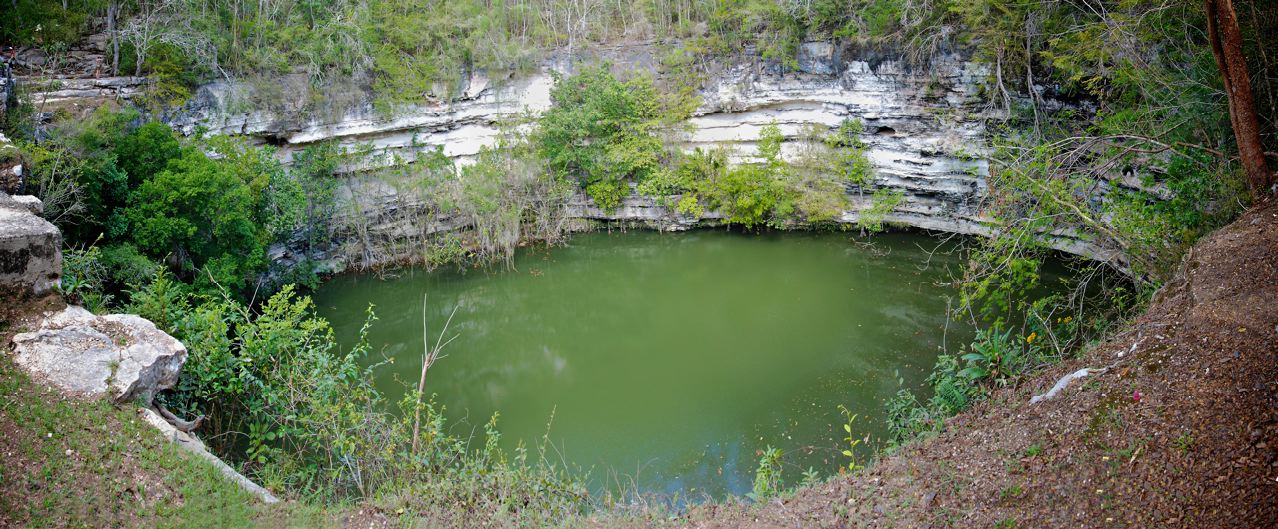
North of the pyramid lies the Sacred Cenote - a natural sinkhole 200 feet across. The Maya threw offerings into its depths: gold, jade, pottery, and humans. Dredging in the early 20th century recovered artifacts from across Mesoamerica and human bones - evidence of sacrifice.
The cenote wasn't just a sacrifice site - cenotes were the only water source in the Yucatán. The Maya believed they were portals to the underworld, places where rain gods lived. Chichén Itzá's power derived partly from its sacred water source.
The Wonder
Chichén Itzá was named a UNESCO World Heritage Site in 1988 and one of the New Seven Wonders of the World in 2007. Over 2 million visitors come annually - many timing their visits to the equinoxes to see the serpent shadow.
Climbing the pyramid was banned in 2006 after a fatal fall. Visitors now view El Castillo from below, clapping to hear the quetzal echo, watching the snake descend (if visiting at equinox), marveling at what the Maya accomplished with stone, astronomy, and acoustics. The pyramid stands as proof that magic can be engineered.
From the Air
Chichén Itzá (20.68N, 88.57W) lies in the Yucatán Peninsula of Mexico. Cancún International Airport (MMUN) is 200km east. Mérida International (MMMD) is 120km west. The site is visible from the air - El Castillo rises prominently from the cleared jungle. The Sacred Cenote is identifiable as a dark circular pool north of the pyramid. Weather is tropical - hot and humid with a rainy season May through October.