Chief Plenty Coups State Park
"This park is not to be a memorial to me, but to the Crow Nation." These words, spoken by Chief Plenty Coups in 1928, echo across the gentle Montana landscape west of Pryor where his homestead still stands. The man who was called "Chief of Chiefs" among his people did something remarkable as his final act of leadership: he gave away his home. Not to family, not to the tribe alone, but to all people, red and white alike. Today, this gift remains the only museum of Apsaalooke (Crow) culture in the entire United States, a quiet place where the snows of many winters still fall on the land that shaped a nation.
A Chief's Vision
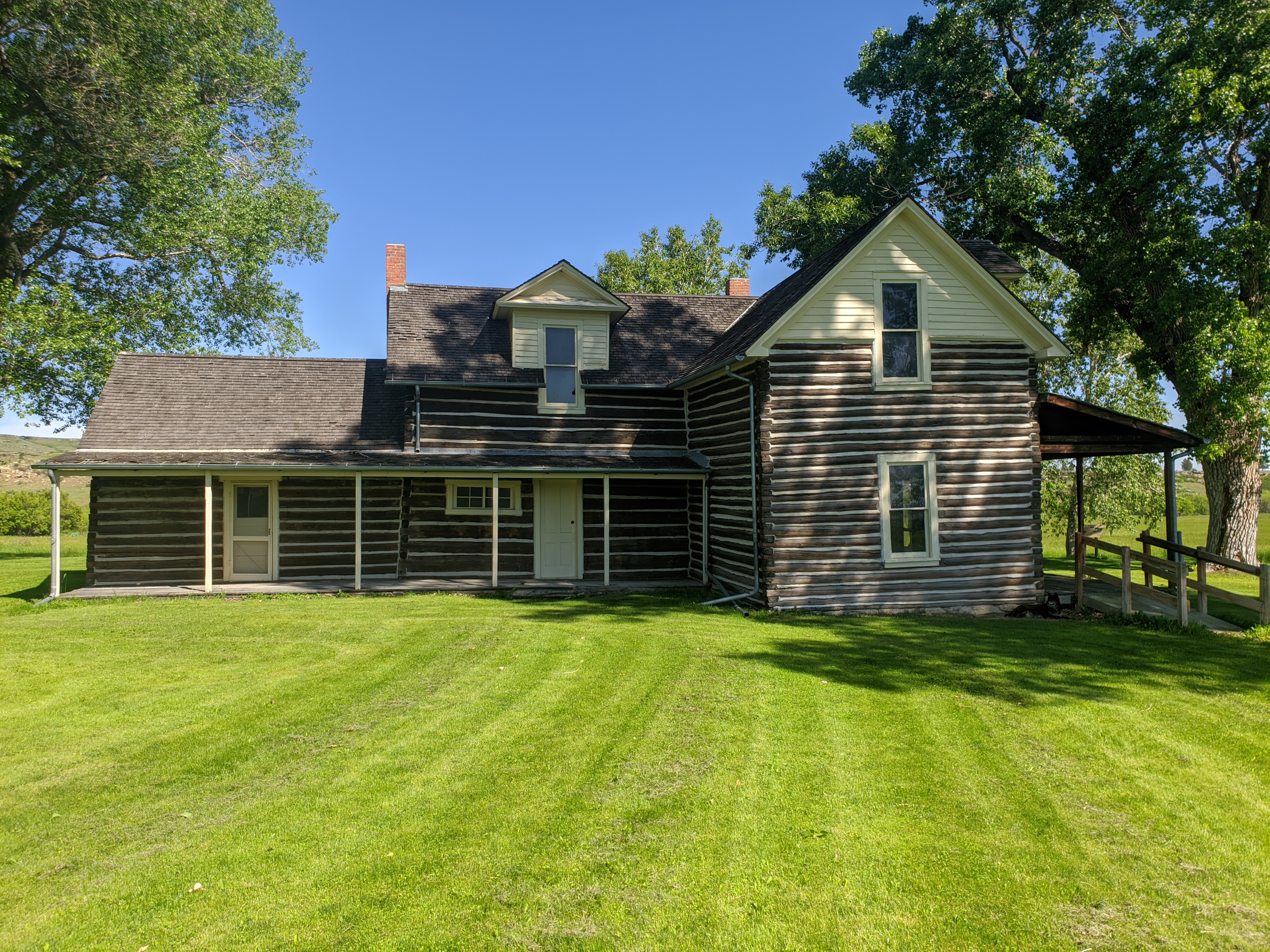
Plenty Coups, whose Crow name Alek-Chea-Ahoosh means "Many Achievements," settled on this land in 1883 when he chose an allotment on the Crow Reservation. By 1884, he had begun building the modest house that still stands today, a tangible bridge between the traditional tipi life of his youth and the changing world of the Northern Plains. The homestead grew to include a sacred spring and carefully planted trees, elements the chief specifically envisioned for the property. When he presented the land to Big Horn County in 1928, he ensured that his home, the spring, and the trees he had planted would be preserved for generations to come.
The Gift of Friendship
Chief Plenty Coups and his wife, Strikes the Iron, made their gift with words that still resonate nearly a century later. Standing on land where tepees had once risen against the sky, the chief declared his gift was "a token of my friendship for all people, both red and white." This was no ordinary land transfer. It was a statement of hope from a leader who had witnessed his people's world transform utterly during his lifetime. The property became a National Historic Landmark, recognizing its significance not just to Montana history but to the story of America itself. It was listed on the National Register of Historic Places in 1970, cementing its status as a site of national importance.
Keepers of the Legacy
After Chief Plenty Coups died in 1932, the responsibility of caring for his gift passed through several hands. The Big Horn County Commission employed a caretaker for the farm and buildings. In 1951, the Billings Kiwanis Club took stewardship, operating a small museum in the house and placing sandstone markers at the grave sites of Chief Plenty Coups and his wives. The current visitor center and museum rose in 1972, built with contributions from tribal and private donors. The original house was carefully stabilized in 1993 and 1994, and in 2003, the state invested $600,000 in museum renovations including fire suppression systems and refurbished interpretive displays.
Living Tradition
Today, Chief Plenty Coups State Park serves as a living connection between past and present. The park offers educational programs for schools and groups, ensuring that new generations learn the story of the Crow Nation and their revered leader. Each Labor Day weekend, the park hosts its main event, the Day of Honor. This celebration draws many members of the Crow or Apsaalooke who come to share food, dancing, and the continuing traditions of their people. The visitor center and the Chief's House remain open to the public year-round, welcoming those who wish to walk where Plenty Coups walked and understand the vision he held for all people.
From the Air
Located at 45.428N, 108.548W on the Crow Reservation west of Pryor, Montana. Best viewed at 3,000-5,000 feet AGL. The park sits in rolling Montana prairie with the Pryor Mountains visible to the south. Nearest airports include Billings Logan International (KBIL) approximately 40nm to the north. Look for the distinctive cluster of buildings and mature trees that mark the homestead against the surrounding grasslands.