The Chilean Mine Rescue: 69 Days Underground
On August 5, 2010, the San José copper-gold mine in Chile's Atacama Desert collapsed, trapping 33 miners in a refuge chamber 2,300 feet underground. For 17 days, the world didn't know if they were alive. Then a drill bit broke through into the chamber and came back with a message taped to it: 'Estamos bien en el refugio, los 33' - 'We are well in the shelter, the 33.' What followed was a 69-day ordeal of survival, ingenuity, and hope, culminating in a rescue watched by a billion people worldwide. One by one, the miners were lifted to the surface in a specially built capsule called the Fénix. The last miner emerged on October 13, 2010. All 33 survived.
The Collapse
The San José mine had a troubled safety record - previous collapses had killed workers, and the mine had been temporarily closed for safety violations. On August 5, 2010, a massive block of diorite - about 700,000 tons of rock - collapsed near the main shaft, sealing the mine.
Thirty-three miners were working below the collapse. They made their way to a refuge chamber - a space designed for emergencies, stocked with limited food and water. The chamber was the size of a small apartment. It was meant for 48 hours of refuge, not the weeks they would spend there. They had no way to know if anyone knew they were alive.
The Search
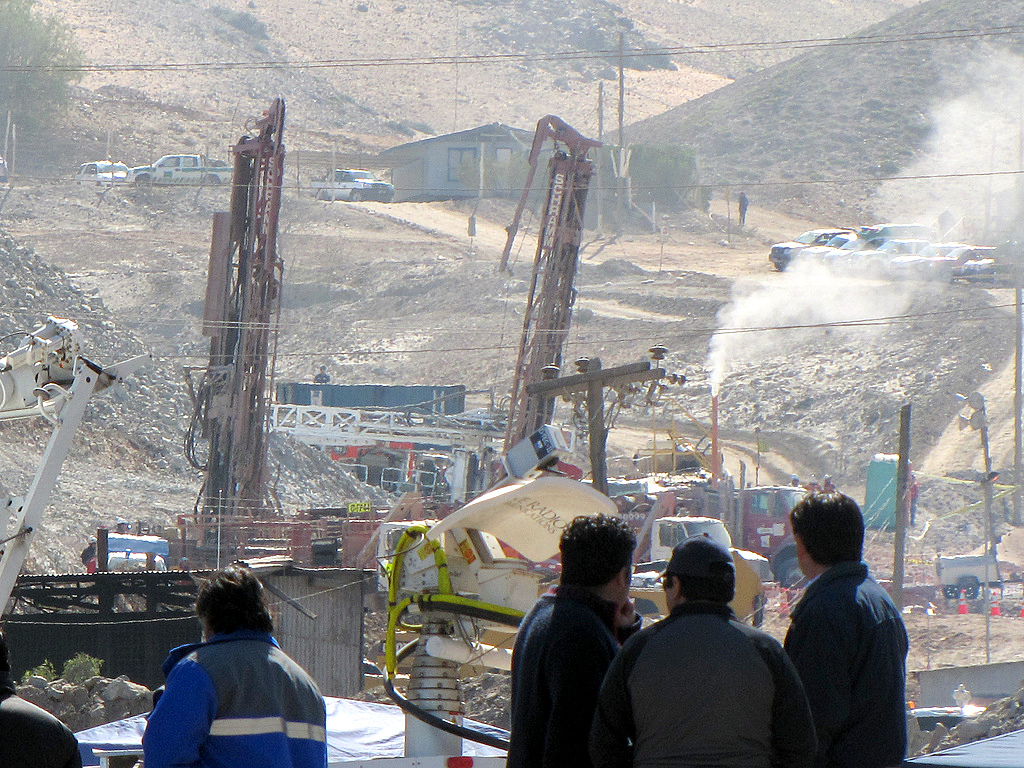
Rescue teams began drilling immediately, but finding the miners was like threading a needle through half a mile of rock. The first eight probes missed. On August 22 - 17 days after the collapse - the ninth probe broke through into the refuge area. When it was pulled back, the message was found.
The miners had survived by rationing their emergency supplies - each man received two spoonfuls of tuna, half a glass of milk, and a biscuit every 48 hours. They had established a strict routine, dividing the chamber into areas for sleeping, eating, and sanitation. They had kept hope alive through discipline and solidarity.
The Communication
Once contact was established, small tubes called 'palomas' (doves) were used to send supplies, medicine, and communication devices to the miners. Video links allowed the miners to see their families. The world watched interviews with men trapped underground. A fiber-optic cable provided telephone and video communication.
Life underground became almost routine. Supplies arrived regularly. The miners exercised, played dominoes, watched soccer matches. A spiritual leader among them organized daily prayers. Psychologists monitored their mental health. The world sent messages of support. The miners became celebrities before they even reached the surface.
The Fénix
Rescuing the miners required boring a shaft wide enough for a man to pass through. Three drilling operations ran simultaneously. On October 9, one reached the miners. A rescue capsule called 'Fénix' (Phoenix) was designed and built specifically for the operation - narrow enough to fit the shaft, equipped with oxygen, communications, and lighting.
On October 12, the first miner, Florencio Ávalos, entered the capsule. Fifteen minutes later, he emerged at the surface. One by one, over the next 22 hours, all 33 miners were brought up. The shift supervisor, Luis Urzúa, was the last to leave, insisting on being the final man out. 'We have done what the entire world was waiting for,' he said upon emerging.
The Aftermath
The rescue was watched by an estimated one billion people - one of the largest television audiences in history. The miners became instant celebrities, met presidents, received gifts and job offers. Some struggled with the sudden fame. Some suffered PTSD. All had their lives changed forever.
The San José mine never reopened. The owners were charged with involuntary manslaughter but acquitted. The Chilean government enacted stricter mining safety regulations. The rescue operation became a model studied worldwide. But beyond the politics and the reforms, the rescue of the 33 remains a story of human endurance and solidarity - 69 days in darkness, then emergence into light.
From the Air
The San José mine (27.16S, 70.50W) is located in the Atacama Desert in northern Chile, near the town of Copiapó. Desierto de Atacama Airport (CPO/SCAT) is 45km southwest. The terrain is extremely arid desert at about 800m elevation. The mine site is visible but the underground chamber was 700m below. Weather is desert - hot days, cool nights, almost no rainfall.