China Aviation Museum
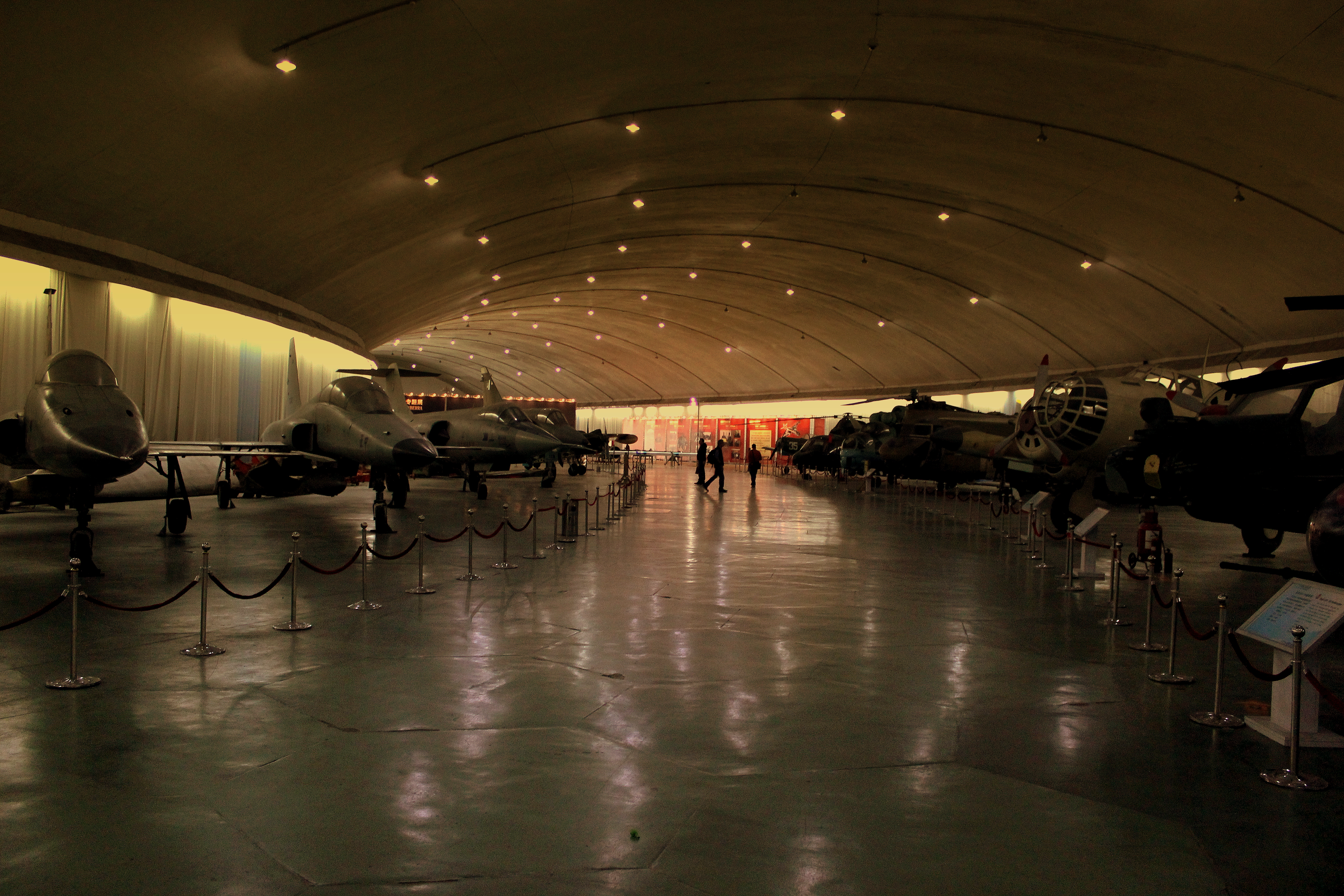
Step inside a mountain and you step into a different kind of museum. The China Aviation Museum sits partially inside a cavern carved into Datangshan Mountain north of Beijing, a 586-meter-long underground bunker that once sheltered military jets from nuclear attack. Today those same tunnels shelter something else entirely: the largest collection of aircraft in Asia, more than 300 machines arranged in a progression from the earliest days of powered flight to the jet age and beyond.
From Bunker to Museum
The cavern's origins are purely military. Shahezhen Airbase hollowed out Datangshan Mountain during the Cold War to create a dispersal bunker for combat aircraft, 40 meters wide and 11 meters high, deep enough to hide an entire squadron from aerial reconnaissance. When the People's Liberation Army Air Force turned 40 on November 11, 1989, the bunker was repurposed as the museum's centerpiece. The conversion was both practical and symbolic: a space built to conceal weapons of war became one dedicated to displaying them openly. Aircraft line the cavern floor where maintenance crews once worked under artificial light, and the mountain itself forms the museum's walls and ceiling.
A Collection of Cold War Ghosts
The outdoor area sprawls across the hillside, but the collection's real treasures tell stories of geopolitical complexity. A Lockheed D-21 reconnaissance drone, capable of speeds exceeding Mach 3, sits among Chinese-built fighters. An Ilyushin Il-18V turboprop transport once served as Mao Zedong's personal aircraft. Soviet MiG-9s and American P-51 Mustangs sit near each other, former enemies sharing the same concrete apron. A Douglas DC-8 that once flew as ORBIS International's flying eye hospital, performing surgeries across the developing world from 1982 to 1994, rests among combat aircraft. The juxtapositions are constant and deliberate, telling the story of how Chinese aviation drew from every major power's technology while developing its own.
The Weight of the Machines
What strikes visitors most is the sheer physical presence of these aircraft. Inside the cave, light falls unevenly across fuselages that range from fabric-covered biplanes to swept-wing interceptors. The museum houses everything from a replica of the 1903 Wright Flyer to jet-age Shenyang fighters, tracing the arc of aviation from the Wright brothers' twelve-second flight to machines that broke the sound barrier. Korean War-era jets share space with surface-to-air missiles, including HQ-2 systems derived from Soviet S-75 designs. The collection extends to helicopters, bombs, radar systems, and the small details of aerial warfare that rarely survive: gun cameras, flight instruments, the cockpit switches that pilots reached for in the last seconds before combat.
A Mountain Full of Contradictions
The China Aviation Museum holds national first-class museum accreditation, co-sponsored by both the PLA Air Force and the Aviation Industry Corporation of China. That dual sponsorship captures the museum's tension between military history and industrial pride. Aircraft acquired from former adversaries sit alongside domestically produced machines, each telling a different chapter of China's relationship with aviation technology. An F-104 that once wore Italian Air Force markings parks near an F-86 from Pakistan's fleet. These are not trophies of war but artifacts of diplomacy, technology transfer, and the complex Cold War relationships that shaped modern Asia. The mountain that was built to hide military secrets now invites the world inside to see them.
From the Air
Located at 40.18N, 116.36E in the Changping District, approximately 50 km north-northwest of central Beijing. The museum sits at the base of Datangshan Mountain. Nearest major airport is Beijing Capital International Airport (ZBAA/PEK), 35 km to the southeast. Approach from the south for best views of the outdoor aircraft display area against the mountain backdrop. Elevation approximately 100 meters.