China Printing Museum
Four centuries before Gutenberg set his first line of type in Mainz, a Chinese artisan named Bi Sheng was already experimenting with movable characters made from baked clay. The China Printing Museum in Beijing's Daxing District, established in 1996, tells this story and the much longer one that surrounds it, tracing the written word from oracle bone inscriptions scratched during the Shang dynasty to the industrial presses of the modern era. It is the largest museum dedicated to printing anywhere in the world, and its ambition matches its subject: nothing less than the history of how humanity learned to reproduce thought on a surface.
Before the Press
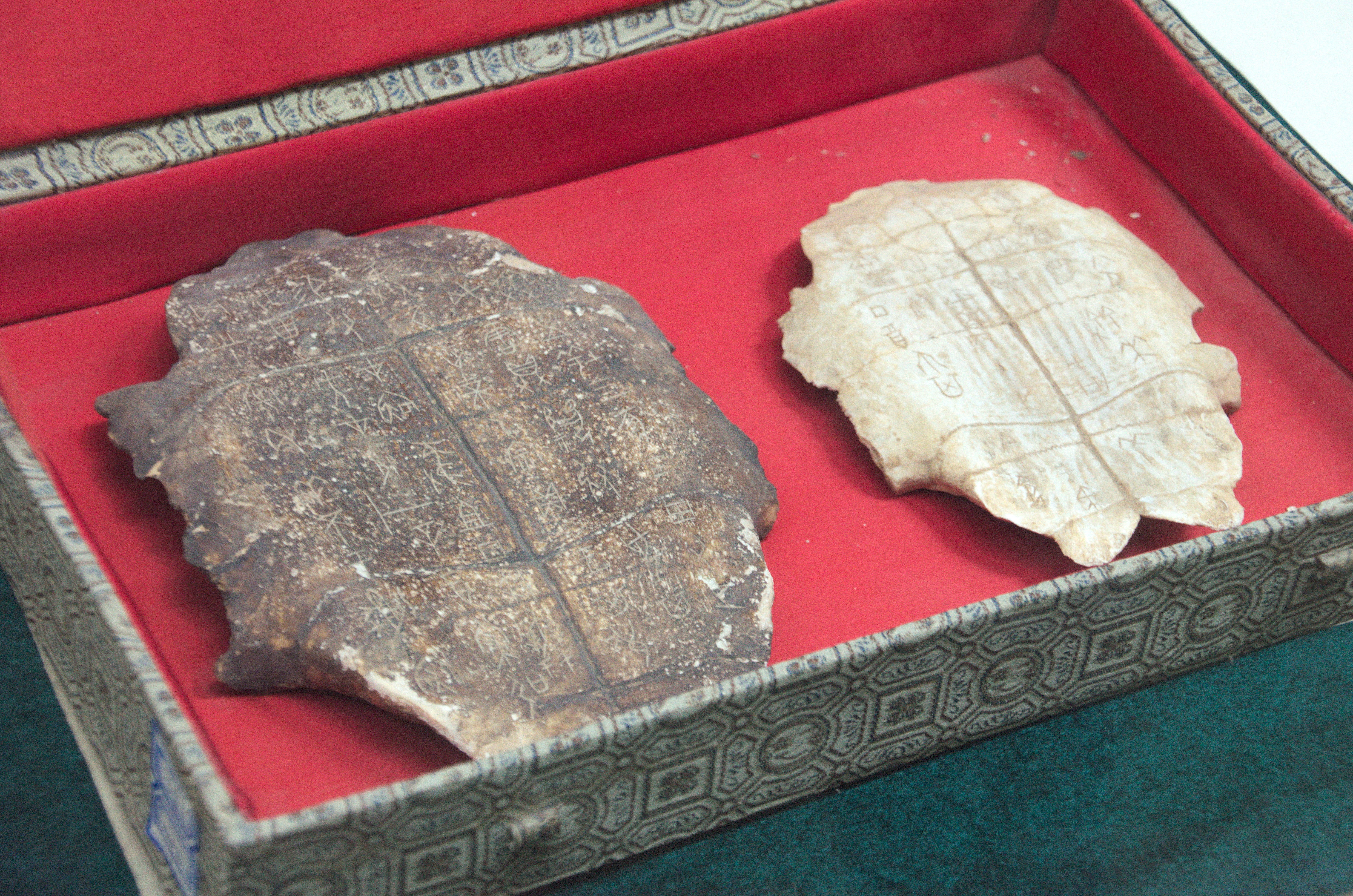
The museum's collection begins long before anything resembling a printing press existed. Oracle bone script from the Shang dynasty (16th to 11th century BC), unearthed at the ancient capital of Yin near modern Anyang in Henan Province, represents some of the earliest Chinese writing. Pencil brushes from the Warring States period (475-221 BC) show how calligraphy developed as both art form and communication tool. The progression from carved bone to brush to block print to movable type unfolds through the museum's halls as a continuous narrative, each innovation building on what came before. The exhibits include not just the tools themselves but the materials they worked on, from bamboo strips to silk to the rice paper whose production process is demonstrated step by step.
Bi Sheng's Revolution
The museum gives pride of place to Bi Sheng, the 11th-century inventor who created the world's first known movable type system. Working during the Northern Song dynasty, Bi Sheng carved individual characters into pieces of clay, which he then hardened by baking. The characters could be arranged, inked, and pressed onto paper, then rearranged for the next page. A reconstruction of his workshop and tools occupies a central exhibit space. The system preceded Gutenberg's metal movable type by approximately four hundred years, though the massive character set required by Chinese writing made the technology less immediately transformative than its European counterpart. The museum presents this history without triumphalism, acknowledging the practical challenges that limited movable type's adoption in China while documenting its genuine priority.
From Paper to Page
Rice paper production receives its own detailed treatment. The museum walks visitors through the laborious process of turning rice straw into the thin, absorbent sheets that made Chinese printing possible, from soaking and pounding raw materials to the delicate art of sheet formation. This attention to papermaking reflects a broader curatorial philosophy: printing is not merely about type and presses but about the entire ecosystem of materials, skills, and knowledge that makes the reproduction of text possible. The museum's collection includes printing equipment spanning centuries, printed manuscripts, ceramics bearing text, and other artifacts that document how the printed word permeated Chinese culture from government edicts to Buddhist sutras to popular literature.
A Living History
Situated on a university campus near Qingyuanlu Station on Beijing Subway Line 4, the China Printing Museum occupies a space where scholarship and craft intersect. Its location in Daxing District places it well south of Beijing's historic center, away from the tourist corridors. Visitors tend to be students, researchers, and those with a specific interest in the history of communication technology. The museum's relative obscurity among international tourists belies its significance: in a single visit, it traces the full arc of humanity's ability to preserve and distribute knowledge, from the first scratches on turtle shell to the precision of modern offset lithography. Few museums anywhere attempt so complete a telling of so fundamental a story.
From the Air
Located at 39.74N, 116.33E in Daxing District, southern Beijing. The museum is situated on a university campus near Qingyuanlu Station on Subway Line 4. Beijing Daxing International Airport (ZBAD) lies approximately 30 km to the south-southeast. Beijing Capital International Airport (ZBAA) is about 45 km to the northeast. From the air, Daxing District is characterized by newer urban development with a more open grid pattern than the dense historic core to the north.