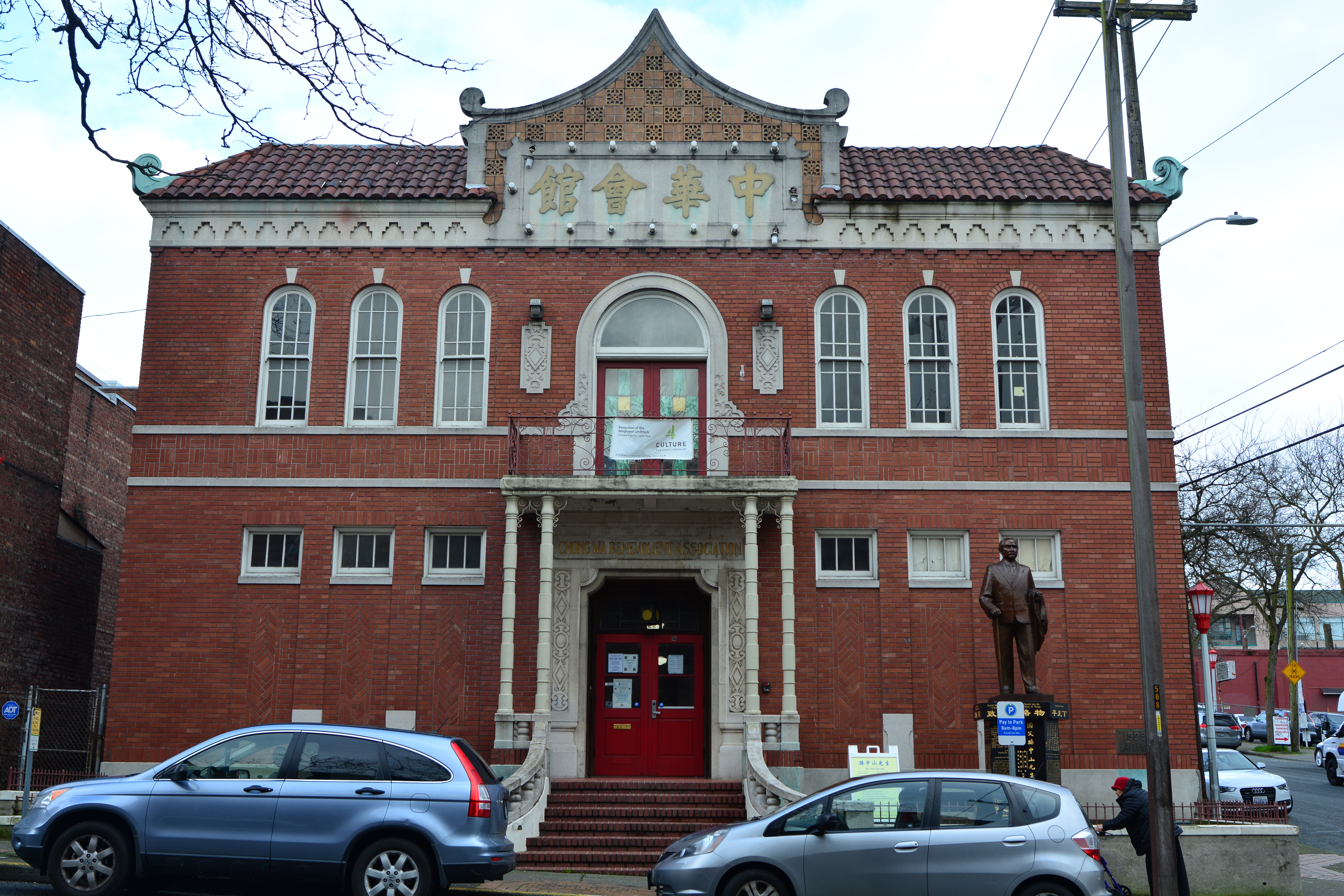
Chinese Consolidated Benevolent Association
For more than a century, the Chinese Consolidated Benevolent Association -- known colloquially as the Chinese Six Companies -- served as the de facto government of San Francisco's Chinatown. When the official government of the United States treated Chinese immigrants as unwelcome aliens, passing the Chinese Exclusion Act and tolerating anti-Chinese violence, the CCBA stepped into the vacuum. It mediated disputes, provided social services, fought discriminatory legislation in court, and represented the Chinese community to the broader society. The association's headquarters on Stockton Street functioned as Chinatown's city hall.
A Government Within a Government
The CCBA was formed from several district associations (huiguan) that represented Chinese immigrants from different regions of Guangdong Province. Each association served immigrants from a specific area, providing lodging, employment assistance, and dispute mediation. The umbrella organization coordinated among these groups and served as the community's collective voice. In the absence of political representation -- Chinese immigrants could not become naturalized citizens or vote -- the CCBA negotiated with city, state, and federal authorities on behalf of the community. Its power was informal but real, derived from the trust of its constituents rather than the authority of the state.
Fighting the Exclusion Act
The CCBA mounted legal challenges to anti-Chinese legislation throughout the late 19th and early 20th centuries. It funded test cases, hired attorneys, and organized political campaigns that challenged the constitutionality of discriminatory laws. While these efforts could not overturn the Chinese Exclusion Act, they established important legal precedents and demonstrated that the Chinese community would not accept persecution passively. The association's legal advocacy laid groundwork that later civil rights movements would build upon.
Evolution and Continuity
As the Chinese American community has grown, diversified, and integrated into the broader American political system, the CCBA's role has evolved. It no longer serves as the sole representative of the community or its primary provider of social services. But it remains an active institution in Chinatown, maintaining its headquarters, supporting cultural events, and representing the interests of Chinese Americans in civic matters. Its continued existence, more than 150 years after its founding, testifies to the durability of the mutual aid tradition that Chinese immigrants brought to San Francisco and that sustained them through decades of hostility.
From the Air
The CCBA headquarters is on Stockton Street in San Francisco's Chinatown at approximately 37.79N, -122.41W. Nearest airports: KSFO 12nm south, KOAK 8nm east.