Chiricahua Mountains
The Opata people called them Chiwi Kawi, Turkey Mountain, for the wild birds that once filled these slopes. The Chiricahua Apache made these peaks their stronghold, holding off armies for decades. And somewhere in the forested canyons, a jaguar named Sombra still roams, perhaps the last of his kind in the United States. The Chiricahua Mountains are many things at once: a fortress, a sanctuary, a geological wonder, and one of the most biodiverse places in North America.
An Island in the Sky
Rising from desert valleys at 3,600 feet to a summit of 9,759 feet at Chiricahua Peak, this range spans five of the nine life zones found on Earth. Grasslands and desert scrub give way to oak woodlands, then pine forests, then Douglas fir at the highest elevations. Biologists call such places sky islands, mountain ranges isolated by lowland deserts that function like islands in a sea of sand. Three hundred seventy-five bird species have been recorded here, including Mexican species like the elegant trogon and eared quetzal that reach the northern edge of their range in these canyons. Ocelots hunt in the shadows. Mountain lions and black bears claim the high country. And Sombra, a male jaguar first photographed by wildlife cameras, represents a species that has not sustained a breeding population this far north in over a century.
The Fire That Turned to Stone
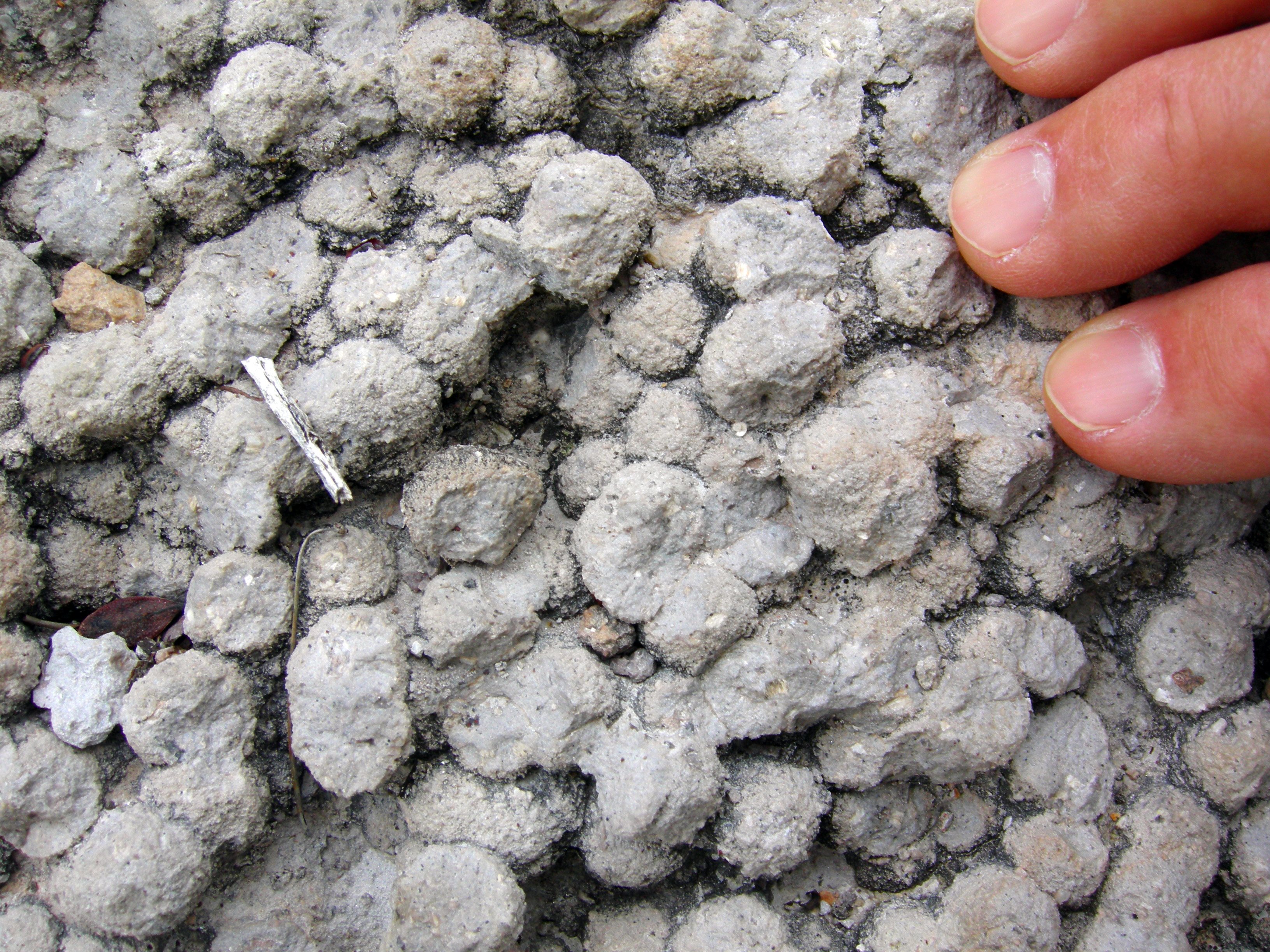
Twenty-seven million years ago, the Turkey Creek Caldera erupted with catastrophic force, blanketing the landscape in volcanic ash hundreds of feet deep. The ash fused into welded rhyolite tuff, a stone so distinctive it has its own name: Rhyolite Canyon Tuff. Over millennia, erosion sculpted this layer into the stone spires and balanced rocks that now fill Chiricahua National Monument. These hoodoos rise from the forest like petrified giants, columns and pinnacles created when softer rock eroded around harder cores. The Precambrian basement rocks beneath them are over a billion years old, but it is the volcanic violence of the relatively recent past that gives these mountains their otherworldly appearance.
Homeland and Refuge
Human presence here stretches back over 13,000 years to the Clovis people, whose archaeological sites dot the surrounding valleys. The Cochise culture, spanning 3000 to 200 BCE, takes its name from these mountains. Later came the Mogollon and Mimbres peoples, leaving pottery and petroglyphs. But the mountains are most remembered for the Chiricahua Apache, who arrived centuries ago and made these peaks their homeland. From these canyons, leaders like Cochise and Geronimo resisted American expansion until forced removal in the 1880s. Fort Bowie National Historic Site, at the northwestern edge of the range beyond Apache Pass, preserves the military outpost that helped end their resistance.
The Wild Border
Today, roughly 87,700 acres of the Chiricahua Mountains are protected as wilderness, managed within the Coronado National Forest. Cave Creek Canyon, on the eastern slopes, draws birders from around the world to the communities of Portal and Paradise and the American Museum of Natural History's Southwest Research Station. But the mountains' remoteness has also attracted darker activity. Drug cartels and human smugglers use the peaks as lookout points to monitor Border Patrol movements, a reminder that this landscape, caught between two nations, has always been contested ground. From the air, the Chiricahuas appear as a dark island rising from pale desert, a place where geology, biology, and history converge in one of Arizona's most remarkable landscapes.
From the Air
Located at 31.93N, 109.38W in southeastern Arizona. Chiricahua Peak reaches 9,759 feet MSL; maintain adequate terrain clearance. The range lies within Coronado National Forest, bordered by Sulphur Springs Valley to the west and San Simon Valley to the east. Nearest airports: Douglas Municipal (KDUG, 30nm south), Willcox (E77, 30nm northwest), Bisbee Douglas International (KDUG). Chiricahua National Monument on the west side features distinctive rock formations visible from altitude. Mountain weather can develop rapidly; afternoon thunderstorms common in monsoon season. Best viewing from 10,000-12,000 MSL for full range perspective.