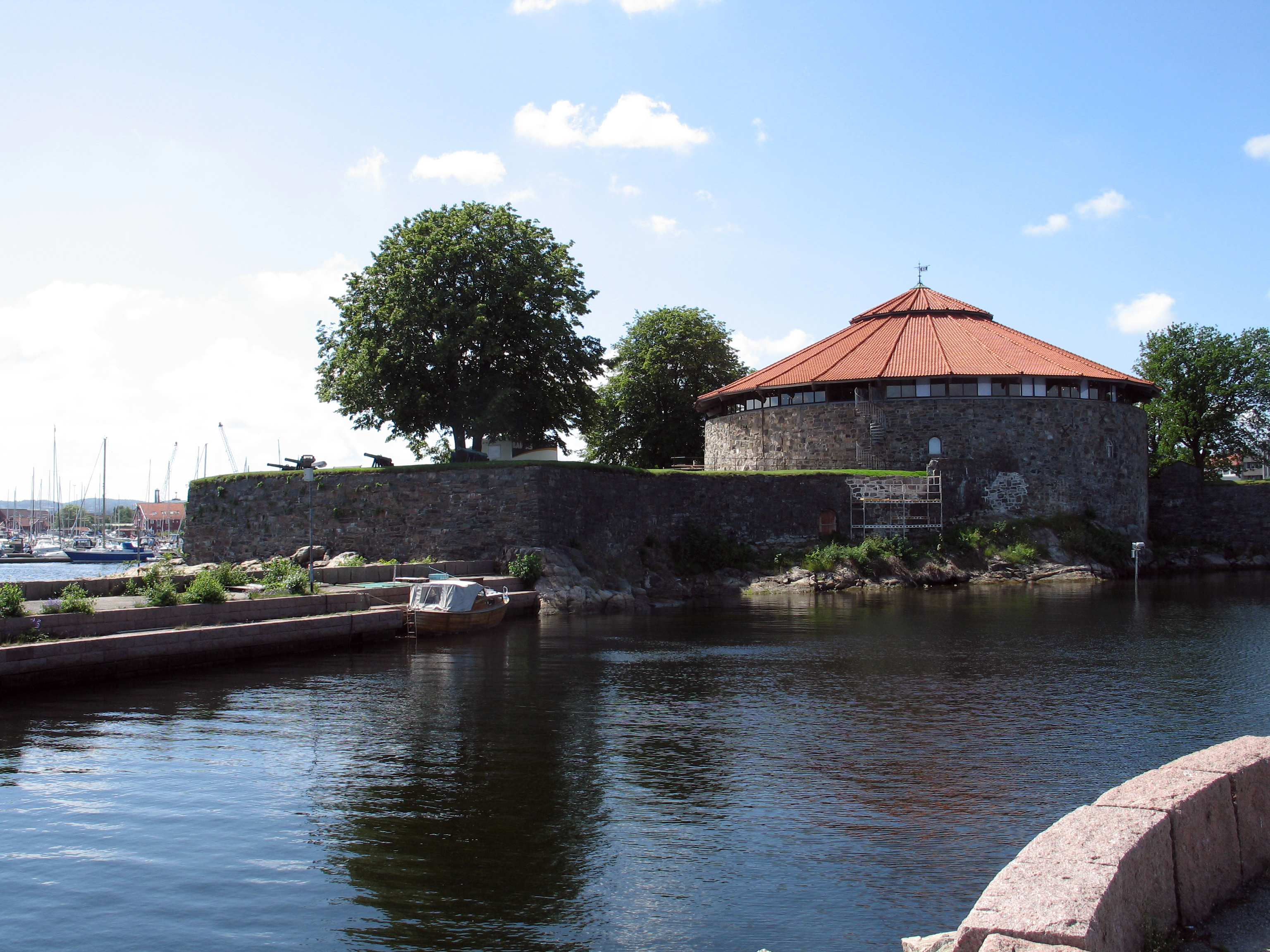
Christiansholm Fortress
On 18 September 1807, a British naval squadron sailed into Kristiansand's harbor and delivered an ultimatum: hand over the warship Prinds Christian Frederik, the last ship of the line in the Royal Dano-Norwegian Navy, or face bombardment. The Kristiansand authorities said no. What followed was the only combat Christiansholm Fortress ever saw -- and the little stone fort on its islet performed exactly as its builders had intended, 135 years earlier.
A King's Plan for Defense
King Christian IV founded Kristiansand in 1641, and from the beginning, the new city needed protection. The fortress that bears a version of his name was completed in 1672, designed by quartermaster general Willem Coucheron and built on a small islet about 100 yards offshore. The location was strategic: any hostile fleet entering the harbor would have to pass within range of the fort's guns. Coucheron's design was compact and functional -- thick stone walls, mounted artillery, and a clear field of fire across the harbor approach. The fortress stood as a sentinel for over a century, its cannons pointed seaward, waiting for a threat that would not materialize until the Napoleonic Wars reshuffled alliances across northern Europe.
The Day the British Came
The crisis arrived in the wake of the Battle of Copenhagen in 1807, when Britain seized the Danish-Norwegian fleet to prevent Napoleon from using it. The 70-gun Prinds Christian Frederik, anchored in Kristiansand's eastern harbor, was the only capital ship to escape capture. Captain Robert Stopford of HMS Spencer led a squadron to claim her, sending a letter ashore that mixed diplomacy with threat. When the Norwegians refused, Stopford's ships moved in -- and Christiansholm opened fire. The bombardment from the fortress was heavy enough to force the British to withdraw from the harbor approach. Frustrated, Stopford's squadron sailed instead to the nearby, disused Fredriksholm Fortress, where they vented their anger by blowing it up. Four British servicemen died in that explosion when they returned too soon to check on the powder barrels' fuses. Christiansholm had done its job.
From Garrison to Gathering Place
By 1872, the fortress was decommissioned by royal decree, part of a nationwide overhaul of Norway's military fortifications. The islet it occupied had by then connected to the mainland through gradual land reclamation, erasing the moat of seawater that once gave the fort its defensive advantage. What remained was a sturdy circular stone structure with thick walls, a courtyard, and the kind of atmospheric weight that comes from centuries of military purpose. Today, Christiansholm sits beside the Kristiansand Boardwalk, owned by the municipality and used for cultural events, art exhibitions, and summer festivals. Cannons still line the ramparts, but they point at pleasure boats and strolling tourists rather than hostile warships.
Two Hundred Years of Quiet
What makes Christiansholm unusual among military fortifications is its record: over 200 years of active service, and exactly one engagement. The fortress was built for war but spent its life in peace, its presence alone sufficient deterrent for most of its history. The single exception -- that tense September morning in 1807 -- proved the investment worthwhile. The guns worked, the walls held, and the British sailed away. That ratio of preparation to action gives the fortress a particular character. It is not a monument to battle but to readiness, a place where the most important thing that happened was the thing that was prevented.
From the Air
Christiansholm Fortress is located at 58.14N, 8.00E on the waterfront in central Kristiansand, southern Norway. The circular stone fortress is visible adjacent to the harbor and Kristiansand Boardwalk. Best viewed below 2,000 feet. Kristiansand Airport Kjevik (ENCN) is approximately 11 km to the northeast. The fortress sits at the eastern end of the harbor, near the Otra river mouth.