Chumbe Island
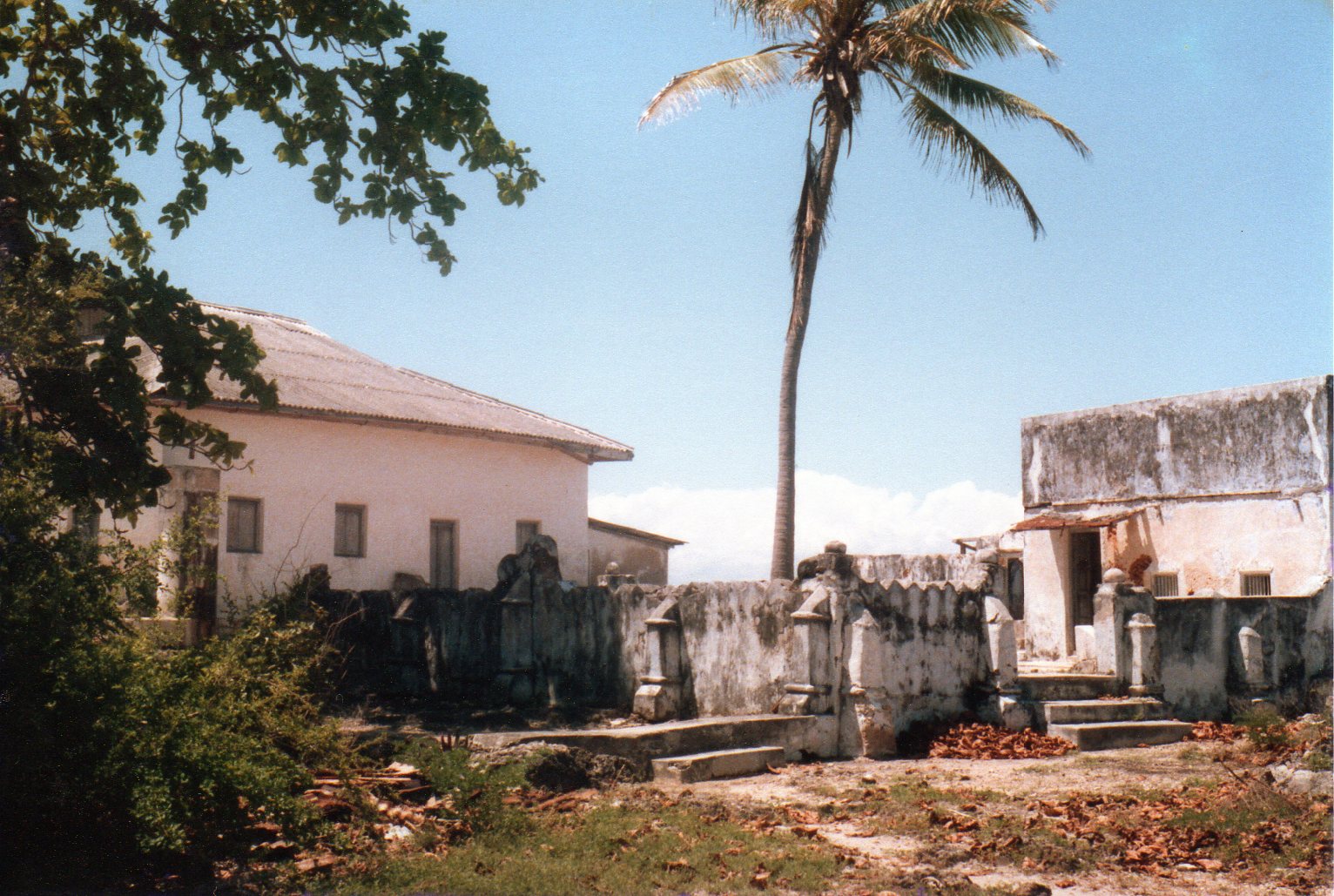
The military saved Chumbe Island's reef without meaning to. For decades, the waters surrounding this small coral island in the Zanzibar Channel fell within a Tanzanian military zone, and that accident of geography kept fishermen, divers, and boats away from a fringing reef that harbored extraordinary life. By the time conservationists arrived in the early 1990s, they found something almost vanished from East African waters: a reef system still intact, still thriving, still sheltering species that overfishing had driven from neighboring coastlines. Chumbe Island -- Kisiwa cha Chumbe in Swahili -- sits about 12 kilometers southwest of Stone Town, a sliver of coral rock and dense forest barely visible from shore. Two structures from the early 20th century stand on the island: a small Swahili mosque and a lighthouse, both quiet witnesses to a century of accidental preservation.
An Unplanned Sanctuary
In 1992, the fringing reef on Chumbe's western side was officially closed to fishing, boating, and diving. Two years later, the Tanzanian government declared the island and its surrounding waters the Chumbe Island Coral Park, establishing both the Chumbe Reef Sanctuary and a Closed Forest Reserve. What made this unusual was the next step: rather than managing the park itself, the government handed management rights to a nonprofit private organization called Chumbe Island Coral Park, Ltd., or CHICOP. It was Tanzania's first marine park, and one of the earliest examples anywhere of a private organization managing a marine protected area. The model was deliberately commercial in method if not in purpose -- ecotourism would fund conservation, research, and environmental education for local schoolchildren. CHICOP's work earned the United Nations Environment Programme Global 500 Roll of Honour in 2000.
The Reef Below
The numbers tell a story of remarkable abundance. At least 90 percent of all hard coral species recorded in Eastern African reefs have been found in the waters near Chumbe Island. Around 400 fish species from 50 different families have been documented here, including the giant grouper, Epinephelus lanceolatus -- a species increasingly rare elsewhere due to overfishing. The reef's health has had consequences beyond the island itself. Because fish breed freely within the sanctuary, populations have begun replenishing the overfished waters nearby, including those off the Zanzibar coast. Marine biologists call this the spillover effect: protect a core area and its abundance radiates outward. Chumbe has become a living laboratory for studying how reef ecosystems recover when human pressure is removed, and what those recovered systems can offer their degraded neighbors.
Zero Impact on the Island
The seven eco-bungalows on Chumbe Island were designed to leave no trace. Rainwater catchment systems supply fresh water. Photovoltaic panels and solar water heaters provide energy. Composting toilets process waste. Vegetative greywater filtration returns used water to the ground without chemicals. The entire operation aims for zero environmental impact -- an ambition that sounds like marketing but here reflects engineering choices embedded in every structure. Visitors sleep in open-walled bungalows surrounded by forest, the Indian Ocean audible from their beds. The eco-lodge supports only a handful of guests at any time, the small scale deliberate. Revenue funds the marine rangers who patrol the reef, the researchers who monitor coral health, and the environmental education programs that bring Zanzibari schoolchildren to understand what their waters contain.
Wings Over the Reef
Chumbe is also sky-bound. The island and adjacent Kombeni and Kiwani bays on Unguja's southwestern coast form a 4,000-hectare Important Bird Area designated by BirdLife International. Roseate terns breed on the island in significant numbers -- an estimated 750 pairs were counted in 1994. Terek sandpipers and crab plovers frequent the surrounding shallows. Onshore, coconut crabs -- those oversized, tree-climbing hermit crab relatives -- are commonly spotted along the forest floor and trails. The dense closed forest that covers much of the island harbors its own ecosystem, distinct from the reef, rarely explored by the few visitors who come primarily for the underwater world. Chumbe's conservation story is usually told through its coral, but the island itself -- forest, birds, crabs, ruins -- is equally part of what military isolation accidentally preserved.
From the Air
Chumbe Island (6.28S, 39.18E) lies in the Zanzibar Channel approximately 12km southwest of Stone Town, Unguja. The island is small and low-lying, visible as a green patch surrounded by the lighter turquoise of shallow reef waters. The nearest airport is Abeid Amani Karume International Airport (HTZA/ZNZ), about 15km to the northeast. Approach from the west offers views of the reef contrasting with deeper channel waters. The Zanzibar Channel separating the island from the Tanzanian mainland is approximately 35km wide at this point. Tropical conditions year-round; best visibility outside monsoon seasons (March-May, November-December).