Churchill: Polar Bear Capital
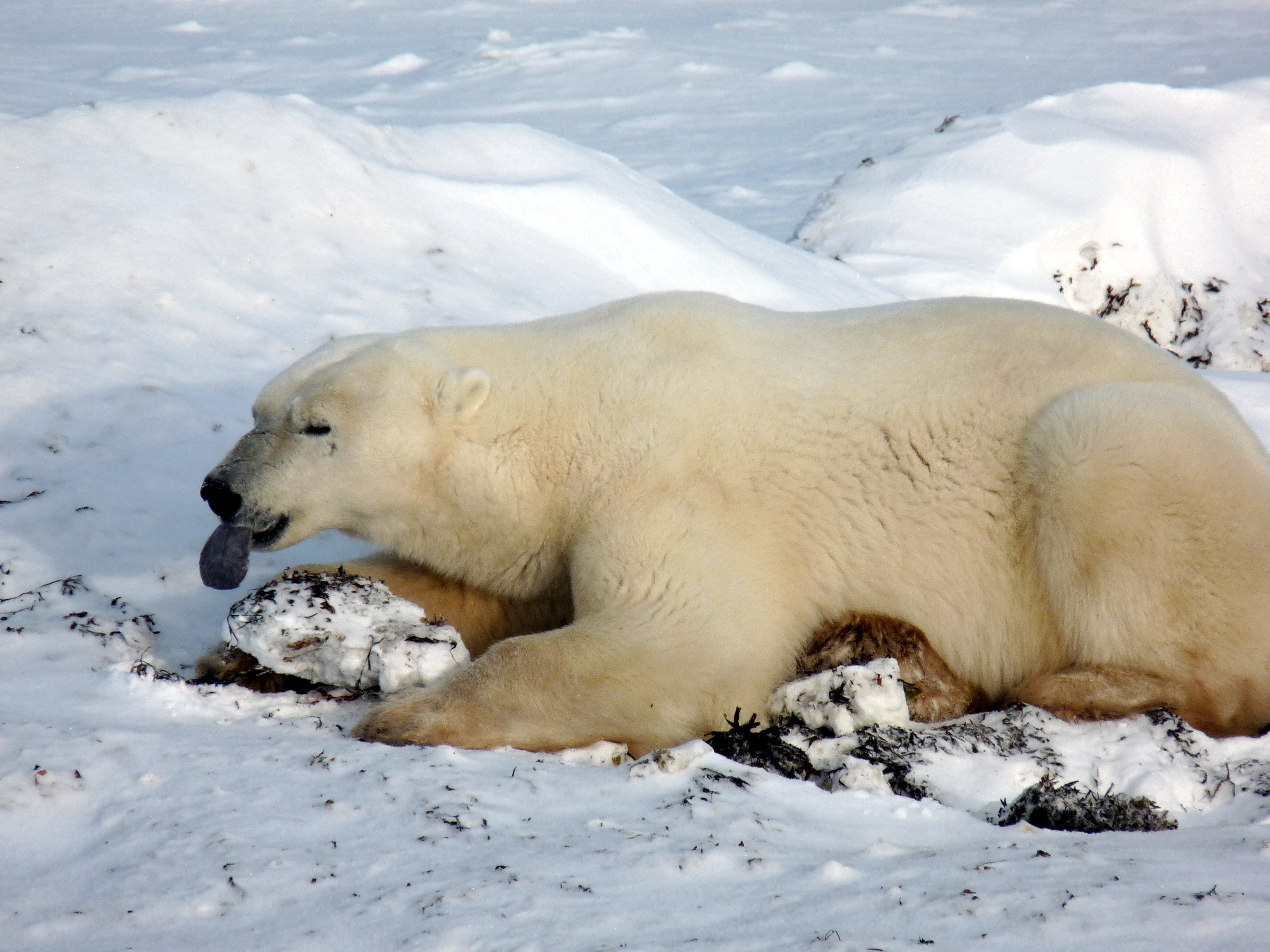
Every autumn in Churchill, Manitoba, hundreds of polar bears gather on the shores of Hudson Bay, waiting for the sea ice to form. They've been fasting since the ice broke up in spring; they're hungry and ready to hunt seals. Until the bay freezes, they wait - and wander through town. Churchill calls itself the 'Polar Bear Capital of the World,' and for good reason: the town of 900 people hosts one of the world's largest concentrations of polar bears. Tourists arrive in specially designed tundra vehicles to observe bears safely. Problem bears that enter town too aggressively are tranquilized and held in the 'polar bear jail' until they can be released onto the ice. It's a strange coexistence - a small Arctic town living among the world's largest land predators.
The Migration
Churchill sits at the southern edge of polar bear range, where the bears have evolved a unique lifestyle. When Hudson Bay ice melts in summer, bears come ashore and enter a state of 'walking hibernation' - conserving energy while waiting for the ice to return. As autumn approaches, they congregate along the western Hudson Bay coast, drawn to Cape Churchill and surrounding areas. The bears fast for 4-5 months; they live on stored fat accumulated from spring seal hunting. When the bay finally freezes (typically mid-November), the bears leave shore immediately, heading onto the ice to hunt. The window when bears and tourists overlap is brief but spectacular.
The Town
Churchill exists for reasons unrelated to polar bears - it's a port on Hudson Bay, once important for grain shipping and military radar installations. The town is remote: no roads connect Churchill to southern Manitoba. Access is by plane, train (a 45-hour journey from Winnipeg), or summer boat. The population is about 900 year-round, swelling during polar bear season with tourists, researchers, and journalists. Halloween is discouraged because bears in town create obvious dangers. Residents know bear safety instinctively; newcomers learn quickly. Cars are left unlocked so pedestrians can take shelter if a bear approaches. The relationship between town and bears is practical rather than sentimental.
The Jail
Churchill operates a 'polar bear jail' - a holding facility for problem bears that become too comfortable in town. Bears are attracted to garbage, pet food, and the interesting smells of human settlement. Conservation officers patrol during bear season, using trucks, helicopters, and warning shots to move bears away from town. Bears that can't be deterred are tranquilized and held in the jail - essentially a large building with cells - without food. When the bay freezes, jailed bears are airlifted 30+ miles onto the ice and released. The hunger and unpleasant experience (supposedly) discourage them from returning to town. The system isn't perfect, but it reduces human-bear conflicts while maintaining the bear population.
The Tourism
Polar bear tourism dominates Churchill's autumn economy. Tour operators run 'tundra buggies' - massive vehicles that bring visitors safely close to bears. The buggies are elevated, white, and designed to minimize disturbance while providing observation platforms. Prime viewing season runs late October through mid-November - the peak of bear concentration before the ice forms. Tours sell out months in advance; accommodations are limited. Visitors also come for northern lights viewing (Churchill is below the auroral oval), beluga whale watching (summer), and bird migrations (spring and fall). The polar bears, however, are the main draw - seeing Earth's largest land carnivores in their element.
Visiting Churchill
Churchill is accessible by air (Calm Air from Winnipeg, Canadian North from regional hubs) or by VIA Rail train from Winnipeg (approximately 45 hours). No roads connect Churchill to southern Manitoba. Polar bear season runs late October through mid-November; tours should be booked months in advance. Tour operators offer multi-day packages including accommodations and tundra buggy excursions. Summer brings beluga whales (June-August) - thousands enter the Churchill River to calve. Independent travel is possible but challenging given limited infrastructure. The town has basic services, a few restaurants, and limited accommodations. Dress for Arctic conditions: temperatures during bear season can reach -30°C with wind chill.
From the Air
Located at 58.77°N, 94.17°W on the western shore of Hudson Bay in northern Manitoba. From altitude, Churchill appears as a small settlement on the bay shore, with the Churchill River entering the bay nearby. Hudson Bay stretches northeast - an enormous inland sea. The tundra surrounds the town, transitioning from boreal forest to true Arctic terrain. The polar bears congregate along the coast, visible as white dots on the gray-brown landscape in autumn. The VIA Rail line is visible approaching from the south. The remote location is apparent - no roads connect to the outside world; this is true wilderness.