Cleveland: The Mistake by the Lake That Refuses to Give Up
The Cuyahoga River caught fire in 1969 - not for the first time, but for the time that mattered. The image of flames on water became a symbol of industrial pollution so severe that even rivers burned. Cleveland, already struggling as manufacturing fled and residents followed, became a national joke: 'The Mistake by the Lake.' Yet Cleveland persists, its institutions surviving decline, its neighborhoods showing signs of revival, its residents maintaining fierce loyalty to a place that the rest of America had written off. The river is cleaner now; the Rock and Roll Hall of Fame draws millions; the comeback is incomplete but real. Cleveland is what happens when a city refuses to accept the verdict.
The Oil
John D. Rockefeller founded Standard Oil in Cleveland in 1870, building the company that would make him the richest American in history. Cleveland's position - on Lake Erie, connected to Eastern markets by canal and rail, close to Pennsylvania's oil fields - made it ideal for refining. Standard Oil dominated the industry through ruthless efficiency and strategic acquisition; the antitrust breakup in 1911 created the companies that became Exxon, Mobil, Chevron, and others. Rockefeller's fortune funded cultural institutions that still define Cleveland: the art museum, the orchestra, the botanical garden. The wealth that Standard Oil extracted elsewhere returned to Cleveland in philanthropy.
The Fire
The Cuyahoga River had caught fire at least 13 times before 1969, but the '69 fire - small, quickly extinguished - became an environmental turning point. Time magazine published the story; Congress passed the Clean Water Act in 1972. Cleveland became the poster child for industrial pollution, its shame motivating national action. The river has since recovered dramatically: fish have returned, kayakers paddle through downtown, the burning river is history rather than present. The fire that humiliated Cleveland helped clean rivers nationwide - an unintentional contribution to environmental protection.
The Rock Hall
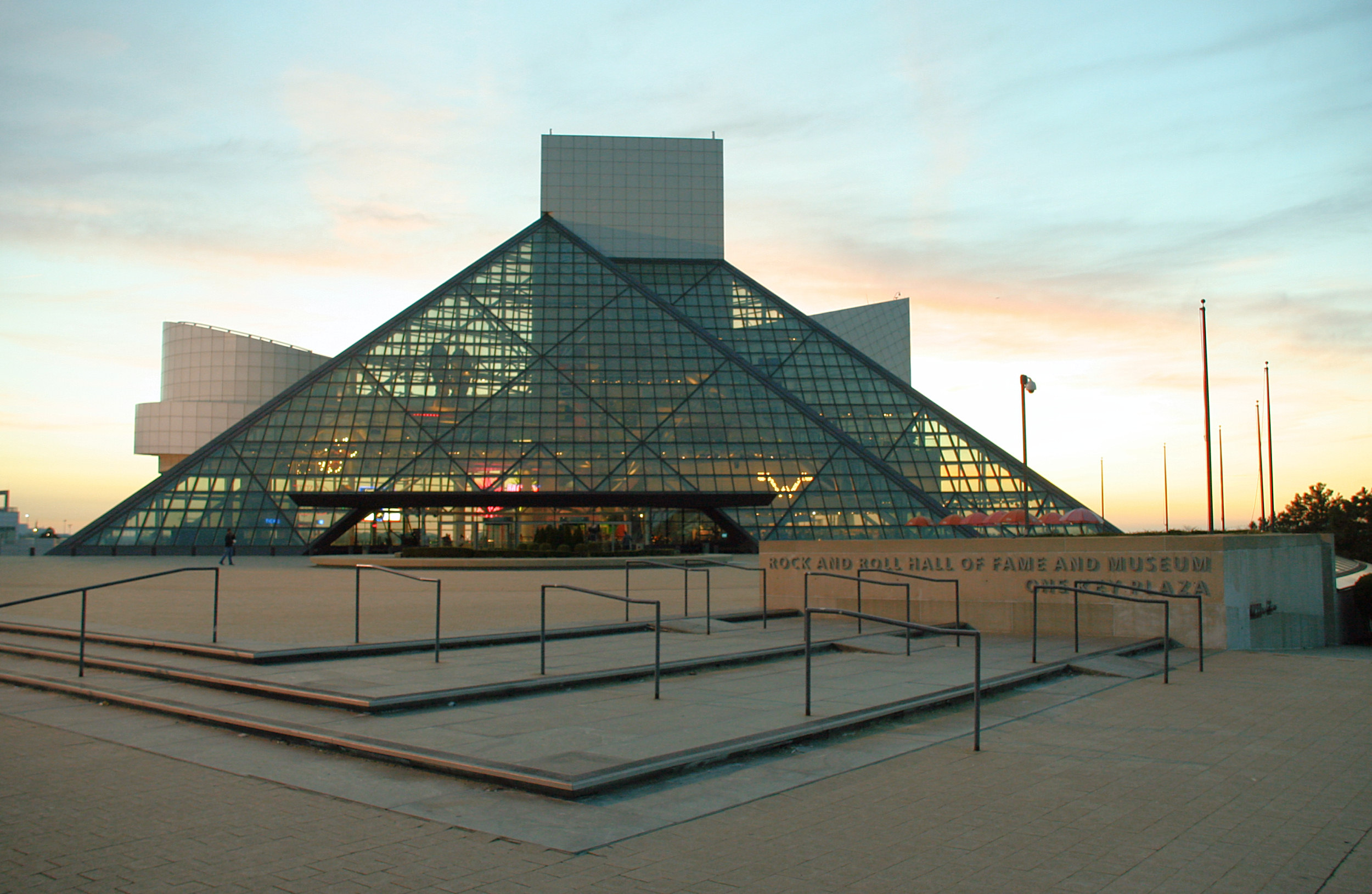
The Rock and Roll Hall of Fame opened in Cleveland in 1995, anchoring the redeveloped lakefront. Cleveland won the institution by arguing that disc jockey Alan Freed coined the term 'rock and roll' here in 1951 and staged the first rock concert at the Cleveland Arena in 1952. The I.M. Pei-designed building draws over 500,000 visitors annually, its exhibits tracing rock's evolution from blues and country to everything that followed. The Hall of Fame's selection process is controversial - the inductees don't always match popular opinion - but the museum provides Cleveland with a cultural identity beyond industrial decline.
The Sports
Cleveland sports fans suffer like few others. The Browns haven't won an NFL championship since 1964 - and were relocated to Baltimore in 1995, breaking a city's heart before returning as an expansion team in 1999. The Indians (now Guardians) haven't won the World Series since 1948, losing painfully in 2016. The Cavaliers ended Cleveland's championship drought in 2016 when LeBron James led them to the NBA title - the city's first major championship in 52 years. The celebration was intense because the waiting had been so long; the identity of long-suffering fans had become Cleveland's identity itself.
Visiting Cleveland
Cleveland is served by Cleveland Hopkins International Airport. The Rock and Roll Hall of Fame anchors the lakefront; allocate several hours. The Cleveland Museum of Art is free and excellent, its collection among the best in America. University Circle concentrates cultural institutions: the natural history museum, botanical garden, Severance Hall (home of the Cleveland Orchestra). Ohio City's West Side Market offers food vendors in a historic hall. The Flats, once industrial wasteland, now hosts restaurants and entertainment along the Cuyahoga. The experience rewards those who arrive without coastal condescension - Cleveland's institutions deserve the visit its reputation doesn't always invite.
From the Air
Located at 41.50°N, 81.69°W on Lake Erie at the mouth of the Cuyahoga River. From altitude, Cleveland appears as lakefront urban development - the downtown skyline visible against the water, the Cuyahoga curving through the industrial flats. The Rock and Roll Hall of Fame is visible on the waterfront as a distinctive triangular structure. The stadium where the Browns play sits near the lake. What appears from altitude as a mid-sized Great Lakes city is the place where Standard Oil began, where the burning river sparked environmental regulation, and where civic pride survives decades of 'Mistake by the Lake' jokes.