Cleveland Elementary School Shooting (San Diego)
The weapon was a .22-caliber rifle. The target was a playground. And the reason, offered hours later to a reporter who somehow reached the sixteen-year-old still barricaded in her house across the street, was this: "I don't like Mondays. This livens up the day." Brenda Spencer fired 36 rounds at Grover Cleveland Elementary School in San Diego on the morning of January 29, 1979, killing principal Burton Wragg as he tried to shield children and custodian Mike Suchar as he tried to help Wragg. Eight children were wounded. A police officer was wounded. Spencer surrendered that afternoon after being promised a Burger King meal. What she said in those few hours between the shooting and her surrender became, in a specific and indelible way, part of the cultural record of American violence.
The Morning of January 29th
Grover Cleveland Elementary School sat across the street from the house where Spencer lived with her father. When students arrived that Monday morning, she opened fire from a window. Principal Burton Wragg went onto the playground when the shooting started — moving toward the children rather than away from the danger — and was hit. Custodian Mike Suchar went to Wragg's aid and was also shot. Both died. Eight children between the ages of six and twelve were wounded; a San Diego police officer responding to the scene was also hit. Spencer fired 36 rounds before barricading herself inside the house. She was sixteen years old.
I Don't Like Mondays
During the standoff, a reporter reached Spencer by telephone. When asked why she had done it, she said she didn't like Mondays — that this livened up the day. The quote made it into news coverage, and from there into the consciousness of Bob Geldof, then lead singer of the Irish rock band the Boomtown Rats. He had been in Atlanta when he heard it on the radio, and he wrote "I Don't Like Mondays" from that single reported line. The song reached number one in the United Kingdom. It has been covered repeatedly in the decades since, entering a cultural space that is simultaneously a pop-music fact and a meditation on violence. Spencer herself was reportedly surprised that it became a hit. The song named after what she said outlasted everything else about the day except the deaths.
Trial and Imprisonment
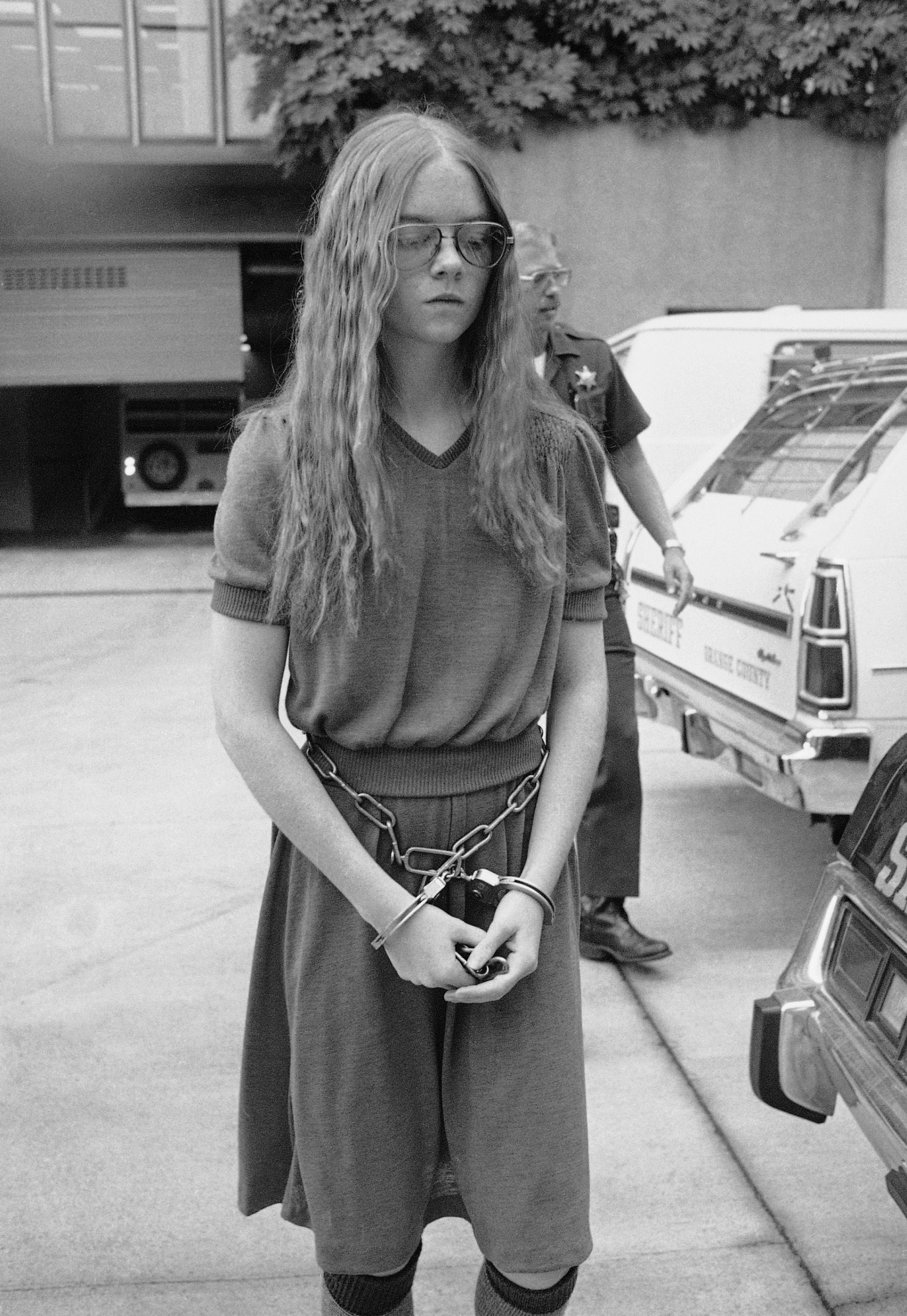
Brenda Spencer was tried as a juvenile but convicted as an adult of two counts of murder and assault with a deadly weapon. She was sentenced to 25 years to life. In the decades since, she has appeared before the California Board of Parole Hearings multiple times and been denied each time. At her 2001 hearing she claimed her father had given her the rifle as a Christmas gift and that he had sexually and physically abused her — claims he denied. At her February 2025 hearing, she was denied parole again. Her next hearing is scheduled for 2028. She remains incarcerated at the California Institution for Women.
The Record It Created
The Cleveland Elementary School shooting is documented as the earliest recorded shooting at a United States elementary school. That distinction carries the particular weight of precedence — not the last, not the most deadly, but the first in a category that would grow over the following decades into something no one wanted to contemplate as a category at all. The school continued to operate. The neighborhood around it — a residential stretch of San Diego — continued to exist as a neighborhood. The facts of the morning were absorbed into the local record and the national one, filed under a kind of violence that, in 1979, still seemed anomalous.
From the Air
Grover Cleveland Elementary School is located at approximately 32.796°N, 117.012°W in the Rolando neighborhood of San Diego, near the intersection of Lake Murray Boulevard and Sixty-Third Street. The surrounding area is residential single-family housing east of College Area. Nearest airports: KSAN (San Diego International) 9 miles west, KMYF (Montgomery-Gibbs Executive) 4 miles north. Best viewed at 1,500–2,000 feet MSL; the school grounds are identifiable as a developed block within the residential grid.