Clifton Heritage National Park
Beneath the clear water off Clifton's rocky shore, a massive sculpture of a young girl kneels on the ocean floor, her arms raised to hold the weight of the sea above her. Ocean Atlas, created by artist Jason deCaires Taylor and installed in 2014, is the largest underwater sculpture in the world. It stands in a coral reef garden alongside other works commemorating the Lucayan people who inhabited this coast nine centuries ago. On the bluff above, the ruins of an eighteenth-century plantation house crumble beside a reconstructed Lucayan village, and somewhere between them lie steps carved by pirates. At Clifton Heritage National Park, the Bahamas stacks its entire history into 208 acres.
Nine Centuries on One Shore
The Lucayans, the indigenous Taino-speaking people of the Bahamas, settled the Clifton site around 1100 AD. Archaeological evidence uncovered during excavations in the 1990s by researchers from the University of California, Berkeley and Louisiana State University revealed that what had initially appeared to be several separate Lucayan sites was actually one large, continuous settlement. The Lucayans considered the area's banana holes, natural sinkholes in the limestone, to be sacred places. Their presence at Clifton predates Columbus's arrival in the Bahamas by nearly four centuries, and the artifacts they left behind offer one of the most complete records of pre-colonial life on New Providence.
From Buccaneers to Bondage
After the Lucayan era, pirates and freebooters used the remote western tip of New Providence as a staging ground, carving stone steps into the bluff that visitors still climb today. By the late eighteenth century, the site had transformed into something darker: a Loyalist plantation. John Wood built the great house in 1788, its architecture echoing the plantation styles of Louisiana and South Carolina, the American colonies from which many Loyalists had fled after the Revolution. As many as 67 enslaved people lived and labored in quarters near the house. Their village has been partially excavated, and the foundations remain visible. Later owned by William Wylly, the plantation operated in the shadow of Nassau's colonial society, far enough from the capital to feel like another world entirely.
Saved from the Bulldozer
In 2000, developers proposed bulldozing Clifton to build a gated community with a golf course. The backlash was immediate and fierce. Local Bahamians and heritage advocates organized opposition that ultimately killed the project. Four years later, the government established Clifton as a protected national park, and in 2009 it opened to the public. The Clifton Heritage Authority, working with the Florida Museum of Natural History, conducted further expeditions in 2006 to map and preserve the Lucayan sites. A reconstructed Lucayan Village was built on the grounds in 2019, giving visitors a tangible sense of how the island's first inhabitants lived.
Art Above and Below
Clifton's most striking feature exists underwater. The Sir Nicholas Nuttall Coral Reef Sculpture Garden, installed in 2014, submerges art in the service of ecology, creating artificial reef structures that attract marine life while honoring Bahamian heritage. Taylor's Ocean Atlas draws snorkelers and divers from around the world. Alongside it sit Virtuoso Man by Willicey Tynes and Lucayan Faces by Andret John. On land, the Sacred Space, also called the Genesis Garden, features wooden sculptures by Bahamian artists Antonius Roberts and Tyrone Ferguson. These carved figures, rising from tree trunks, honor the enslaved people who were brought to Clifton against their will. The park also hosts a storytelling area where live skits dramatize Bahamian history for visitors.
Where the Movies Came
Clifton's coastline has drawn Hollywood as well as historians. The rocky shore known as Turtle Pen, named for the sea turtles that frequent its waters, includes Jaws Beach, a filming location for Jaws: The Revenge, and Flipper Beach, connected to the 1996 film. A submerged prop plane from a James Bond production rests offshore. Johnston Beach gained its own moment of fame as a location for the 2018 season of The Bachelorette. Between the filming spots, songbirds, wading birds, and seabirds populate the coastal scrub, indifferent to the cameras that occasionally invade their territory.
From the Air
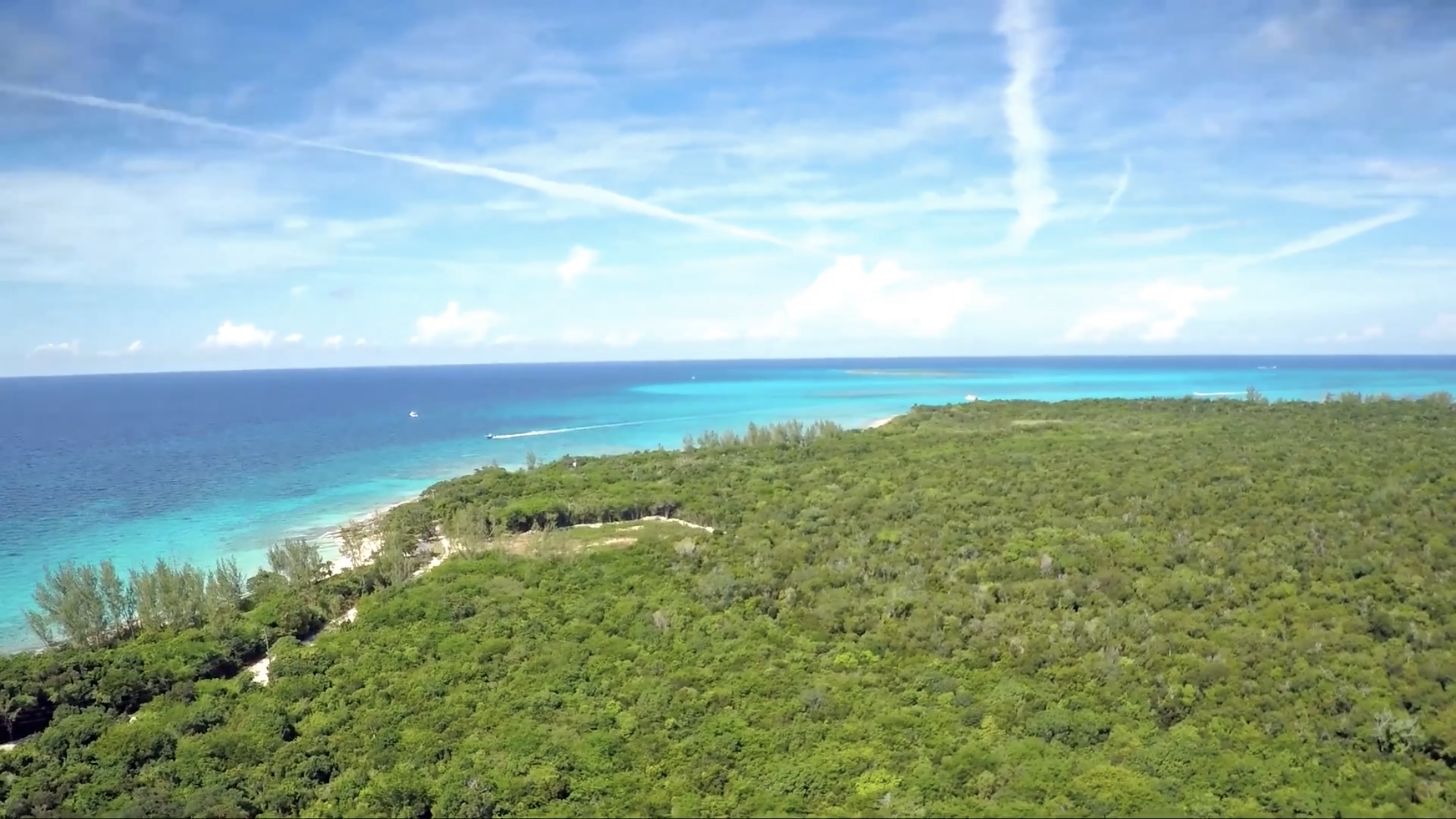
Located at 25.01N, 77.55W on the western tip of New Providence Island, Bahamas. The park's rocky coastline and beaches are visible from low altitude along the island's western shore. Lynden Pindling International Airport (MYNN) lies approximately 8 nautical miles to the east. Approach from the west at 2,000-3,000 feet for the best view of the coastline, reef area, and the contrast between the undeveloped park and surrounding development. The turquoise shallows off Turtle Pen are a distinctive visual marker.