Collier Memorial State Park
The cross-section of the largest Douglas fir ever cut tells a story that spans centuries. When this forest giant first sprouted, Christopher Columbus had not yet been born. By the time loggers finally brought it down, the tree had witnessed the entirety of American history written in its growth rings. This remarkable artifact anchors Collier Memorial State Park, a place where the clang of antique machinery and the whisper of ponderosa pines blend into something unexpected: a celebration of the very industry that once transformed these forests.
Two brothers from Klamath Falls, Alfred and Andrew Collier, created this unlikely monument in 1945. Their gift of land to Oregon came with a singular purpose: honoring their parents, Charles Morse Collier and Janet McCornack Collier, by preserving the tools and techniques of the logging trade that built the Pacific Northwest.
Iron Giants of the Forest
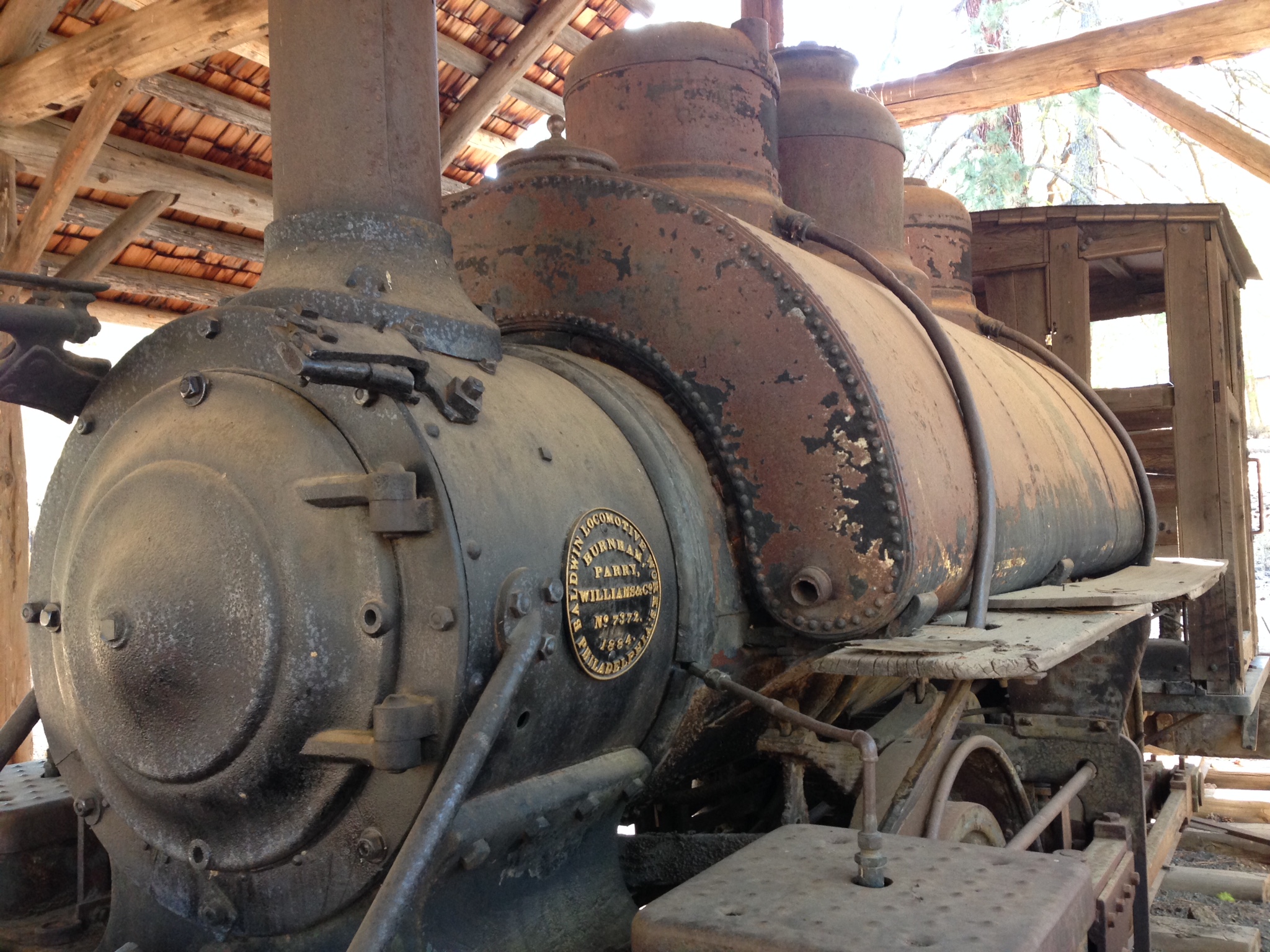
Walking through Collier's outdoor logging museum feels like entering a mechanical graveyard where the titans of timber still stand sentinel. Steam donkeys with their massive drums of cable, logging trucks that hauled old-growth monarchs down mountain roads, and the band saw from Edward Hines lumber mill that turned trees into lumber from 1930 until 1980. Alfred Collier spent over four decades adding to this collection until his death in 1988, amassing what became one of the largest assemblages of logging equipment anywhere in the world. The progression of technology unfolds like a timeline: hand axes give way to crosscut saws, oxen teams yield to steam engines, and finally diesel tractors rumble into view. Each machine tells of backbreaking labor and engineering ingenuity in equal measure.
Railroads Through the Pines
The logging railroads that once snaked through Oregon's forests left few traces in the landscape, their narrow-gauge tracks pulled up and repurposed long ago. At Collier, however, the railroad legacy lives on in restored equipment and detailed exhibits that reveal how rail transport revolutionized the timber industry. Before locomotives arrived, loggers could only harvest trees within dragging distance of rivers. The railroads unlocked the vast interior forests, making it possible to extract timber from terrain that would have been impossible to reach by water or wagon. The museum preserves this chapter of industrial history, displaying the rolling stock and infrastructure that moved millions of board feet from stump to mill.
Pioneer Voices
Beyond the machinery stands a different kind of exhibit: twelve authentic pioneer homestead buildings relocated to the museum grounds. These weathered structures offer glimpses into how Oregon families lived before electricity, automobiles, or modern medicine. The construction techniques visible in their walls document the practical ingenuity of nineteenth-century settlers who built homes from what the land provided. A replica 1920s logging camp cookhouse, completed in 2013, now serves as the visitor center. Inside, exhibits include a chainsaw collection spanning decades of design evolution and documentation of the Two Four Two fire that burned over 400 acres of the park in 2020, a reminder that these forests remain dynamic landscapes shaped by both human industry and natural forces.
River and Trail
The Williamson River flows through Collier Memorial, its waters home to redband trout that draw anglers from across the region. Ponderosa and lodgepole pine shade 50 RV sites and 18 tent camping spots, while four horse corrals accommodate riders exploring the trail that connects Collier to Jackson F. Kimball State Recreation Site. The park's season runs April through October, when warm days and cool nights make the high-desert forest particularly inviting. Winter brings significant snowfall to this stretch of the Cascades, closing the campground but blanketing the logging equipment in snow that softens their industrial edges into something almost sculptural.
From the Air
Located at 42.64N, 121.88W along the Highway 97 corridor in southern Oregon. The park sits approximately 30 miles north of Klamath Falls (KLMT) and 100 miles south of Bend. From the air, look for the clearing along the Williamson River with the distinctive collection of large equipment visible in the museum area. Best viewed at 3,000-5,000 feet AGL. Crater Lake National Park lies to the northwest. The area experiences cold winters with significant snowfall; summer months offer the clearest conditions for aerial observation.