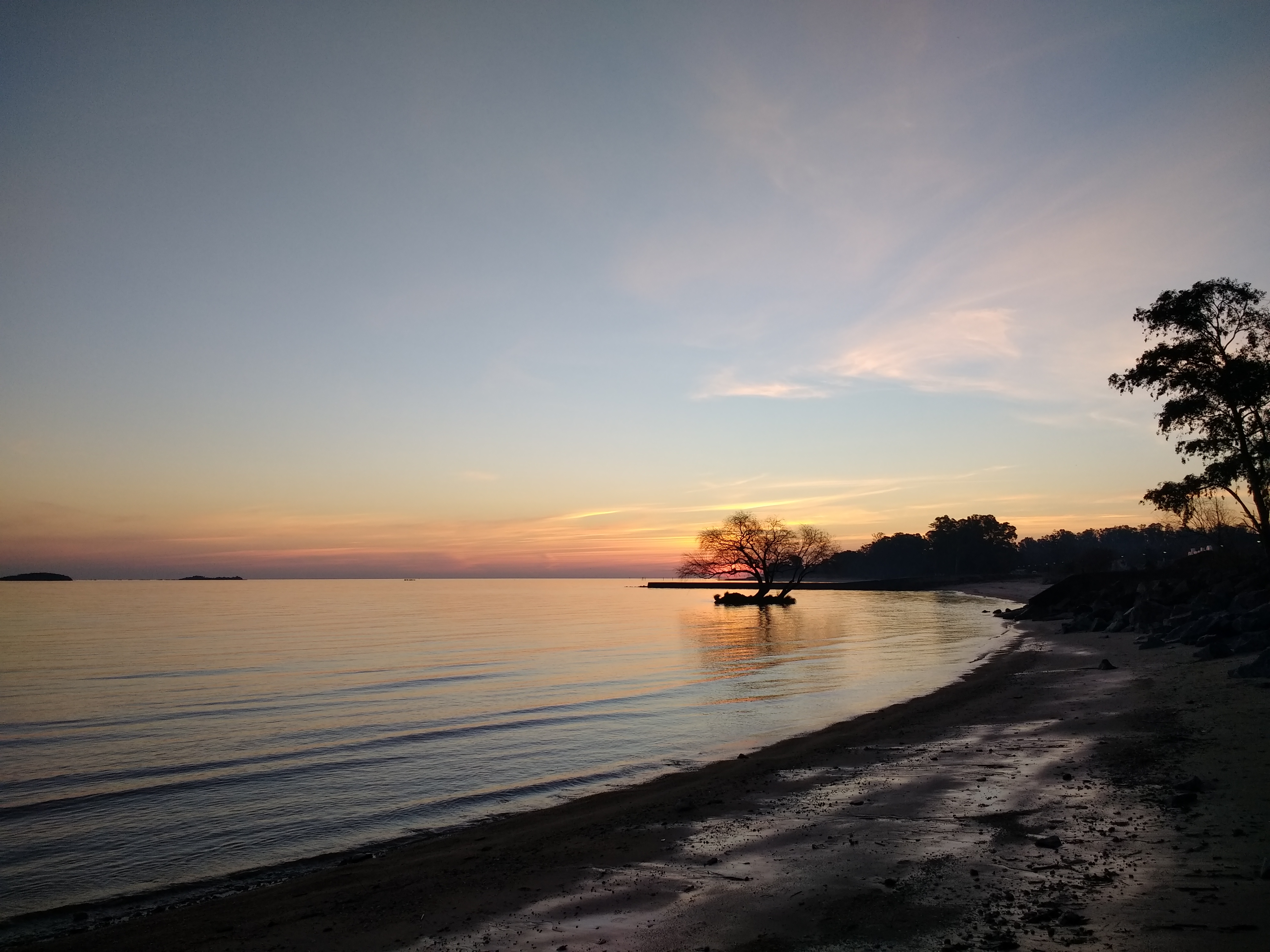
Colonia del Sacramento
Vintage automobiles from the 1930s sit parked on cobblestone streets as if their owners had stepped inside for a moment and simply never returned. In Colonia del Sacramento, time moves differently. Founded in 1680 by Portuguese colonizers in territory hotly contested by Spain, this small Uruguayan city on the Rio de la Plata's northern shore changed hands so many times that its historic center became a palimpsest of colonial influences. Today, that beguiling jumble of Portuguese, Spanish, and early Uruguayan architecture has earned UNESCO World Heritage status, drawing weekend visitors from Buenos Aires just across the water. They come for the cobbled lanes, the old-world atmosphere, and sunsets so famously beautiful that evening strolls along the waterfront have become ritual. By night, the glow of Buenos Aires lights the horizon, a reminder that one of South America's great metropolises lies barely an hour away by ferry.
A Peninsula Caught Between Empires
When Portuguese captain Manuel Lobo founded Nova Colonia do Santissimo Sacramento in 1680, he positioned it strategically between Portuguese Brazil and the Spanish Viceroyalty of the River Plate. The location proved too valuable to remain in peaceful hands. Over the following century, sovereignty shifted repeatedly between Spain and Portugal, with the town briefly becoming part of Brazil before Uruguayan independence finally settled the question. The old fort, now in ruins, played crucial roles in conflicts with both Argentina and Brazil. Today, 25,000 inhabitants call Colonia home, but the population swells on weekends when couples seeking romantic getaways and day-trippers from Buenos Aires flood the historic district.
Walking the World Heritage Streets
Colonia's barrio historico occupies a small peninsula pointing west toward Buenos Aires. Almost every streetscape merits a photograph, but certain spots have achieved particular fame. The lighthouse rises above the ruins of a Franciscan convent, offering views across terra-cotta rooftops to the river beyond. Eight small museums can be visited with a single ticket from the Museo Municipal, though none opens every day, a quirk requiring overnight stays for completists. Photography is banned inside, but the historic houses, Portuguese-era artifacts, and colonial-period maps reward unhurried exploration. The old city gate, complete with drawbridge, marks the boundary where tourism gives way to everyday Uruguayan life.
Sunset Rituals and Buenos Aires Glow
As afternoon shadows lengthen, visitors gravitate toward the rambla, the beachfront path stretching northwest along the Rio de la Plata for some four kilometers. The sunsets here have earned near-legendary status, painting the river in shades that shift from gold to crimson to violet. Once darkness falls, a different spectacle emerges: the distant glow of Buenos Aires, visible across 50 kilometers of water, marking where another world begins. Moonsets over the river prove equally spectacular for those who stay late enough. The Plaza de Toros, an old bullfighting ring now silent, lies about four kilometers northwest of downtown, reachable by local bus or taxi for those seeking attractions beyond the compact historic core.
Crossing the River Plate
Colonia occupies a unique position in the travel geography of the Southern Cone. Fast ferries connect it to Buenos Aires in roughly an hour, making it a popular destination for visa runs, day trips, and weekend escapes from the Argentine capital. The ferry terminal sits just a kilometer from the old town, adjacent to the bus station offering connections to Montevideo, Uruguay's capital, some two and a half to three hours east. Restaurants in the historic center cater to the weekend tourist crowd with Italian standards and Uruguayan specialties like chivitos, though prices here run higher than elsewhere in the country. Cash is king in many establishments, and those accepting credit cards often add surcharges, a gentle reminder that this riverside jewel operates on its own unhurried terms.
From the Air
Coordinates: 34.47S, 57.84W. Elevation approximately 27 meters (89 feet) above sea level. No commercial airport in town; nearest is Carrasco International Airport (MVD/SUMU) in Montevideo, approximately 180 km east. A small general aviation airstrip (CYR/SUDC) lies 17 km east but commercial services have ceased. The historic peninsula is visible from altitude, with the lighthouse serving as a useful landmark. Buenos Aires is clearly visible across the Rio de la Plata on clear days. Ferry routes cross the estuary multiple times daily.