Columbus: The Test Market Where America Tries Things First
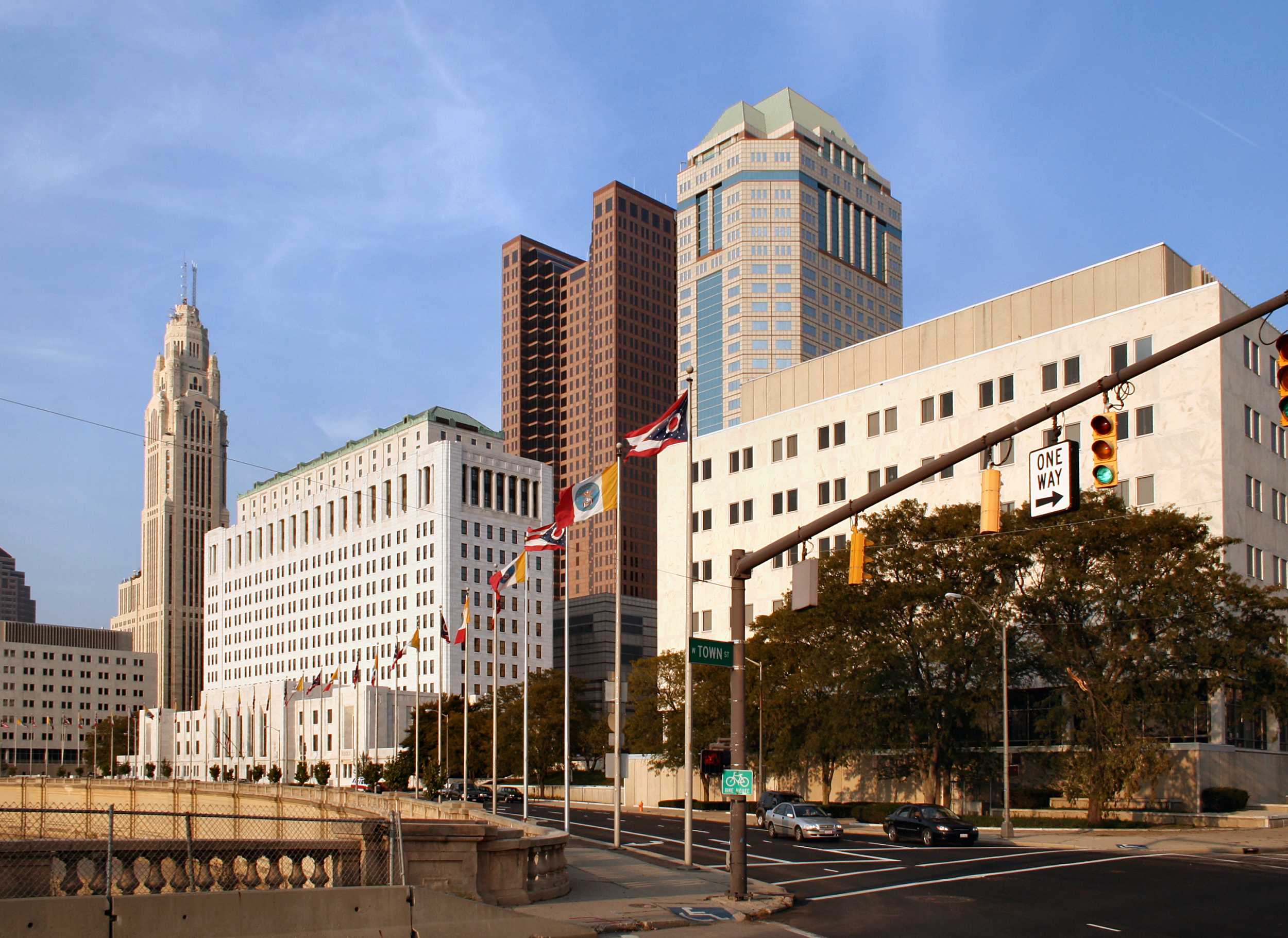
Columbus is the city marketers use to predict America. The demographics are average enough - not too rich, not too poor, not too coastal, not too rural - that what sells here supposedly sells everywhere. Wendy's tested its square hamburgers here. Kroger tests store formats here. Political campaigns test messages here. The city embraces the role, calling itself 'Test Market USA,' finding identity in being representative rather than exceptional. But Columbus has grown beyond its guinea pig status into Ohio's largest city and the 14th largest in America, powered by state government, Ohio State University, and the insurance and finance industries that clustered here. The test market became a destination.
The Test Market
Columbus became America's favorite test market through demographic coincidence - the city's population mirrors the nation's in age, income, race, and education closely enough that marketers trust it. White Castle, Wendy's, Max & Erma's, and Donatos all started here. New products from national chains debut here before wider rollout. The city cooperates enthusiastically: 'What happens in Columbus happens everywhere' became an unofficial slogan. The accuracy is debatable - Columbus skews younger and more educated than average - but the reputation persists. Being typical became Columbus's brand, the extraordinary achievement of perfect ordinariness.
Ohio State
The Ohio State University - Buckeyes insist on 'The' - enrolls 60,000 students, making it one of America's largest universities. The campus dominates the north side of Columbus; the football team dominates fall weekends. The Horseshoe stadium holds 102,000; game days transform the city. The rivalry with Michigan is the most intense in college football, the game always played the weekend before Thanksgiving, grudges nursed for generations. Ohio State provides research dollars, startup culture, and the young workforce that attracts employers. The university that was supposed to serve Ohio became the institution that defines Columbus.
The Arena District
The Arena District rose from industrial decay in the late 1990s, anchored by Nationwide Arena for hockey. The development became a model for urban revival: apartments, restaurants, clubs replacing warehouses and factories, young professionals returning to the urban core their parents fled. The Short North arts district followed, then the Brewery District, then the German Village restoration. Columbus proved that Midwestern cities could revive their downtowns, that Ohio's young people didn't all have to leave. The Arena District success became the argument for similar developments across the region.
The German Village
German immigrants built German Village in the mid-1800s - brick houses, beer gardens, and the culture they brought from Europe. Anti-German sentiment during World War I prompted the neighborhood's decline; residents changed their names and denied their heritage. By 1960, German Village was a slum scheduled for demolition. Frank Fetch led the preservation effort, buying and restoring houses, convincing the city to create a historic district. German Village became one of America's largest privately funded historic preservation efforts, the brick houses now worth millions, the Oktoberfest Zinzinnati the region's largest annual event. What almost died became Columbus's most desirable neighborhood.
Visiting Columbus
Columbus is served by John Glenn Columbus International Airport (CMH). German Village offers brick-street charm and restaurants. The Short North Arts District provides galleries and nightlife. Ohio State's campus rewards exploration; the Wexner Center for the Arts features avant-garde programming. The Columbus Zoo is among the nation's best, made famous by Jack Hanna. The North Market is the city's public market since 1876. The food scene has grown; Columbus now claims more independent restaurants than chain outlets. The weather is Midwestern: cold winters, hot summers, the seasons distinct. State government business keeps the city's economy stable.
From the Air
Located at 39.96°N, 83.00°W in central Ohio. From altitude, Columbus appears as urban development centered on the downtown cluster of towers, Ohio State's campus visible to the north as a dense institutional zone. The city spreads outward in typical Midwestern suburban pattern. What appears from altitude as Ohio's largest city is America's test market - where corporations launch products before risking them nationally, where Ohio State dominates fall weekends, and where being average became a competitive advantage.