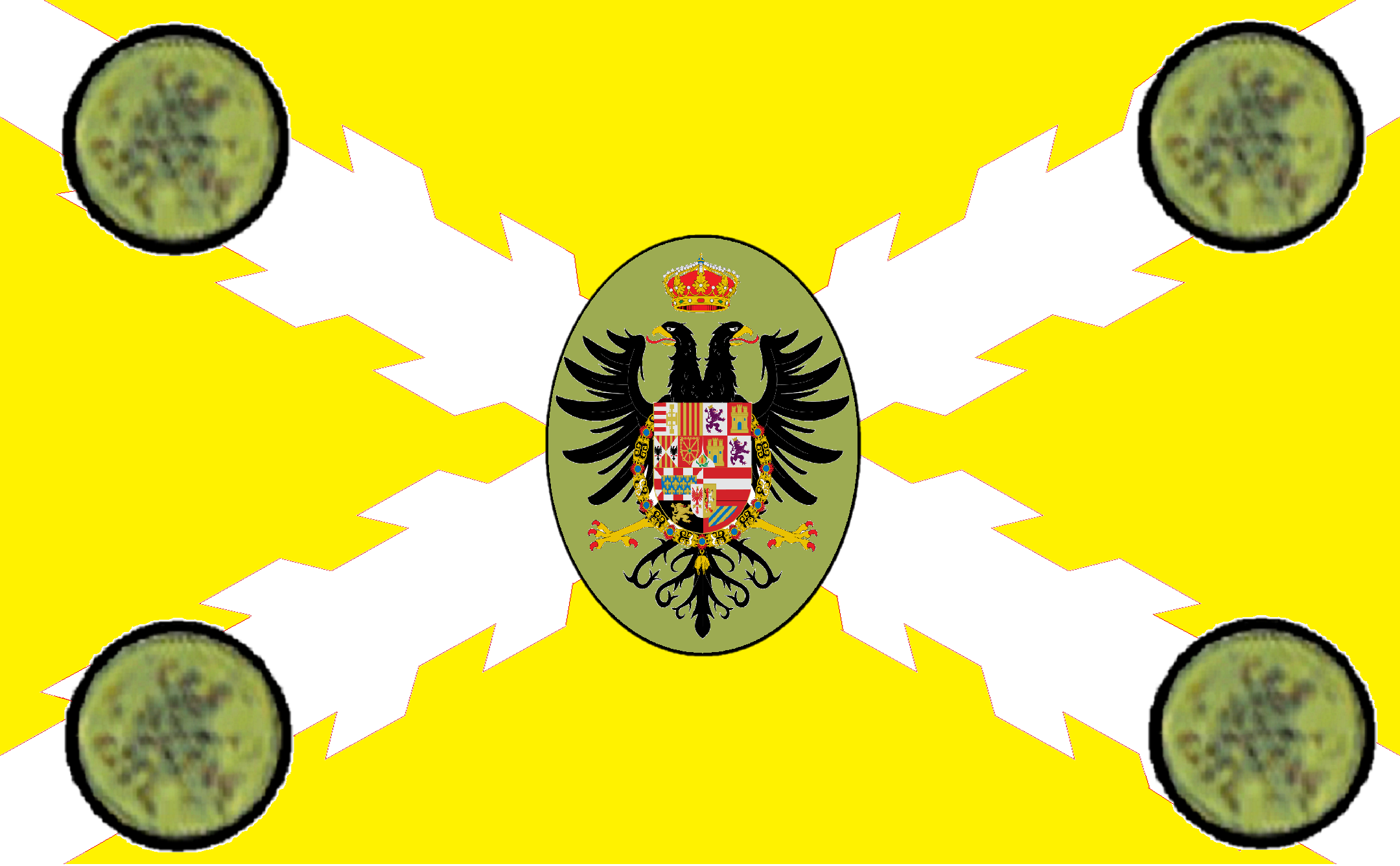
Comayagua
The clock in the cathedral has been ticking since the twelfth century. Built by Arab craftsmen during their occupation of Spain around the year 1100, it was shipped to the Americas by order of King Felipe III and installed in the Immaculate Conception Cathedral of Comayagua, where it has kept time ever since. It is the oldest functioning clock in the Americas, and it sits in a city that was already old when the clock arrived. Comayagua, founded in 1537, served as the capital of Honduras for more than three centuries before losing that title to Tegucigalpa in 1880. Hondurans call it "La Antanona," the old one, and the name fits. Its historic center is the most restored and preserved in the country.
Abundant Land of Water
The Lenca people were here first. Archaeological remains at Yarumela show human settlement in the Comayagua Valley dating to approximately 1,000 B.C. The Lenca, a Mesoamerican culture that still survives in Honduras, built organized societies in the flat valley, controlling trade routes that connected the Caribbean Sea to the Pacific Ocean. When Spanish conquistadors arrived, they found a prosperous valley of Lencan towns with developed social hierarchies. The name Comayagua itself comes from the Lenca language: koma, meaning a huge amount of land, combined with jawa, meaning water. The Spaniards called the place Valladolid, but the indigenous name endured. Captain Alonso de Caceres founded the city in 1537, following orders to establish a settlement "in the middle of the two oceans." Its original name was Santa Maria de la Concepcion de Comayagua, and from its earliest years, it was the seat of colonial power in Honduras.
Capital of Rivalries
For most of its history, Comayagua's identity has been shaped by competition with Tegucigalpa. Both cities wanted to be the capital, and the fight lasted centuries. In 1788, Comayagua became an intendancy that politically absorbed Tegucigalpa, sparking resentment that never fully healed. Tegucigalpa's residents complained that Comayagua's administrators ignored their mining economy and taxed their agricultural products for Comayagua's benefit. After independence from Spain in 1821, the rivalry intensified. Comayagua favored annexation to Mexico; Tegucigalpa opposed it. In 1827, federal troops besieged and burned Comayagua, looting the city and imprisoning Honduras's first head of state, Dionisio de Herrera. The capital nearly moved to Tegucigalpa in 1849 when President Juan Lindo issued a transfer decree, but legal inconsistencies kept it in Comayagua. Finally, on October 30, 1880, President Marco Aurelio Soto, himself from Tegucigalpa, packed up the government and moved it to his hometown. Comayagua's population, commerce, and importance shrank almost overnight.
Stone, Bell, and Sawdust
What remained was the architecture. Comayagua's historic center contains some of Central America's oldest surviving structures, layered across nearly five centuries. La Merced church dates to 1550; San Francisco to 1560. The Immaculate Conception Cathedral, begun in 1634 and completed in 1715, holds not only the famous Moorish clock but also a baroque altarpiece made in Jaen, Spain, considered one of the finest in Honduras. The Plaza de San Francisco houses the Antonina Bell, cast in Alcala de Henares, Spain, in 1460, making it the oldest bell in the Americas. The Caxa Real, built between 1739 and 1741, once stored gold, silver, and tribute bound for the Spanish crown. Every Holy Week, Comayagua transforms. Residents create alfombras de aserrin, elaborate colored carpets made from sawdust, depicting scenes from the life of Christ. The tradition mirrors Holy Week celebrations in Andalusia and has been practiced here since the sixteenth century. Masked dancers perform el baile de los diablitos, a fusion of indigenous and Catholic ritual dating to the seventeenth century.
The Old One, Looking Forward
Comayagua's population has grown to an estimated 120,500, quadrupling between 1945 and 1975 and continuing to expand. The city sits in a broad valley surrounded by mountains, with a tropical savanna climate and a flat topography that has always made it a natural crossroads. Soto Cano Air Base, the Honduran military installation that houses Joint Task Force Bravo and approximately 1,200 to 1,500 U.S. military personnel, is located just south of the city. The adjacent Comayagua International Airport, developed after years of political turbulence over plans to replace Tegucigalpa's challenging Toncontin airport, positions Comayagua as a modern transportation hub. The irony is rich: the city that lost its capital status in 1880 may yet become Honduras's primary gateway for international air travel. But Comayagua's real draw remains what it has always been. Walk its narrow colonial streets, past churches that predate the Pilgrims at Plymouth Rock, and you are walking through the oldest continuously inhabited European settlement in Honduras.
From the Air
Located at 14.45N, 87.64W in the broad Comayagua Valley of central Honduras, approximately 50 miles northwest of Tegucigalpa along the highway to San Pedro Sula. The city is visible as an urban center in the valley floor at roughly 1,900 feet MSL, surrounded by mountains reaching 5,000-7,000 feet. Soto Cano Air Base (ICAO: MHSC) lies just south of the city, and the new Comayagua International Airport (ICAO: MHPR) is adjacent. Toncontin International Airport (MHTG) in Tegucigalpa is about 50 miles southeast. Best viewed from 3,000-5,000 feet AGL. The colonial center with its church towers is distinguishable from moderate altitude.