Cook Islands
The Cook Islands offer what Hawaii must have been before Waikiki rose from the swamps: genuine Polynesian culture, spectacular lagoons, and reef systems teeming with life, all without the high-rise hotels and package tourism that transformed larger Pacific destinations. These fifteen islands, scattered across an expanse of ocean larger than Western Europe, exist in free association with New Zealand - islanders carry New Zealand passports and use New Zealand currency, but govern themselves and control their own immigration. That unusual status helps explain why the Cook Islands remain relatively undiscovered: reaching them requires effort, and arriving requires proof that you have somewhere to stay and the means to leave. Those who make the journey find islands that remind elderly visitors of Hawaii fifty years ago, before development changed everything. The greeting here is 'kia orana' - may you live long - and the islands themselves seem to exist on a timeline that makes that blessing feel possible.
Two Island Groups
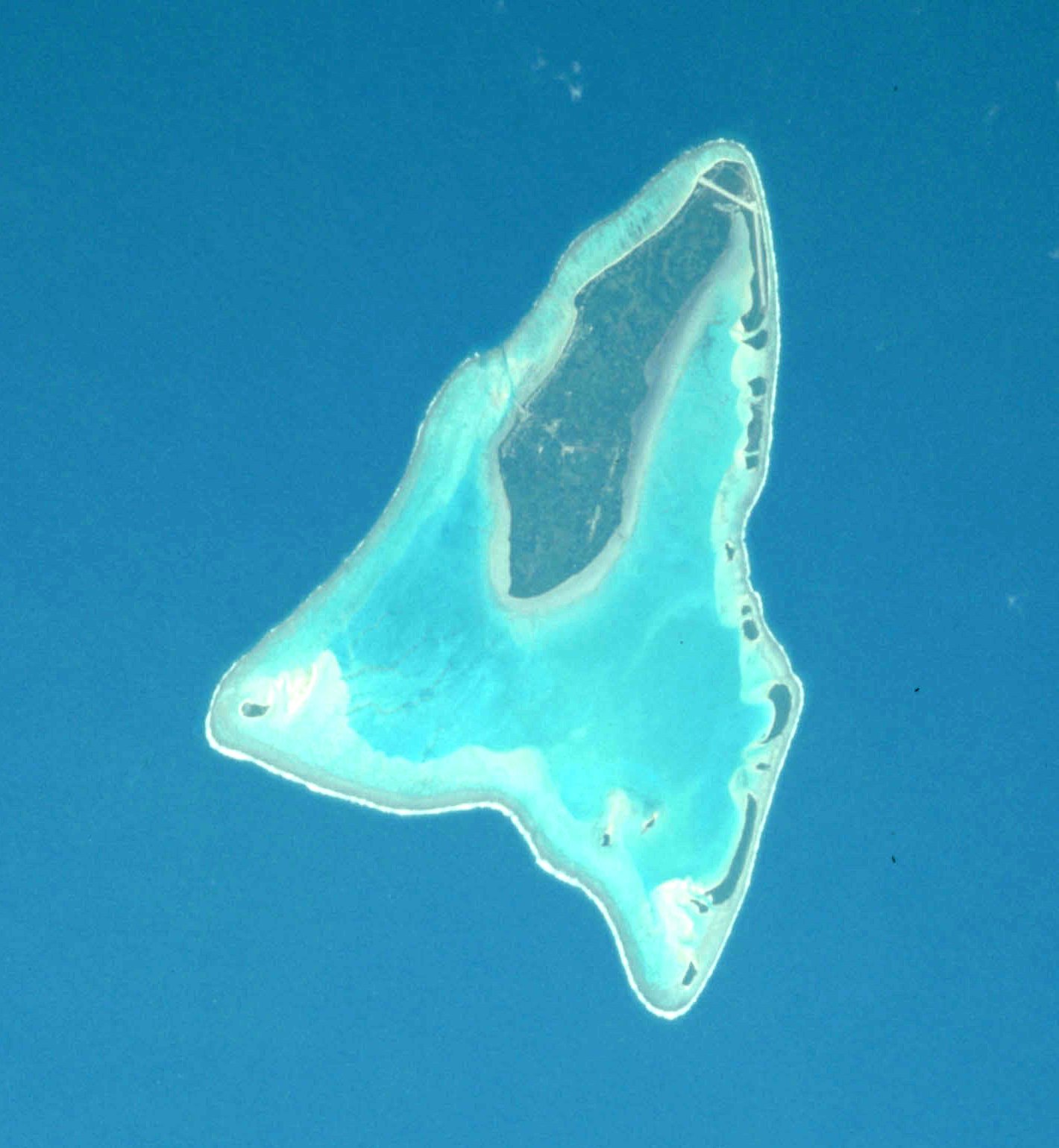
The Cook Islands divide into two distinct groups: the Southern Cooks, featuring elevated volcanic islands where most of the population lives, and the Northern Cooks, a scattered string of low coral atolls that few tourists ever reach. Rarotonga dominates tourism as the main gateway and the location of the only international airport. This rugged volcanic island rises to 658 meters at Te Manga peak, its interior a jungle-draped wilderness while resorts and guesthouses line the coastal road. Aitutaki, a short flight north, possesses arguably the South Pacific's most beautiful lagoon - a vast triangle of water encompassing sand bars, coral formations, and twenty-one uninhabited islets. Beyond these two main destinations, the outer islands require FIGAS flights on small planes that land on dirt strips cleared of livestock before touchdown.
Aitutaki's Lagoon
If Rarotonga provides the Cook Islands experience, Aitutaki transcends it. The lagoon here deserves every superlative attached to it: water colors shifting from emerald to azure to impossible turquoise, visibility to depths that reveal fish swimming meters below, sand bars where you can wade across the shallows to uninhabited motus. Maina Motu offers the iconic experience - white sand emerging from water so clear the bottom shows even where you can't stand. Lagoon cruises visit multiple motus, providing snorkeling, barbecue lunches, and more photo opportunities than any memory card can hold. The main island itself remains quieter than Rarotonga, its population of about two thousand spread among villages where church attendance on Sunday remains nearly universal.
Island Culture
Polynesian culture here runs deeper than the flower garlands presented at the airport. Cook Islanders maintain traditions that stretch back a thousand years to the original settlement voyages from Tahiti, and the church culture introduced by 19th-century missionaries has been absorbed into, rather than replacing, island identity. Sunday remains sacred - most businesses close, and the sound of hymn singing emerges from churches across every island. Traditional dance performances at resorts offer tourist-friendly versions of genuine cultural practices, but the Island Night shows are also where locals come for entertainment. Food traditions center on the umu - earth ovens where meals cook slowly beneath hot stones - and dishes like ika mata, raw fish marinated in coconut milk and lime. More Cook Islanders now live in New Zealand and Australia than in the Cook Islands themselves; many of those remaining have spent years abroad before returning home.
Marine Paradise
The waters surrounding the Cook Islands support some of the South Pacific's richest marine ecosystems. The barrier reef around Rarotonga creates a protected lagoon perfect for snorkeling, with dozens of sites accessible directly from shore. Outside the reef, divers encounter reef sharks, eagle rays, sea turtles, and the occasional hammerhead in visibility that often exceeds thirty meters. Muri Beach on Rarotonga's southeast coast offers the classic lagoon experience: shallow warm water over sand dotted with sea cucumbers and scattered coral heads. Whale watching season runs July through October, when humpbacks pass through on their annual migration. The Cook Islands have designated their exclusive economic zone - one of the world's largest marine protected areas - restricting commercial fishing to help preserve what remains increasingly rare elsewhere.
Visiting the Islands
Reaching the Cook Islands requires routing through Auckland, Sydney, Papeete, or occasionally Honolulu - there are no direct flights from Europe or mainland Asia. Rarotonga International Airport is the sole international gateway, and Air Rarotonga's small planes connect to the outer islands on schedules that get announced each evening via local radio. Visitor permits grant 31 days upon arrival; extensions require application to the immigration office. Accommodation must be pre-arranged - there's no camping and limited tolerance for backpacker spontaneity. The New Zealand dollar serves as currency, though the Cook Islands mint their own coins including a distinctive triangular two-dollar piece. Credit cards work in Rarotonga and Aitutaki; cash is essential for the outer islands. The pace of life here moves on island time, which means patience is not optional but built into the experience. Kia orana - may you live long enough to appreciate why that pace exists.
From the Air
Located at 21.23°S, 159.78°W in the South Pacific, approximately 3,000km northeast of New Zealand. The archipelago appears from altitude as scattered islands across vast ocean. Rarotonga, the main island, is visible as a circular volcanic island with a mountainous interior and fringing reef. Aitutaki shows as a triangular lagoon with numerous small motus. Rarotonga International Airport (RAR) is the sole international gateway. The islands span the same longitude as Hawaii but are in the Southern Hemisphere.