Cosquer Cave
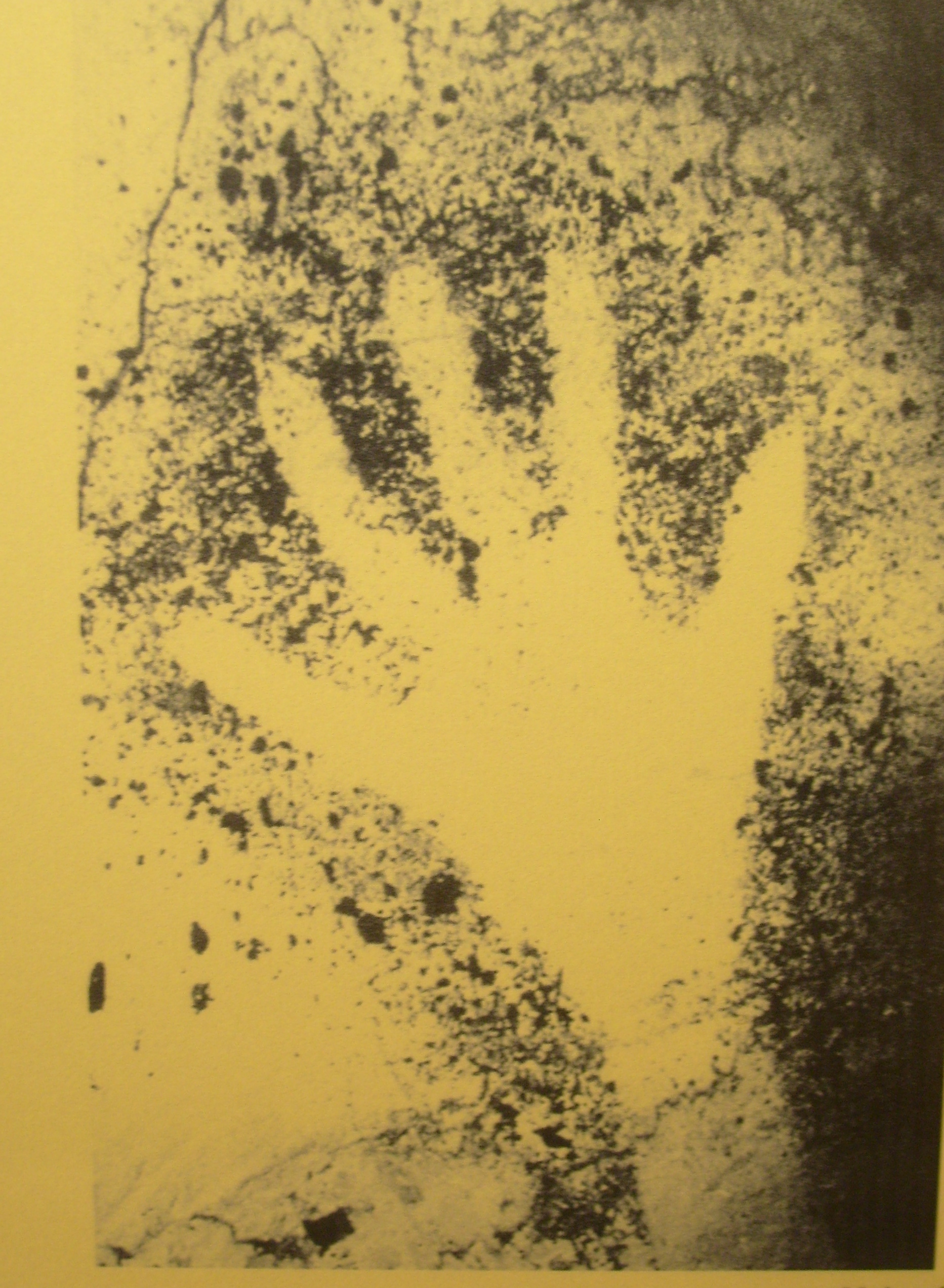
Imagine pressing your hand against a cave wall and blowing pigment around it by the light of a tallow lamp, 27,000 years ago. The Mediterranean shoreline at that time lay several kilometers to the south and perhaps 100 meters below the cave entrance. The people who painted here -- horses, ibex, bison, seals, even jellyfish -- could walk in from a coastal plain that no longer exists. Today, the only way to reach Cosquer Cave is to dive 37 meters beneath the surface of the Calanque de Morgiou near Marseille and follow a 175-meter tunnel into darkness. The cave exists in a kind of double time: Paleolithic art preserved by geological accident, accessible only through the technology of the modern age.
A Diver's Intuition
Henri Cosquer, a professional diver from Cassis, found the submerged entrance in 1985, guided by a tip from a fellow diver. He began exploring alone, then with a friend and diving instructor from his club. The passage narrowed, turned sharply, and led to an underground lake -- but a malfunctioning lamp forced Cosquer to retreat on one solo dive, shaken. Five years passed before he returned with Belgian cave divers Bernard and Marc Van Espen in June 1990. They located the entrance 37 meters below the Pointe de la Voile near Cap Morgiou, followed the gallery carefully to avoid disturbing silt, and reached the underground lake. But their guide line ran out, and they turned back. The dry section of the cave, where the art was waiting, remained just beyond their reach.
Tragedy and Revelation
In June 1991, Marc Van Espen returned and installed the final section of guide line during a dive with Cosquer. Their exploration of the first dry chamber lasted only 30 minutes. Weeks later, on July 9, Cosquer went further with his niece and diving club members. Then came September 1. Three divers from Grenoble, exploring without authorization, became lost in the access gallery and drowned. Cosquer and his companion Yann Gogan helped recover their bodies. Two days later, on September 3, Cosquer officially declared the cave to the Maritime Affairs Department in Marseille. The discovery was referred to the Ministry of Culture, and the cave that had waited in silence for millennia became headline news.
27,000 Years of Art
Four-fifths of the cave has been permanently or periodically submerged, destroying whatever art those sections held. What survives -- nearly 500 instances of cave art -- divides into two distinct periods. The older phase, from around 27,000 years ago during the Gravettian era, consists of 65 hand stencils, 44 in black and 21 in red, the ghostly outlines of people reaching across an abyss of time. The more recent art, from around 19,000 years ago in the Solutrean era, is far more complex: 177 animal depictions, including 63 horses, 28 ibex, 17 deer, 10 bison, and 7 aurochs. Uniquely among Paleolithic caves, Cosquer also contains 16 marine animals -- 9 seals, 3 great auks, jellyfish, and figures that may be fish or cetaceans. The mix of terrestrial and marine subjects reflects the cave's coastal setting, a position between land and sea that its artists knew intimately.
A Cave You Cannot Visit
The entrance is now permanently closed to unauthorized divers -- the deaths of the three men from Grenoble made that inevitable. Archaeological research continued under the direction of Luc Vanrell between 2001 and 2015, with contributions from Michel Olive, expanding knowledge of a site that rivals Lascaux and Chauvet in significance. A legal dispute between Cosquer and the French Ministry of Culture over compensation under a 2001 law on preventive archaeology underscored the tension between the discoverer's rights and the state's claim to its cultural heritage. For the public, a full-scale replica opened in Marseille, recreating the experience of the hand stencils and animal paintings without the 37-meter dive. The original cave remains where it has always been: underwater, in the dark, its paintings unchanged since the last ice age lowered the sea and sealed the entrance.
From the Air
Located at 43.203N, 5.449E beneath the cliffs of Cap Morgiou in the Calanques, near Marseille. The cave entrance is underwater and not visible from the air, but the dramatic limestone coastline of the Calanque de Morgiou is clearly identifiable. Marseille-Provence Airport (LFML) lies 25 km northwest. Best viewed from 2,000-3,000 ft AGL along the coast.