Costalegre
The name means "Coast of Joy," and the Jalisco state government chose it deliberately in the 1990s, branding 330 kilometers of Pacific shoreline between Puerto Vallarta and Manzanillo as a single destination. But Costalegre is less a unified place than a string of bays, capes, and beaches that vary wildly in character. At one end, Bahia de Navidad holds Barra de Navidad, a fishing community of 7,000 where small boats gather scallops in the lagoon. At the other, Costa Careyes is a private enclave of villas and castles built in the architectural style of Italian-born founder Gian Franco Brignone, who established it as his private estate in 1968. Between them lie sea turtle sanctuaries, ancient cave paintings, pirate shipwrecks, and a new international airport that signals the coast's contested future.
Galleons and Ejidos
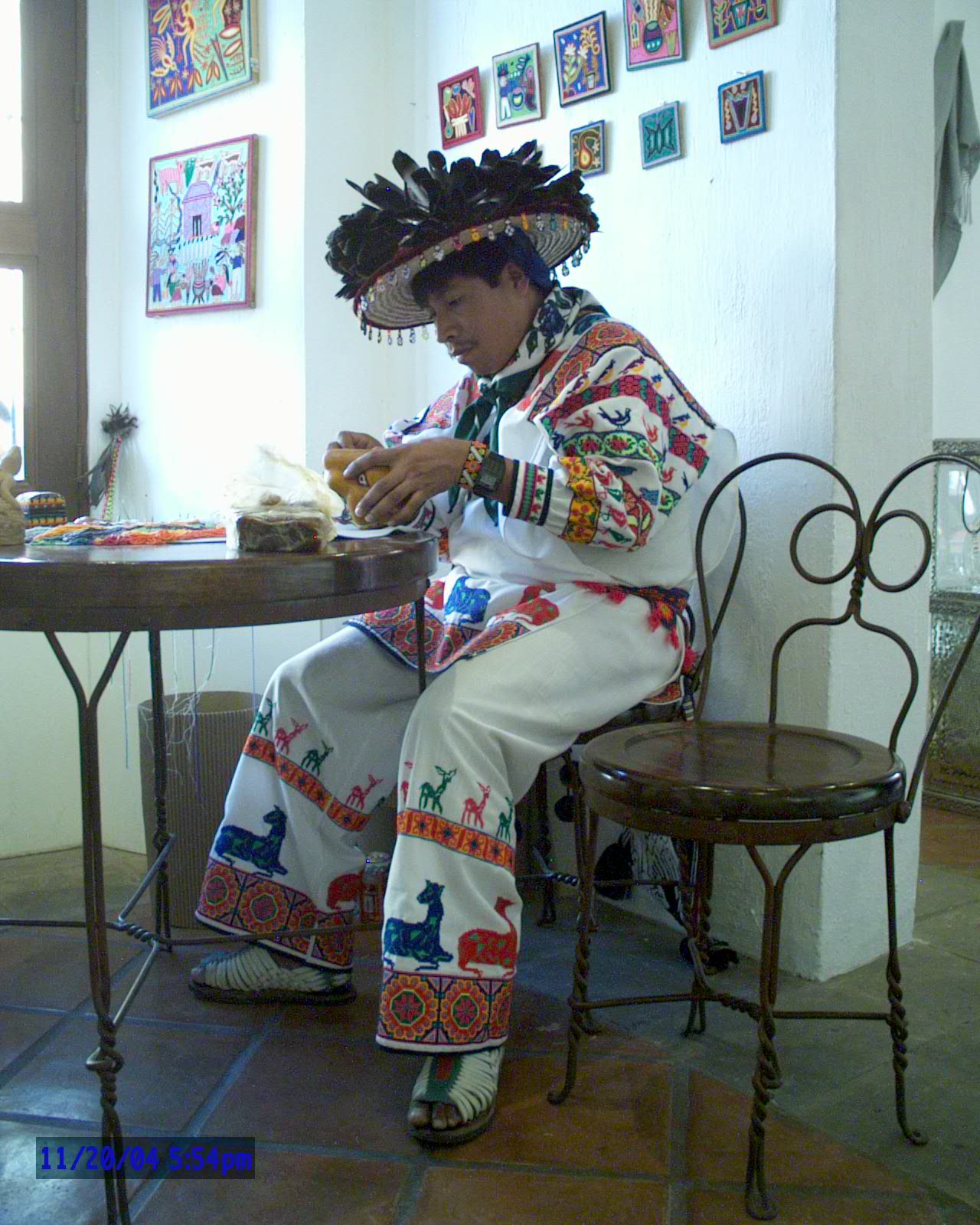
Costalegre's recorded history begins with the Spanish, who used Bahia de Navidad for shipbuilding, repairs, and as a launching point for voyages to the Philippines in the mid-16th century. The coast remained relatively isolated until the Mexican Revolution's aftermath. Following 1917, the ejido system placed 70 percent of Costalegre's land under communal ownership, dividing it among Indigenous people and citizens for farming, hunting, and fishing. The Huichol, who call themselves Wixarica, meaning "The People," are the primary Indigenous group in the region. They live in mountain towns in northern Jalisco that are difficult to reach, and along the coast their handmade crafts, woven drapes, and traditional toys appear in markets. Mexico's tourism push began under President Avila Camacho in the 1940s, and by the 1950s, 95 percent of visitors were American. But Costalegre remained a backwater until the coastal highway, Federal Highway 200, connected its towns in 1972.
Bays Without Roads
What makes Costalegre unusual is how much of it remains unreachable by car. At Cabo Corrientes, pangas, small taxi boats, ferry tourists from Boca de Tomatlan to beaches like Las Animas, Quimixto, and Yelapa, a traditional village at the mouth of the Tuito River. Mayto has more than 15 kilometers of beach and one of Mexico's largest protected sea turtle reproduction fields, where visitors can participate in the release of hatchlings. Tehuamixtle is known for its large oysters and a beach barely 200 meters long. Bahia de Chamela is a large undeveloped bay surrounded by small islands, including Pajarera, a reserve for exotic birds and a prime diving spot. At Chalacatepec, the remnants of a pirate ship sit on the shore, woven into local legend. La Penita Pintada, "Painted Little Rock," is a natural granodiorite cavity whose walls, floor, and ceiling bear ancient paintings, access limited to scheduled visiting periods to protect the art.
Billionaires and Displaced Fishermen
The tension along Costalegre is between ecotourism's promise and luxury development's reality. Cuixmala, once the private estate of financier James Goldsmith, sprawls across 25,000 acres of land, lagoon, and beach, now operating as an eco-resort. The $1 billion Xala development, 100 kilometers south of Puerto Vallarta, plans 75 ranch houses and 25 hotel residences near the new Chalacatepec International Airport, which opened in March 2024. In 2010, the Ministry of Environment green-lit Zafiro, a 2,250-acre privatization of land along the Chamela coastline that required clearing 640 acres of forest. The National Autonomous University of Mexico contested it based on damage to local ecosystems and Indigenous communities. The human cost has been direct. Firsthand accounts of evictions at Tenacatita Bay describe authorities arriving with guns, giving residents five minutes to gather belongings before fencing off the beach. Public access was eventually restored in 2015, but displaced business owners and residents were not permitted to return.
Birria, Tequila, and Turtle Babies
Costalegre's culture belongs to Jalisco, the Mexican state that gave the world tequila, mariachi, and birria. The volcanic soil of inland Jalisco grows the blue agave plant that produces tequila, while along the coast, street vendors sell tejuino, a cold fermented corn drink, and tepache, made from pineapple rind sweetened with brown sugar and cinnamon. The food is rich and regional: birria, a spicy stew of goat, cow, or iguana meat; torta ahogada, a sandwich drowned in spicy sauce; pozole in red or white variations. At Yelapa, a pie found nowhere else has become a small local legend. San Patricio, near Barra de Navidad, takes its name from the Irish Saint Patrick and celebrates his feast day on March 17. Hurricane Patricia, the most powerful cyclone ever measured in the Western Hemisphere with 215 mph winds, struck Costalegre directly on October 23, 2015, its center hitting Cuixmala with catastrophic force, a reminder that joy is not the coast's only inheritance.
From the Air
Costalegre stretches 330 km along the Jalisco coast from approximately 20.67°N, 105.27°W (near Puerto Vallarta) south to Manzanillo. From altitude, the coast alternates between developed bays and long stretches of uninhabited shoreline backed by the Sierra Madre Occidental. Key landmarks include Bahia de Navidad at the southern end and Cabo Corrientes at the northern end. The new Chalacatepec International Airport is visible mid-coast. Nearest major airports are Puerto Vallarta (MMPR/PVR) to the north and Manzanillo (MMZO/ZLO) to the south. The coastal highway, Federal Highway 200, traces the shoreline and is visible as a thin line between jungle and beach.