Crystal River: Swimming With Sea Cows
The manatees arrive when the Gulf cools. Every winter, hundreds of Florida manatees migrate to Kings Bay and Crystal River, drawn by springs that maintain 72°F year-round. And every winter, humans follow them - Crystal River is the only place in the continental United States where swimming with wild manatees is legal. The experience is otherworldly: floating in clear spring water while a 1,000-pound sea cow approaches, curious and unafraid, sometimes nuzzling snorkelers with a whiskered snout. The interaction exists on the manatees' terms - you must stay passive, let them approach, never chase or ride or harass. The slow, gentle creatures who can't outswim boats deserve at least that.
The Springs
Kings Bay contains over 70 natural springs, pumping 600 million gallons of water daily at a constant 72°F. The temperature difference matters: when Gulf of Mexico waters drop below 68°F, manatees risk cold stress syndrome, a potentially fatal condition. The warm springs offer thermal refuge. Manatees have gathered here for generations - probably for millennia, though they weren't protected until 1893. The springs also support a unique ecosystem: crystal-clear water, extensive seagrass beds, and the snorkelers and kayakers who've made Crystal River Florida's manatee capital.
The Animals
West Indian manatees are gentle, slow, and extremely vulnerable. They can reach 13 feet and 1,300 pounds, subsisting entirely on vegetation - they eat 10% of their body weight in seagrass daily. They have no natural predators; their primary threats are boat strikes and cold. Manatees can't move fast enough to avoid approaching propellers - most adults bear scars from collisions, and many die. The species was federally endangered until 2017, when recovery prompted a downgrade to 'threatened.' The Crystal River population peaks at roughly 600 animals in winter, one of Florida's largest aggregations. They're curious about humans, sometimes approaching snorkelers to investigate. The appropriate response is stillness.
The Rules
Swimming with manatees is legal but heavily regulated. The Crystal River National Wildlife Refuge establishes sanctuaries where no human contact is permitted; approaching manatees in these areas is a federal offense. Outside sanctuaries, passive observation is allowed: you may not chase, touch, or ride manatees, though they may choose to approach you. Tour operators enforce rules strictly - their permits depend on compliance. The season runs November through March, with January and February offering peak manatee numbers. Early morning is best; manatees are most active before tourist crowds arrive. The experience requires patience, cold tolerance, and willingness to let the animals control the encounter.
The Ethics
Is swimming with manatees ethical? The question divides marine biologists. Proponents argue that regulated encounters create public connection that supports conservation - people protect what they love. Critics counter that any human presence disrupts wild animals, that manatees deserve undisturbed sanctuary, that tourism commodifies creatures who can't consent. The Crystal River model attempts balance: strict rules, designated refuges, education requirements for tour operators. Whether it works depends on how you define harm. The manatees keep coming back; the population is growing; the springs remain their winter refuge. Perhaps they've voted with their flippers.
Visiting Crystal River
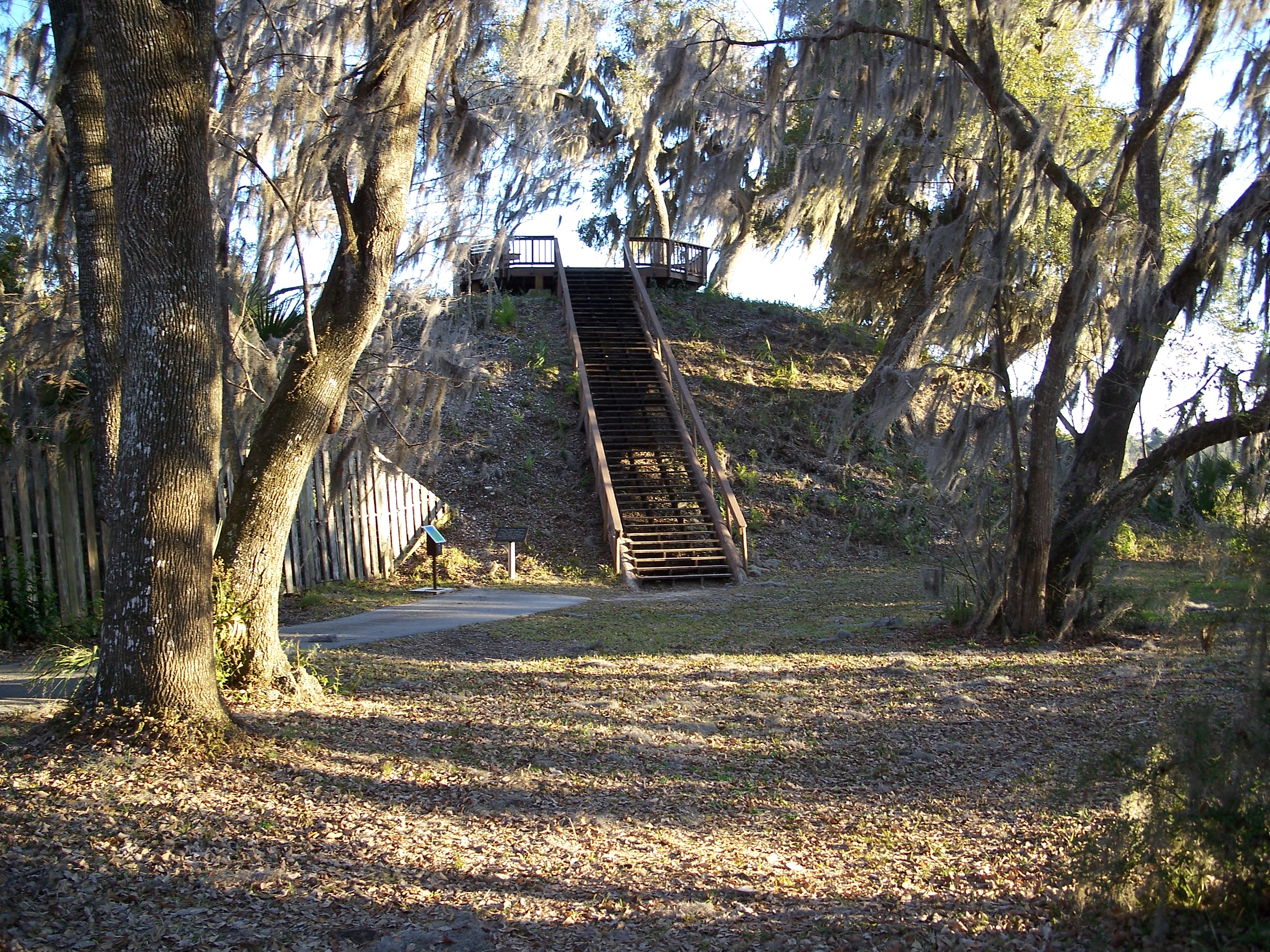
Crystal River is located on Florida's Gulf Coast, roughly 80 miles north of Tampa via US-19. Manatee season runs November through March; peak viewing is January-February. Numerous tour operators offer snorkeling trips to Kings Bay, including wetsuit and snorkel gear. Early morning trips (4-6 AM departure) offer best manatee activity. Three Sisters Springs, accessible by swimming from Kings Bay, is a popular encounter site. Crystal River Archaeological State Park preserves pre-Columbian mound complexes. Homosassa Springs Wildlife State Park, 10 miles south, offers captive manatee viewing for those uncomfortable with open-water encounters. Book tours in advance during peak season. The experience is unlike anything else - floating eye-to-eye with a creature who could crush you but chooses gentleness instead.
From the Air
Located at 28.90°N, 82.59°W on Florida's Gulf Coast, Citrus County. From altitude, Crystal River appears as a coastal community at the mouth of the Crystal River, where Kings Bay opens to the Gulf of Mexico. The springs that attract manatees are invisible from altitude - just the clear waters of the bay, indistinguishable from surrounding Florida coastline. The Gulf of Mexico extends to the west; the Florida peninsula's interior lies east. The region is typical nature coast: marshy, undeveloped compared to South Florida, the kind of habitat manatees need. What makes Crystal River special - the warm springs, the manatee gatherings, the permitted human interaction - is invisible from any altitude but life-changing at water level.