Cueva del Guácharo National Park
Every evening at dusk, the shrieking begins. Thousands of oilbirds launch from the mouth of a limestone cave near the town of Caripe in eastern Venezuela, their cries echoing off walls they navigate by echolocation alone. The Spanish heard that sound and named them guácharos -- an old Castilian word meaning "one who shrieks." The Chaima people, who lived in these mountains long before any Spaniard arrived, had a different understanding entirely. To them, this cave was a threshold between worlds, a place where their piaches and imorons summoned Ivorokiamo, the supreme evil spirit. Both cultures recognized the same truth: something extraordinary lives inside this mountain.
Ten Kilometers of Darkness
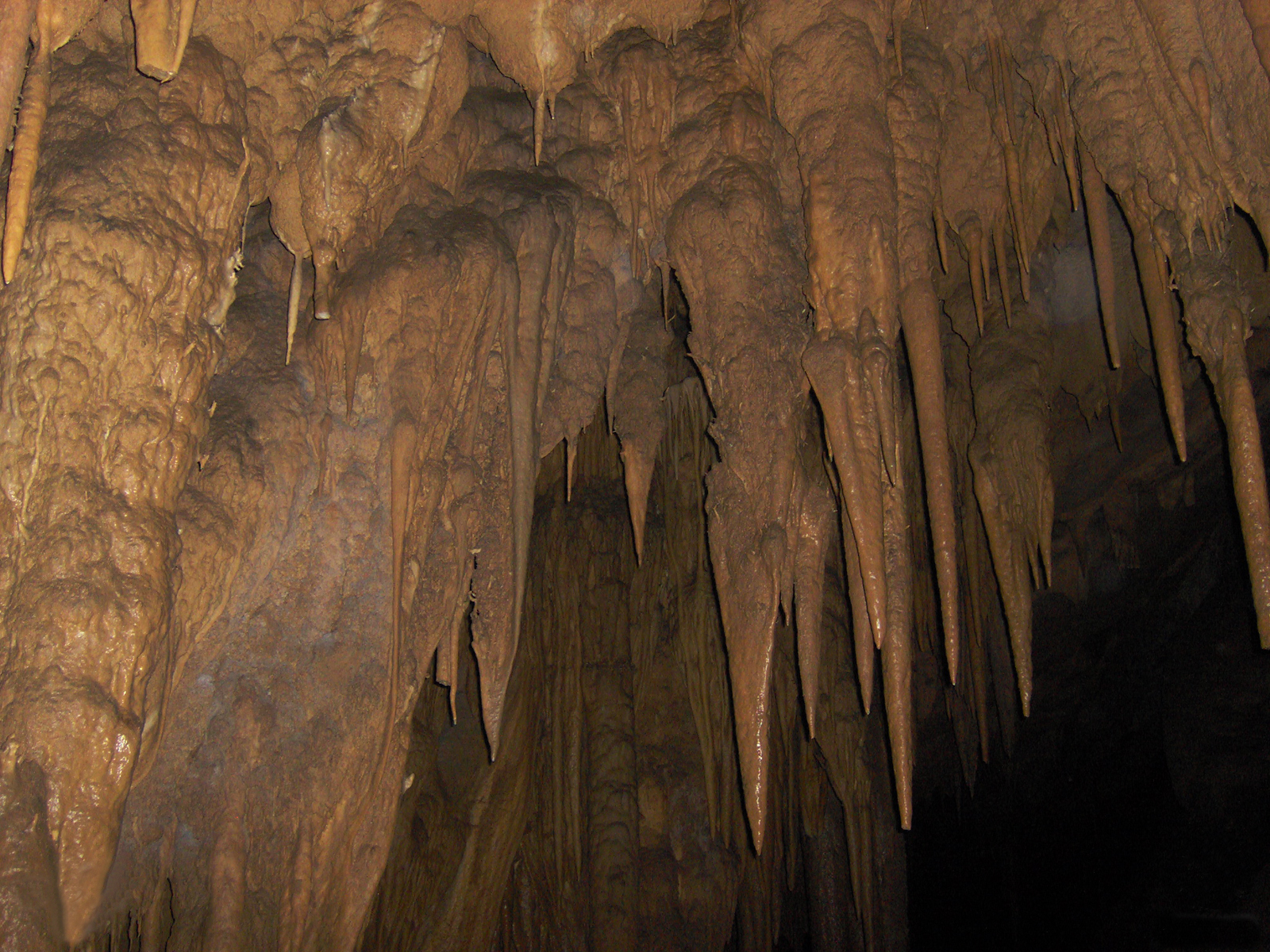
At over 10 kilometers long, Cueva del Guácharo is the longest cave in Venezuela. The limestone cavern maintains a constant temperature near 19 degrees Celsius and 100 percent humidity, creating a subterranean climate that feels more like breath than air. Large chambers open into one another, connected by passages lined with formations that have been growing for millennia. The first section, Cerro de la Cueva, is where the oilbirds nest -- and historically, it was the only part anyone dared to enter. The Chaima harvested the birds' fat annually, collecting enough oil to last the entire year. When Capuchin monks established a convent in Caripe, they continued the practice, cooking their meals with rendered oilbird fat. The birds were too valuable a resource to ignore, even for men of the cloth.
The Birds That Vomit Forests
Oilbirds are strange creatures. Fruit-eaters that live in total darkness, they leave the cave only at night to forage, navigating by echolocation -- a skill shared with bats but almost unheard of among birds. Brown with black and white spots, bristle-beaked and long-tailed, they measure around 48 centimeters from head to tail tip. What makes them truly remarkable, though, is what they leave behind. The guácharos produce guano composed of excrement and vomited seeds, creating an organic layer that forms the nutritional foundation of the entire cave ecosystem. Insects, fungi, and microorganisms all depend on what the birds discard. The most dramatic moment comes at dusk, when the entire colony erupts from the cave entrance in a roaring flock. Visitors gather to watch this nightly spectacle -- thousands of birds pouring out of darkness into the fading Venezuelan light.
A Sanctuary Within a Sanctuary
The park surrounding the cave harbors 367 bird species, earning designation as an Important Bird Area. While the oilbird itself is not endangered, several of its neighbors are. The Venezuelan flowerpiercer and the Venezuelan sylph -- birds found only in this corner of the world -- depend on the park's protected habitat. Andean cock-of-the-rock flash their brilliant orange plumage in the forest understory. Military macaws, ornate hawk-eagles, and swallow-tailed kites patrol the canopy above. The park is part of the Cordillera de Caripe Alliance for Zero Extinction site, a designation that reflects what is at stake: lose this place, and species vanish from the earth entirely.
Predators and Ghosts in the Forest
Beyond the cave entrance, the park's forests harbor a cast of animals that reads like a field guide to South American wildlife. Ocelots hunt through the undergrowth while collared peccaries root in the leaf litter. Giant anteaters probe termite mounds with their meter-long tongues, and red howler monkeys announce their territories with calls audible for kilometers. The rarest residents are the hardest to find: bush dogs, giant armadillos, and spectacled bears -- South America's only bear species -- all inhabit these forests but rarely reveal themselves. In the park's rivers lives the critically endangered Orinoco crocodile, one of the most threatened crocodilians on the planet. The eyelash viper, coiled on branches with scales that look almost decorative, reminds visitors that beauty and danger share the same habitat here.
From the Air
Located at 10.17°N, 63.55°W in the mountains of Monagas state, eastern Venezuela. The park sits at moderate elevation in the Cordillera de Caripe range. From the air, look for the heavily forested mountain terrain south of the town of Caripe. The nearest significant airport is Maturín (SVMT), approximately 100 km to the south-southwest. Best viewed at lower altitudes in clear conditions, when the contrast between the forested park and surrounding agricultural land is most visible.