Cuyuna Iron Range Water Towers
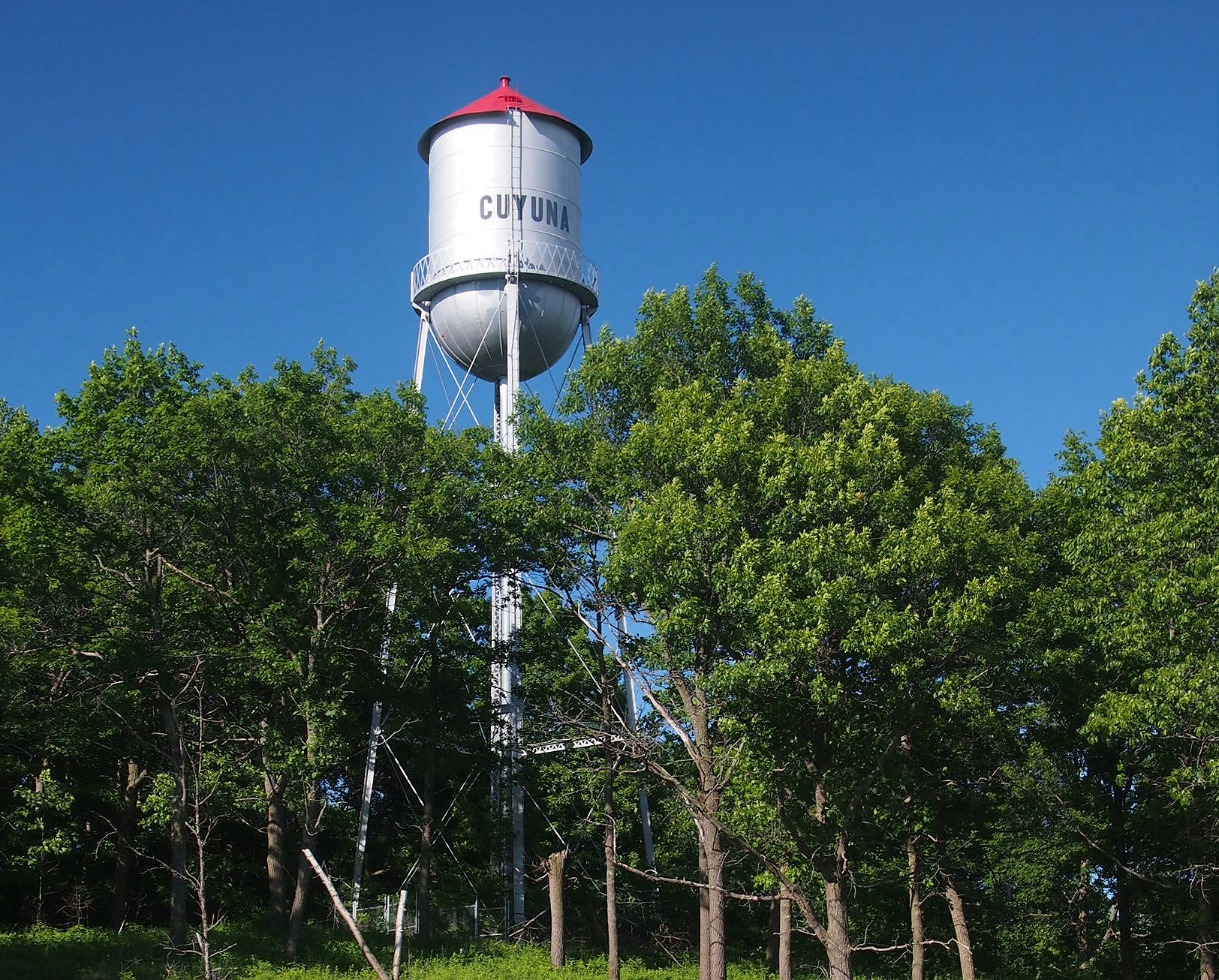
The iron range named itself after a man and his dog. In the 1890s, prospector Cuyler Adams tramped through the forests of Crow Wing County, Minnesota, with a dip needle in one hand and his St. Bernard, Una, trotting beside him. His wife merged their names into a single word: Cuyuna. When Adams struck iron ore in 1903, the Cuyuna Range was born. The tiny towns that sprang up around the mines -- Crosby, Cuyuna, Deerwood, Ironton, and Trommald -- built themselves infrastructure that rivaled cities many times their size. Five elevated metal water towers, constructed between 1912 and 1918, became the most enduring symbols of that improbable ambition. Only two still stand at their original locations today.
Boom Towns with Big Plans
Mining began on the Cuyuna Range around 1910. The Kennedy mine shaft reached ore in April 1908, and the first rail shipment left in April 1911. What followed was a civic building spree fueled by an unusually favorable property tax arrangement on the iron mines. The tax revenues flowing into these small communities were staggering relative to their populations. State historian Theodore C. Blegen observed that range towns blossomed with "schools, community buildings, parks, splendid streets, and other public improvements built generously, not to say lavishly. They set standards far beyond those of most Minnesota cities at the time." Even the smallest communities installed complete water systems, something most rural Minnesota towns of similar size could only dream of.
Iron Below, Water Above
The five water towers rose across the Cuyuna Range between 1912 and 1918, serving Crosby, Cuyuna, Deerwood, Ironton, and Trommald. Their capacity ranged from 50,000 gallons in the smaller towns of Cuyuna, Deerwood, and Trommald to 100,000 gallons in Crosby. The Cuyuna Range's ore was rich in manganese, a critical ingredient in steel production, making these mines especially valuable during World War I when 32 mines operated simultaneously. The water towers were both practical infrastructure and statements of civic pride, visible for miles across the flat range landscape. They were listed on the National Register of Historic Places as a group, recognized for representing the era of community planning and public works that the mining boom made possible.
The Tower That Had to Move
In Ironton, the very industry that built the water tower nearly destroyed it. Underground mining of an iron ore vein made the ground beneath the tower unstable, and the structure had to be relocated. On a windy day, workers moved the entire tower south along Curtis Avenue. A photographer captured it mid-journey, rolling past the Spina Hotel Block, one of the more surreal images in Minnesota industrial history. The tower was placed in Morningside Park, where it stood for years as an accidental monument to the paradox of mining towns: the wealth that built them could also undermine them, literally. Eventually, the city council voted to appropriate $6,000 for its demolition.
What the Boom Left Behind
Mining employment on the Cuyuna Range peaked around 1920 and began declining by 1930. By the 1950s, iron mining was well in decline, though scattered operations continued until 1984. As populations dwindled, the lavish public improvements Blegen had admired began disappearing. Schools were demolished. Houses were torn down or left abandoned and dilapidated. Within Trommald and Cuyuna, the water towers became the most visible remains of the boom years. As of 2022, only two of the five original towers survive at their original locations, standing above towns that once dreamed as big as the ore deposits beneath their feet. Today the old mine pits have filled with clear water, and the Cuyuna Lakes region draws mountain bikers and kayakers to trails and waterways carved from the scars of industry.
From the Air
Located at approximately 46.48N, 93.95W in Crow Wing County, central Minnesota. The former Cuyuna Range towns of Crosby, Ironton, Cuyuna, Deerwood, and Trommald are spread across a relatively flat landscape. Flooded mine pits now appear as vivid blue lakes visible from altitude. Brainerd Lakes Regional Airport (KBRD) is approximately 15 miles to the southwest in Brainerd. The terrain is a mix of boreal forest and open land, with numerous lakes and the distinctive scars of former mining operations.