Dakar
Dakar sits on the Cap-Vert Peninsula, the westernmost point of the African mainland, where the Atlantic Ocean meets the Sahel. The city was French colonial capital for West Africa, the port from which France administered its African empire, the intellectual center where African leaders like Leopold Senghor developed the concept of Negritude. Dakar holds 3.9 million people in the metropolitan area, nearly a quarter of Senegal's entire population, a primate city that dominates its nation as few others do. The city is gateway to West Africa for many visitors, the stability and infrastructure that Senegal offers making Dakar hub for regional business and organizations.
Goree Island
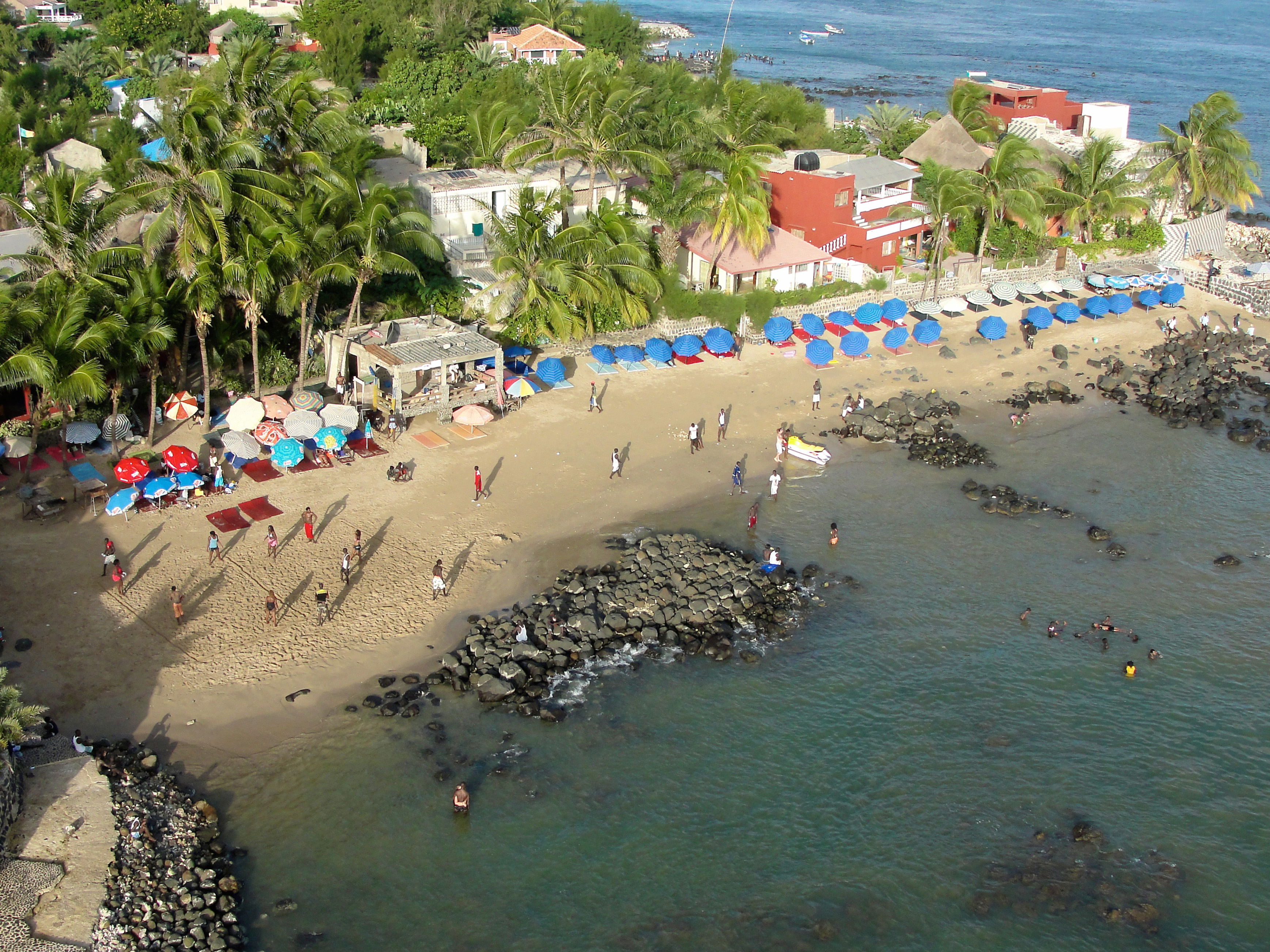
Goree Island lies three kilometers offshore from Dakar, a UNESCO World Heritage Site that memorializes the Atlantic slave trade. The Maison des Esclaves - the House of Slaves - presents itself as transit point where captured Africans awaited ships to the Americas, the Door of No Return opening onto the sea. Historians debate whether Goree's actual role was as significant as the memorial claims; the symbolic importance has exceeded the historical record.
The controversy does not diminish Goree's power. The millions of visitors who have passed through the door, the African American pilgrims who seek connection to ancestors, the heads of state who have made solemn visits - these respond to what Goree represents rather than what it was. The island's pastel colonial buildings, its car-free streets, its artisan workshops create setting for reflection that the mainland cannot provide. Goree is where the slave trade is remembered on African soil.
The Atlantic Point
The Pointe des Almadies is Africa's westernmost point, the place where the continent ends and the Atlantic begins. The lighthouse that marks it, the restaurants and clubs that have developed around it, the symbolism that geography provides - these make the point destination rather than just location. The statue of the African Renaissance, 49 meters tall, rises nearby, its copper form depicting a family emerging toward the sea.
The African Renaissance Monument, completed in 2010, was controversial from conception - the North Korean company that built it, the cost that critics said should have addressed poverty, the aesthetics that some found inappropriate. Yet the monument has become Dakar's symbol, appearing on tourist materials and currency, the statement of aspiration that governments make through public art. The westernmost point now has a marker to match its significance.
The Medina
The Medina quarter is Dakar's working-class heart, the neighborhood where Senegalese culture persists beneath French colonial overlay. The Sandaga Market that anchors it sells everything from fabric to electronics, the commerce conducted in Wolof rather than French, the prices negotiated in ways that supermarkets have not displaced. The neighborhood's density and vitality represent the Dakar that tourists rarely see and residents actually live.
The Medina is not medina in the Moroccan sense - no medieval walls, no ancient architecture - but the name connects Dakar to Arab and Islamic heritage that French colonialism tried to override. The mosques that call worshippers to prayer, the tailors who sew traditional boubous, the restaurants serving thieboudienne (fish and rice) - these maintain Senegalese culture in the city that colonialism built. The Medina is authentic in ways that waterfront hotels cannot be.
Teranga
Teranga is the Wolof concept of hospitality that Senegal claims as national identity - the welcome that strangers receive, the generosity that hosts display, the openness that makes Senegal distinctive in a region where security concerns close borders and minds. The concept is marketing but also genuine, the reception that visitors describe and residents practice. Dakar is where teranga concentrates, the city that represents Senegal to the world.
The hospitality has limits that reality imposes. The poverty that makes generosity economically difficult, the touts who convert welcome into commerce, the frustrations that urban life creates everywhere - these complicate the ideal. Yet Senegal's stability, its religious tolerance, its tradition of peaceful power transitions - these support the claim that teranga represents something real. Dakar is friendlier than comparable cities, even when friendliness serves ulterior purposes.
The Gateway
Dakar serves as gateway to West Africa for international organizations, businesses, and travelers who find stability here that surrounding nations cannot provide. The UN and other agencies base regional operations in Dakar; the multinational companies that serve African markets headquarter here; the flights that connect Africa to Europe and the Americas hub through Leopold Sedar Senghor International Airport.
The gateway function shapes Dakar's character and economy. The expatriate communities that serve international organizations, the hotels and restaurants that cater to business travelers, the infrastructure that international presence requires - these create a Dakar that differs from cities without such connection. The inequality between international-standard facilities and local conditions is visible; the jobs and investment that international presence brings are also real.
From the Air
Dakar (14.69N, 17.44W) sits on the Cap-Vert Peninsula, Africa's westernmost point, on the Atlantic Ocean. Blaise Diagne International Airport (GOBD/DSS) opened in 2017, located 47km east of the city center with one runway 01/19 (3,500m). The older Leopold Sedar Senghor Airport (GOOY/DKR) is within the city, now used for some traffic. Goree Island is visible offshore. The African Renaissance Monument is a prominent landmark. The peninsula shape is distinctive from the air. Weather is Sahelian - hot year-round, wet season July-October. Harmattan dust can reduce visibility December-February.