Dallas: The City Where JFK Died and Everything Is Bigger
Dallas is defined by a moment it wishes it could forget: November 22, 1963, when Lee Harvey Oswald shot President Kennedy from the Texas School Book Depository. The city that prided itself on ambition and growth became 'the city that killed Kennedy,' a reputation that took decades to escape. Dallas responded the only way it knew: by building bigger, achieving more, demanding recognition. The Cowboys became 'America's Team'; the skyline grew taller; the wealth multiplied. The city of 1.3 million (metro area of 7.6 million, combined with Fort Worth) sprawls across the North Texas prairie, connected to Fort Worth by a 30-mile urban corridor called the Metroplex. Dallas does nothing small - including the effort to outrun its darkest day.
The Assassination
The motorcade turned onto Elm Street at 12:30 PM, passing the Texas School Book Depository. Three shots, six seconds, and American history fractured. Kennedy was pronounced dead at Parkland Hospital; Oswald was arrested 80 minutes later in a movie theater; Jack Ruby shot Oswald two days later in the Dallas Police basement. The questions haven't stopped: the grassy knoll, the magic bullet, the conspiracy theories that will never quite die. Dealey Plaza remains unchanged - the Sixth Floor Museum occupies the Depository, the X on the street marks where Kennedy was hit, tourists photograph from the spot where Zapruder filmed. Dallas carries November 22, 1963, whether it wants to or not.
The Cowboys
The Dallas Cowboys became 'America's Team' through relentless branding, sustained excellence, and a stadium that serves as monument to both. The team's 1970s dynasty (five Super Bowl appearances, two wins) established the brand; the 1990s dynasty (three Super Bowls in four years) cemented it. Jerry Jones bought the team in 1989, built AT&T Stadium in Arlington (capacity 80,000, expandable to 105,000), and created what is less a football team than a corporation. The Cowboys haven't won a Super Bowl since 1996, but the brand persists - the star, the cheerleaders, the televised drama. 'America's Team' remains Dallas's claim regardless of on-field results.
The Oil
The East Texas oil field, discovered in 1930, made Dallas the financial center for the petroleum industry. The oilmen who struck it rich built mansions in Highland Park, financed downtown towers, and created the conspicuous consumption that defines Dallas style. The oil is playing out, but the money remains - Dallas has diversified into telecommunications, banking, healthcare, and defense, becoming a genuinely diversified economy. But the oil culture persists: the big cars, the big houses, the assumption that growth solves problems, the belief that success is its own justification. Dallas is still the city that oil built.
The Arts
The Dallas Arts District is the largest urban arts district in the United States - 68 acres containing the Dallas Museum of Art, the Meyerson Symphony Center, the Nasher Sculpture Center, the AT&T Performing Arts Center, and more. The concentration of cultural institutions represents Dallas's determination to be taken seriously - to be more than cowboys and oil, to compete with New York and Los Angeles culturally as well as economically. The institutions are genuinely excellent; the architecture is designed by stars (Renzo Piano, Norman Foster, Rem Koolhaas). Dallas bought itself a cultural reputation. The strategy worked.
Visiting Dallas
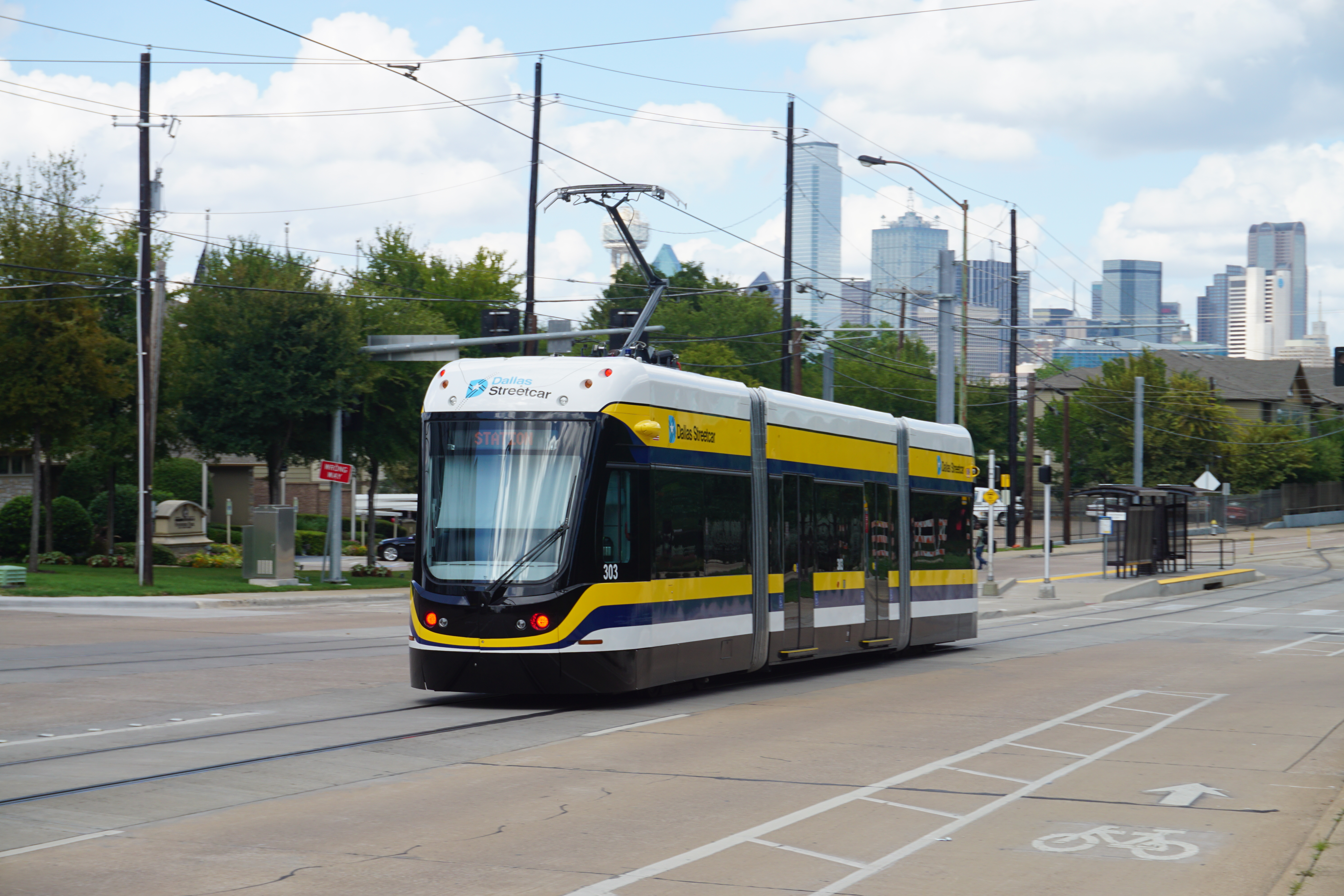
Dallas is served by Dallas/Fort Worth International Airport (DFW), one of America's largest. The Sixth Floor Museum at Dealey Plaza provides the essential Kennedy context. The Dallas Arts District offers multiple museums; the Nasher Sculpture Center is exceptional. The Dallas Arboretum showcases gardens and seasonal displays. Deep Ellum provides nightlife and live music. For food, Tex-Mex is essential; the barbecue debates with Fort Worth. The Stockyards in Fort Worth offer cowboy heritage. The DART light rail connects downtown to suburbs and airport. The heat is brutal in summer; spring and fall are best. Everything is spread out; a car helps.
From the Air
Located at 32.78°N, 96.80°W on the North Texas prairie where the Trinity River provided a natural crossing. From altitude, Dallas appears as the eastern anchor of the Metroplex - the downtown skyline distinctive, the sprawl extending in all directions, Fort Worth visible 30 miles west. DFW Airport sits between the two cities. Dealey Plaza is invisible from altitude; its significance requires ground-level experience. What appears from altitude as a massive Texas metropolitan area is the city of ambition and tragedy - where Kennedy was killed, where the Cowboys play, and where doing things bigger is simply how things are done.