The Dancing Plague of 1518: When Strasbourg Couldn't Stop Dancing
In July 1518, a woman named Frau Troffea stepped into the streets of Strasbourg and began to dance. She danced for hours without music, without rest, without apparent cause. By the end of the week, 34 others had joined her. Within a month, 400 people were dancing in the streets, some allegedly collapsing from exhaustion, strokes, and heart attacks. Authorities, bewildered, hired musicians and built a stage, believing the afflicted needed to 'dance it out.' It only made things worse. The Dancing Plague of 1518 remains one of the strangest episodes of mass hysteria in recorded history - hundreds of people dancing themselves to injury or death, and no one knows why.
The Beginning
It began on a hot July day in 1518. Frau Troffea walked into the street and started dancing. She danced alone, without music, with a twisted expression on her face. She danced until she collapsed, then got up and danced more. She danced for days.
Her husband tried to stop her. Authorities tried to stop her. Nothing worked. Then neighbors began joining her. First a few, then dozens. By August, historical records suggest between 50 and 400 people were dancing in the streets of Strasbourg, unable or unwilling to stop.
The Spread
The affliction spread like contagion. People who hadn't been near Frau Troffea suddenly began dancing. They danced in streets, in squares, in the guildhalls. Some reportedly danced for days without food or water. Contemporary accounts describe dancers with bleeding feet and exhausted bodies who couldn't stop moving.
Physicians diagnosed the phenomenon as 'hot blood' - an imbalance of the humors that could only be cured by more dancing. City authorities accepted this theory and took action that, in hindsight, was catastrophically wrong.
The Stage
The city of Strasbourg hired musicians and built a wooden stage. Guildhalls were opened for dancing. Strong young men were employed to keep the dancers moving. The theory was that continuous dancing would 'burn out' the affliction.
It didn't work. The music seemed to encourage more dancing. The affliction spread. Contemporary sources claim some dancers died from strokes, heart attacks, or sheer exhaustion. The exact death toll is disputed - some modern historians doubt anyone died, while period accounts describe multiple fatalities.
The End
After weeks of dancing, authorities changed tactics. The musicians were dismissed. Dancing was banned. The afflicted were taken to a mountaintop shrine dedicated to St. Vitus - the patron saint invoked against chorea (dance-like movements). They were given blessed crosses to hold and red shoes to wear.
Gradually, the dancing stopped. By September 1518, the plague had burned itself out. Frau Troffea reportedly recovered. Some dancers returned to normal life. The episode was recorded in city chronicles and then largely forgotten until modern researchers rediscovered it.
The Mystery
What caused hundreds of people to dance uncontrollably for weeks? Theories include mass psychogenic illness triggered by extreme stress - Strasbourg had suffered famine, disease, and poverty in the years before 1518. Ergot poisoning from contaminated grain has been proposed, though it doesn't fit the symptoms.
Historian John Waller argues that the dancing plague was a stress-induced trance state, enabled by cultural beliefs about St. Vitus's curse. People who believed the saint could make them dance were psychologically primed to do so under stress. The dancing plague of 1518 remains a reminder that the human mind can create physical reality - and that sometimes, when stressed enough, bodies do things that defy explanation.
From the Air
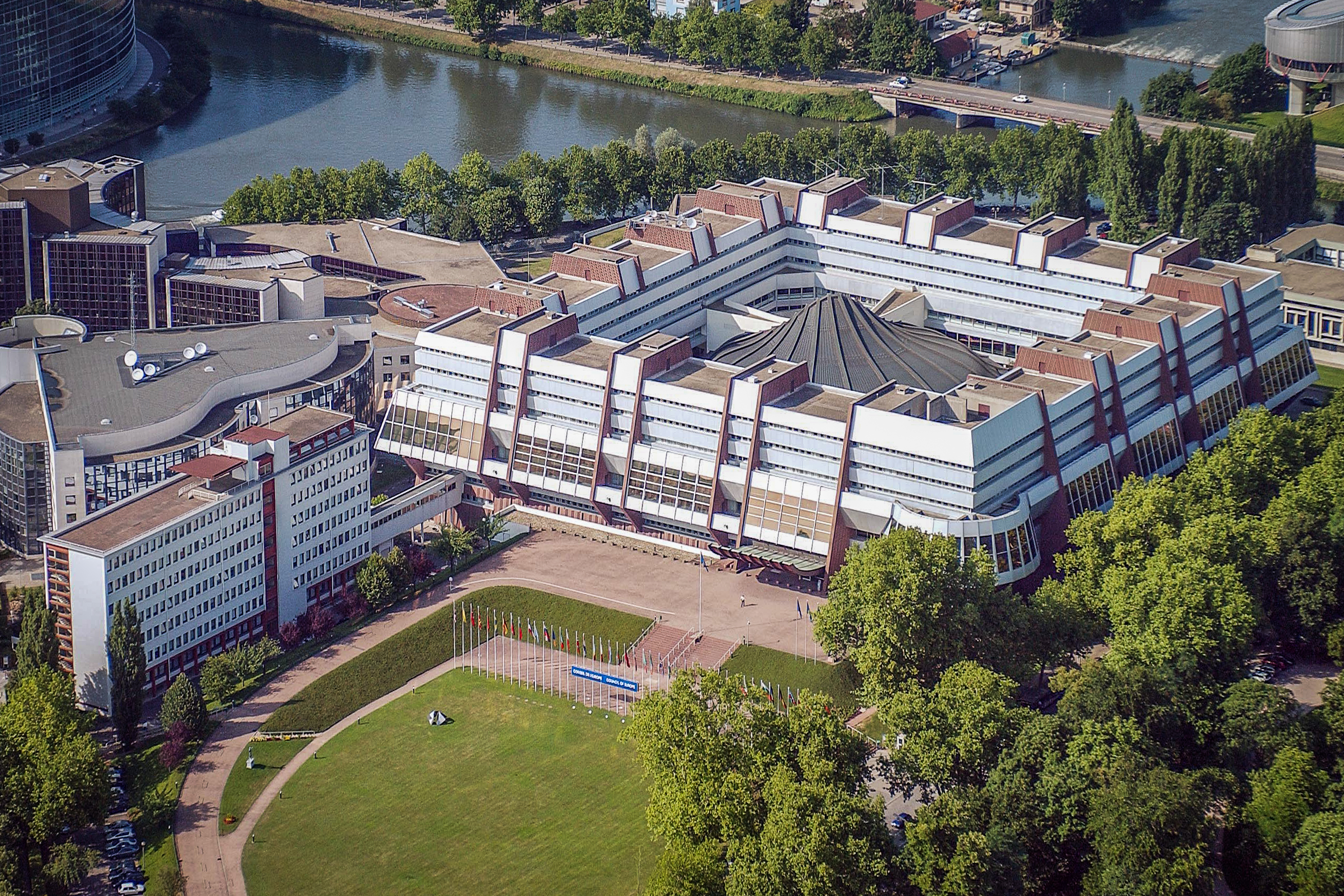
Strasbourg (48.58N, 7.75E) lies in northeastern France on the German border. Strasbourg Airport (LFST) is 10km southwest. The city straddles the Ill River, with a medieval old town. The Rhine forms the French-German border just east of the city. Weather is continental - warm summers, cold winters.