Danvers State Hospital: The Asylum That Inspired Horror
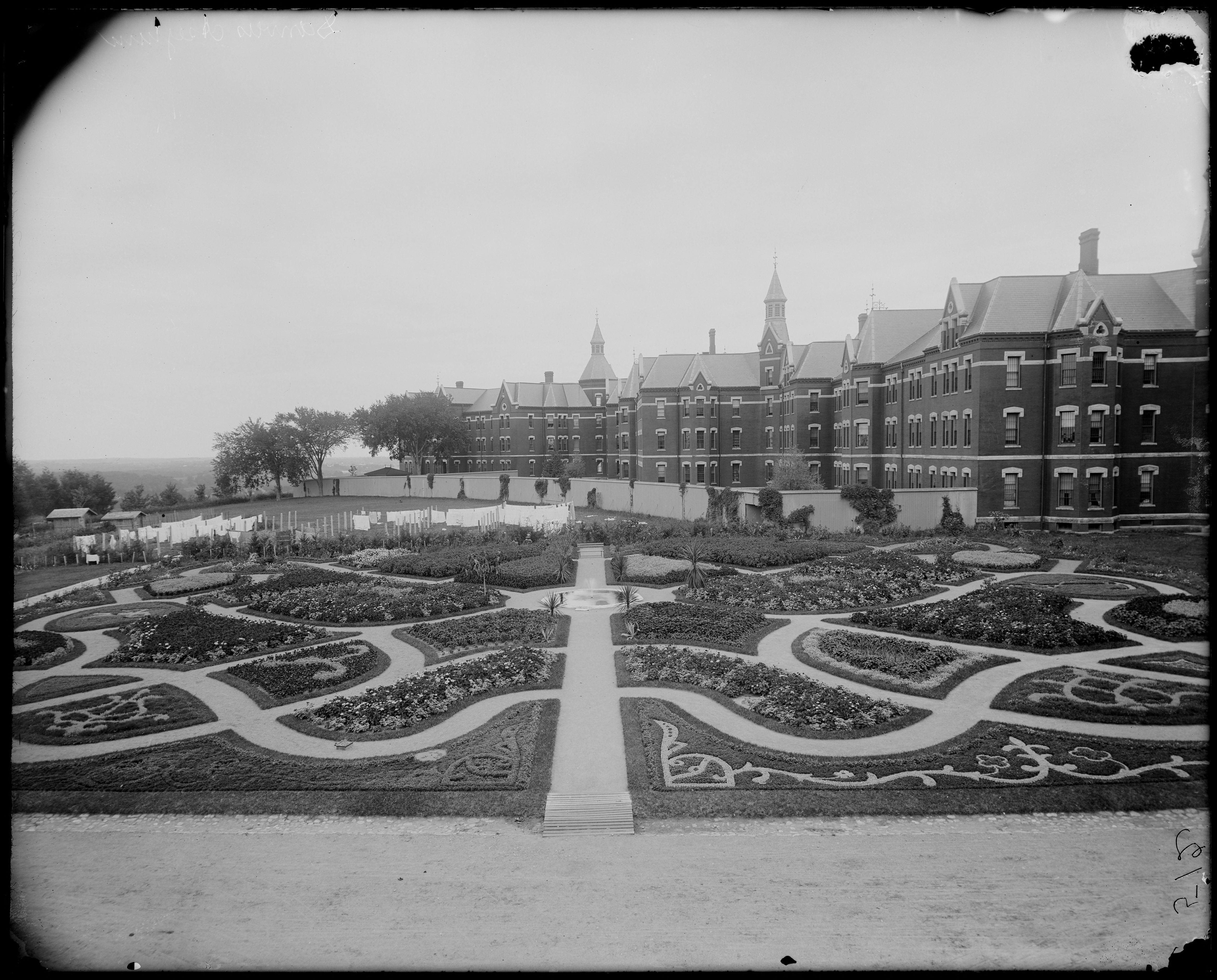
The architecture was meant to heal. Danvers State Hospital, opened in 1878 on a hill in Massachusetts, embodied the 'Kirkbride Plan' - a progressive theory that asylum design could cure mental illness through light, air, and pastoral views. The building's Gothic spires and spreading wings made it beautiful. Then overcrowding, underfunding, and medicine's embrace of lobotomies made it infamous. The hospital pioneered pre-frontal lobotomies in the 1940s, performing dozens annually. It inspired Lovecraft's Arkham Asylum and the horror films that followed. By 1992, when it closed, Danvers represented everything wrong with institutional psychiatry. The building was too iconic to demolish entirely - so developers kept the spires and built condos on the grounds where patients suffered.
The Theory
Thomas Kirkbride believed architecture could cure insanity. His 'Kirkbride Plan' placed patients in wings arranged like a bat's spread wings, each ward receiving sunlight and fresh air, views of landscaped grounds promoting calm. Danvers State Hospital, designed by Nathaniel Bradlee, was the plan's finest expression: Gothic Revival grandeur on Hathorne Hill (named for an ancestor of Nathaniel Hawthorne), surrounded by 77 acres of gardens and farmland. The hospital opened in 1878 with capacity for 600 patients. The theory was humane. The execution would be its opposite.
The Decline
By the 1940s, Danvers held over 2,300 patients in space designed for 600. The crowding made therapeutic environment impossible. Patients lived in hallways, basements, attics. The staff-to-patient ratio collapsed. Violence became common. And then came the lobotomies. Dr. Walter Freeman popularized the procedure nationally, but hospitals like Danvers embraced it enthusiastically - a surgical solution to overcrowding, converting difficult patients to docile ones. Hundreds of lobotomies were performed at Danvers. The surgery worked, after a fashion. The patients became manageable. They also became something less than they'd been.
The Horror
H.P. Lovecraft set his fictional Arkham Asylum in a town modeled on Danvers; the hospital's Gothic architecture embodied literary Gothic horror. The film 'Session 9,' shot at Danvers in 2001 during the building's abandonment, used the decaying wards as backdrop for psychological terror. The hospital became shorthand for institutional horror - beautiful buildings that failed beautiful theories, architecture of hope that sheltered despair. Urban explorers broke in during the abandoned years, finding medical records scattered, patient art on walls, evidence of lives confined and forgotten. The horror was real; the films just borrowed it.
The Condos
In 2005, developers announced plans for 'Avalon at Danvers State' - luxury condominiums on the asylum grounds. The controversy was inevitable: apartments built on suffering, marketed to buyers who might not know the building's history. The developers demolished most of the complex but preserved the iconic spires and central administration building, incorporating them into the residential design. A fire during construction destroyed most of what remained of the original structure. The rebuilt spires now crown apartments where patients once waited for treatments that might lobotomize them. The architecture survived, sort of. The history faded into marketing copy.
Visiting Danvers
Danvers State Hospital no longer exists as a hospital - the site is now private residential property (Avalon at Danvers). The preserved spires are visible from Route 1 and surrounding roads, but access to the grounds is restricted to residents. The Danvers Archival Center preserves hospital records and photographs. The building that inspired Arkham Asylum is mostly gone; what remains is residential. For those interested in Kirkbride architecture, similar hospitals survive at varying states of preservation across America - Trans-Allegheny Lunatic Asylum in West Virginia offers tours of a comparable structure. Danvers itself is a suburb of Boston, offering little beyond the memory of what stood on the hill.
From the Air
Located at 42.57°N, 70.94°W in Danvers, Massachusetts, roughly 20 miles north of Boston. From altitude, the Avalon at Danvers development is visible as modern residential buildings surrounding reconstructed Gothic spires - the remnants of the original asylum preserved among new construction. The site occupies Hathorne Hill, overlooking suburban Boston. Nothing from altitude suggests the building's history as a psychiatric hospital; the development looks like any upscale residential community. The horror that made Danvers infamous is invisible from any altitude. Only the spires remain, now watching over apartments instead of wards.