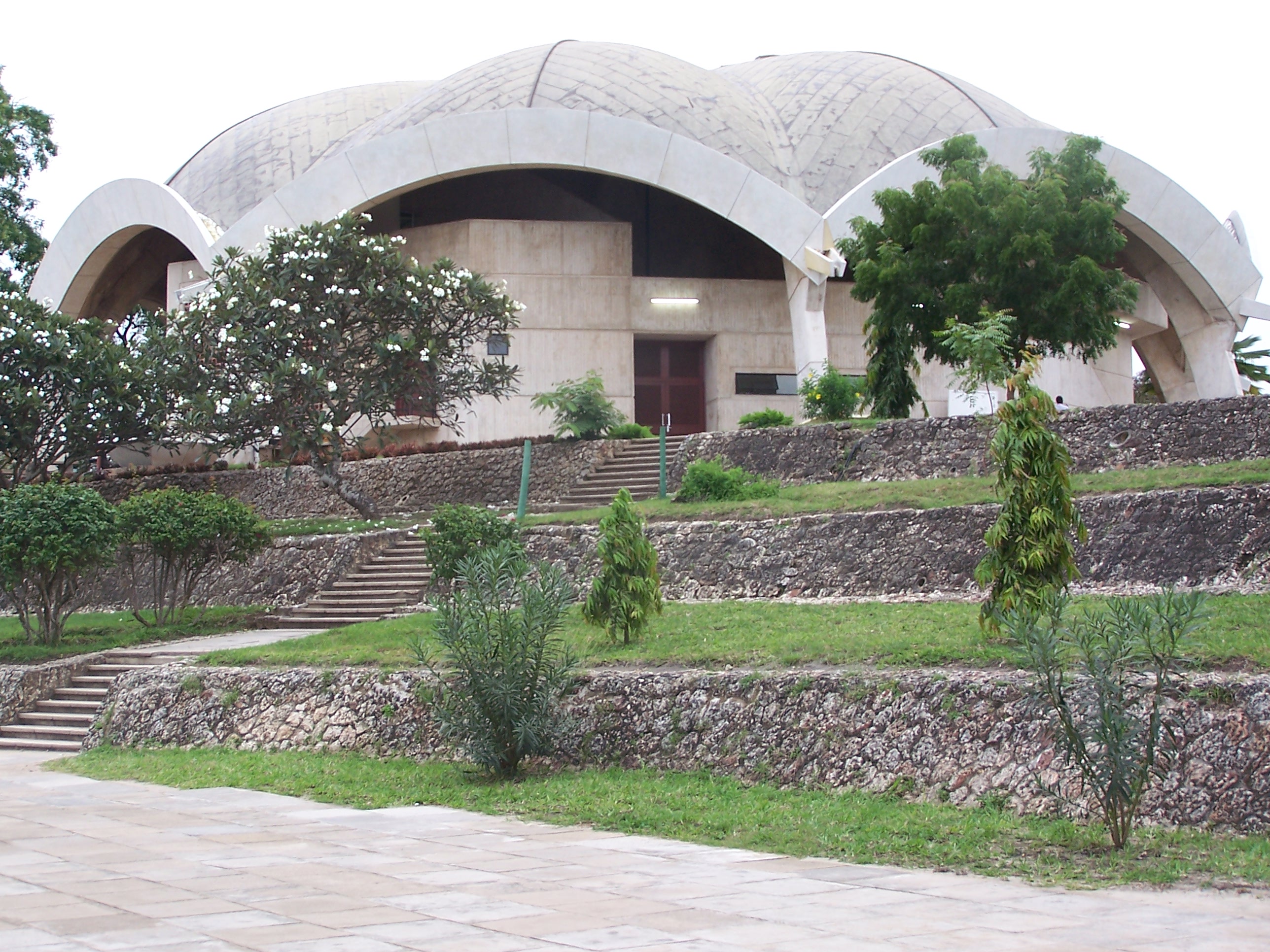
Dar es Salaam
The name is a promise: Dar es Salaam, "Haven of Peace" in Arabic. Sultan Seyyid Majid of Zanzibar chose it in 1862 when he founded a new settlement on the mainland coast, on the site of the fishing village of Mzizima. Whether Dar has lived up to that name depends on when you ask. German colonial administrators made it the capital of German East Africa. British forces captured it during World War I. Julius Nyerere stripped it of its capital status in 1973, moving the government to Dodoma -- though the political and financial machinery of Tanzania never fully followed. Today, with a population that has swelled past five million, Dar is louder and more chaotic than any haven ought to be. It is also, by nearly every measure, the beating heart of Tanzania.
Three Empires, One Harbor
Mzizima's history stretches back to when the Barawa people first settled and cultivated the coastal strip around Mbwa Maji, Magogoni, and Mjimwema. The Omani-influenced Sultan Majid saw the natural harbor's potential and planned a trading hub to rival Bagamoyo, the established terminus for caravans carrying ivory and enslaved people from the interior. His death in 1870 stalled the project, but the Germans revived it after 1885, building Dar into the administrative center of their East African colony. Railways pushed inland. The harbor filled with cargo ships. When British forces arrived in 1916, they inherited a functioning colonial port and kept building. Each wave of rulers left architectural deposits that still layer the city center -- German Bomas, British colonial offices, and Indian merchant houses shoulder to shoulder along streets that have been renamed multiple times but never straightened.
The Texture of the Streets
Walk the city center and you walk through several cultures simultaneously. Kariakoo Market, named after the World War I "Carrier Corps" who camped on the site, is a dense, noisy grid of stalls selling everything from dried fish to secondhand electronics. The Indian quarter radiates outward from mosques and temples, its restaurants serving kebabs and chai alongside Tanzanian staples. Samora Avenue, the main commercial artery, runs past the Askari Monument -- a bronze soldier commemorating African troops of the Great War -- toward the harbor, where dhows still dock beside container ships. On the Msasani Peninsula to the north, a different Dar emerges: diplomatic compounds, international hotels, and restaurants serving sushi and Italian food to expatriates and wealthy Tanzanians. The contrast is sharp, but both versions of the city are genuine.
Chipsi Mayai and Konyagi
Dar's food scene is an informal education in the city's cultural crossroads. Street vendors serve mishikaki -- grilled meat skewers -- and chipsi mayai, an omelet stuffed with french fries that costs about a thousand shillings and qualifies as the national comfort food. Small restaurants called hotelis offer buffet-style lunches of ugali, rice, chapati, and stews of fish, chicken, or beans. The South Asian influence runs deep: tea shops off Libya Street pour milky chai alongside samosas and kebabs, while the Alcove on Samora Avenue serves Indian and Chinese dishes to a vegetarian-friendly crowd. For something cooler, Kilimanjaro, Serengeti, and Safari are the local beers -- Safari being the strongest at 5.5 percent. Konyagi, a local gin, anchors the spirits menu at most bars. The serious drinking happens after dark, when night clubs along the peninsula come alive and the Mediterraneo Lounge plays chill-out music with Indian Ocean views.
Islands, Reefs, and the Road Out
Dar works best as a base for exploring rather than a destination to be exhausted. Bongoyo and Mbudya Islands lie a short boat ride offshore, offering white sand and reef snorkeling within sight of the city skyline. Bagamoyo, the old slave-trade port and first German colonial capital, is a day trip to the north. The Zanzibar ferry departs from the harbor multiple times daily, connecting Dar to the spice island in about two hours. For those heading inland, the central railway -- the Mittellandbahn, originally built by the Germans -- still runs west toward Lake Tanganyika, tracing one of the oldest transport corridors in East Africa. Julius Nyerere International Airport handles flights to Kilimanjaro, the northern safari circuit, and international destinations. Most visitors pass through Dar quickly, but the city rewards those who slow down long enough to eat on the street, bargain in Kariakoo, and watch the sun drop behind the harbor from a plastic chair on the waterfront.
From the Air
Dar es Salaam sits at approximately 6.82S, 39.28E on the Tanzanian coast, its natural harbor and distinctive peninsula clearly visible from cruising altitude. Julius Nyerere International Airport (HTDA) lies about 10 km west of the city center. The harbor entrance, Msasani Peninsula, and offshore islands (Bongoyo, Mbudya) are useful visual references. Zanzibar is visible across the channel to the northeast. The city is flat and bordered on the east by the Indian Ocean, with the Mittellandbahn railway corridor running west-northwest toward the interior.