Demak Sultanate
The name itself tells three different origin stories, and none of them agree. To the historian Poerbatjaraka, Demak derives from the Javanese word delemak, meaning watery soil or swamp. To the Islamic scholar Hamka, it comes from the Arabic dimak, meaning tears, evoking the hardship of establishing Islam on Hindu-Buddhist Java. A third theory traces it to the Kawi language, where it means heirloom or gift. All three etymologies fit. Founded in the last quarter of the 15th century on Java's north coast, the Demak Sultanate was born in marshland, forged through struggle, and inherited an empire.
A Village Called Glagah Wangi
Before it became the seat of Java's first Muslim state, Demak was a settlement called Glagah Wangi, a small fiefdom belonging to the great Hindu-Buddhist Majapahit kingdom. According to Javanese tradition, a man named Raden Patah arrived here and was welcomed by a woman named Nyai Lembah from Rawa Pening. He stayed, and the village began to change. Under orders from Sunan Ampel, one of the revered Islamic teachers known as the Wali Songo or "nine saints," Raden Patah established an Islamic learning center in the village. A madrasa and pesantren boarding school followed. Muslim traders from China, Gujarat, Arabia, and the Islamic kingdoms of Samudra Pasai and Malacca had already been building communities along Java's northern ports in places like Semarang, Tuban, and Ampel. Glagah Wangi was the only Majapahit fiefdom with a Muslim ruler, and it was about to outgrow its origins.
The Lord Who Stood for All of Java
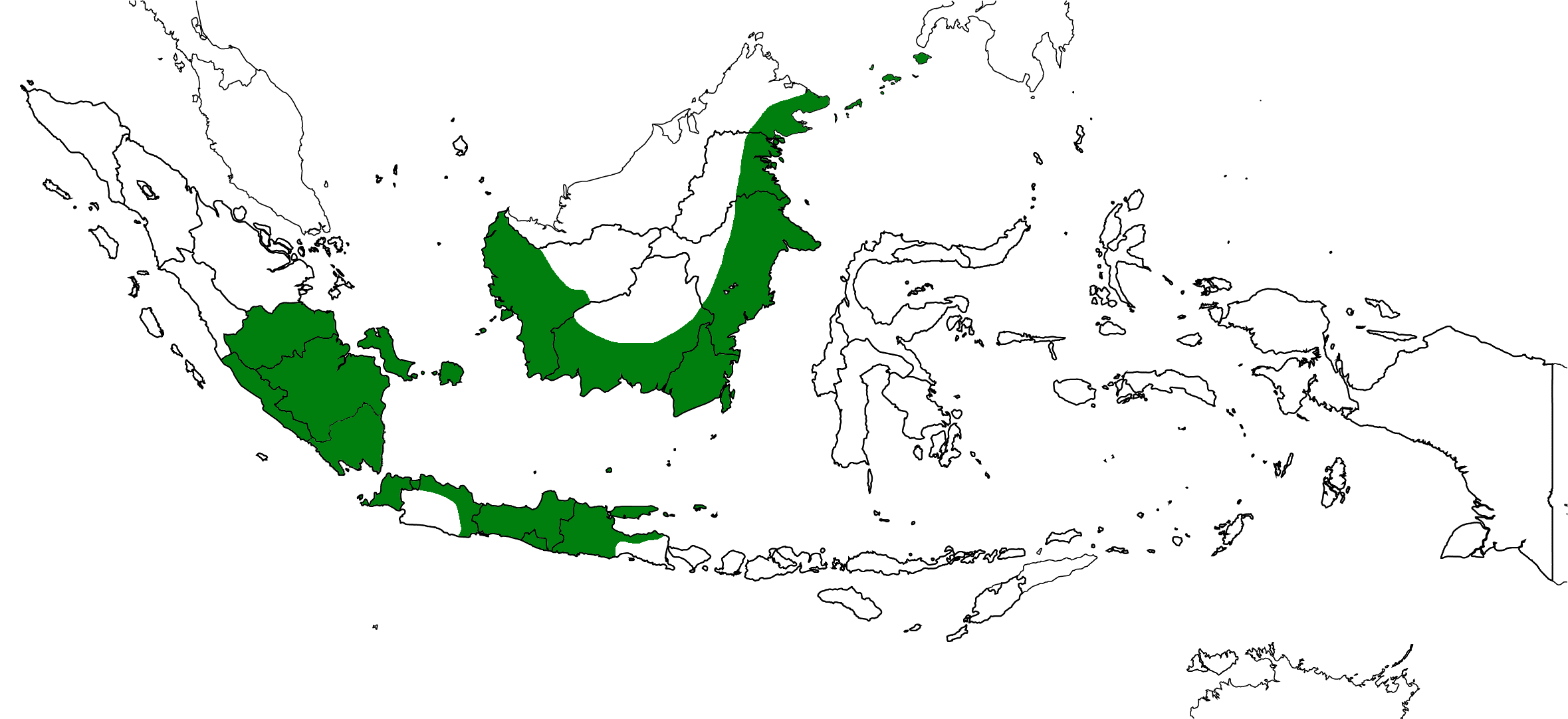
When Raden Patah declared himself sultan, he built a Grand Mosque as the centerpiece of his new government and appointed members of the Wali Songo to key positions: Sunan Kudus as qadi, the great judge of religious law; Sunan Giri as mufti; and Sunan Kalijaga as imam and advisor. The Portuguese apothecary and chronicler Tome Pires, writing in his Suma Oriental in the early 16th century, captured Demak's stature plainly: "Should de Albuquerque make peace with the Lord of Demak, all of Java will almost be forced to make peace with him. The Lord of Demak stood for all of Java." This was no exaggeration. Demak had more inhabitants than any other port in Sunda or Java and was the primary exporter of rice to Malacca. Beyond Java, Raden Patah gained overlordship of the Sumatran ports of Jambi and Palembang, which traded in agarwood and gold.
Conquest by Inheritance
Demak's rise was not simply military. Between 1513 and 1518, the sultanate waged war against Daha, the successor state of Majapahit in what is today Kediri. The main army marched overland through Madiun while the fleet, led by Pati Unus, took the sea route through Sedayu. Demak defeated Daha in 1518, but the victory rested on more than battlefield strength. Raden Patah claimed direct descent from King Kertabhumi of Majapahit, who had died during the Girindrawardana invasion of Trowulan in 1478. This claim of royal lineage made Demak's conquest palatable to Javanese elites as a legitimate succession rather than a foreign takeover. The Demak royal family continued using the Surya Majapahit, the eight-pointed sun symbol of Majapahit, modifying it only to remove Hindu associations. Raden Patah died in 1518, the same year as his greatest triumph.
The Mosque That Still Stands
Under Sultan Trenggana, who succeeded after a period of internal conflict, Demak's influence spread further east and west. Trenggana conquered Hindu resistance in Central Java and subdued the last remnants of Majapahit. He appointed his daughter Ratna Kencana, known as Ratu Kalinyamat, and her husband Sultan Hadlirin to govern Kalinyamat and Jepara. He gave Jaka Tingkir the title of Adipati of Pajang and a royal marriage. The sultanate lasted only a little more than a century before fragmenting, but its physical and spiritual legacy endures. The Demak Great Mosque, built by Raden Patah in the late 15th century with a traditional Javanese tajug stacked pyramidal roof, is widely believed to be the oldest surviving mosque in Indonesia. Its four main wooden columns, the saka guru, still support the structure using vernacular Javanese architecture.
Where Pilgrims Still Walk
Today the city of Demak on Java's north coast is quiet compared to neighboring Semarang, but it holds a venerated place among Indonesian Muslims. The tombs surrounding the Grand Mosque, the maqam of Wali saints and Demak sultans, continue to draw ziyarat pilgrimage from across the region. Later Javanese chronicles, the Babads, all describe Demak as the direct successor of Majapahit, weaving an origin story in which Raden Patah was the son of Majapahit's last king by a Chinese princess exiled from court. Whether historical fact or political mythology, the story served its purpose: it made the Islamization of Java feel less like a rupture and more like a continuation. The Surya Majapahit still decorates the interior of the Grand Mosque, an eight-pointed sun watching over five centuries of prayer.
From the Air
Located at 6.88S, 110.63E on Java's north coast, approximately 25 km east of Semarang. Ahmad Yani International Airport (ICAO: WARS) in Semarang is the nearest major airport, roughly 25 km to the west. The city of Demak sits on flat coastal lowland along the Java Sea. From altitude, the Grand Mosque compound is distinguishable in the old town center. Recommended viewing at 2,000-4,000 feet for urban detail. The surrounding area is predominantly rice paddies and aquaculture ponds.