Der Aa-kerk
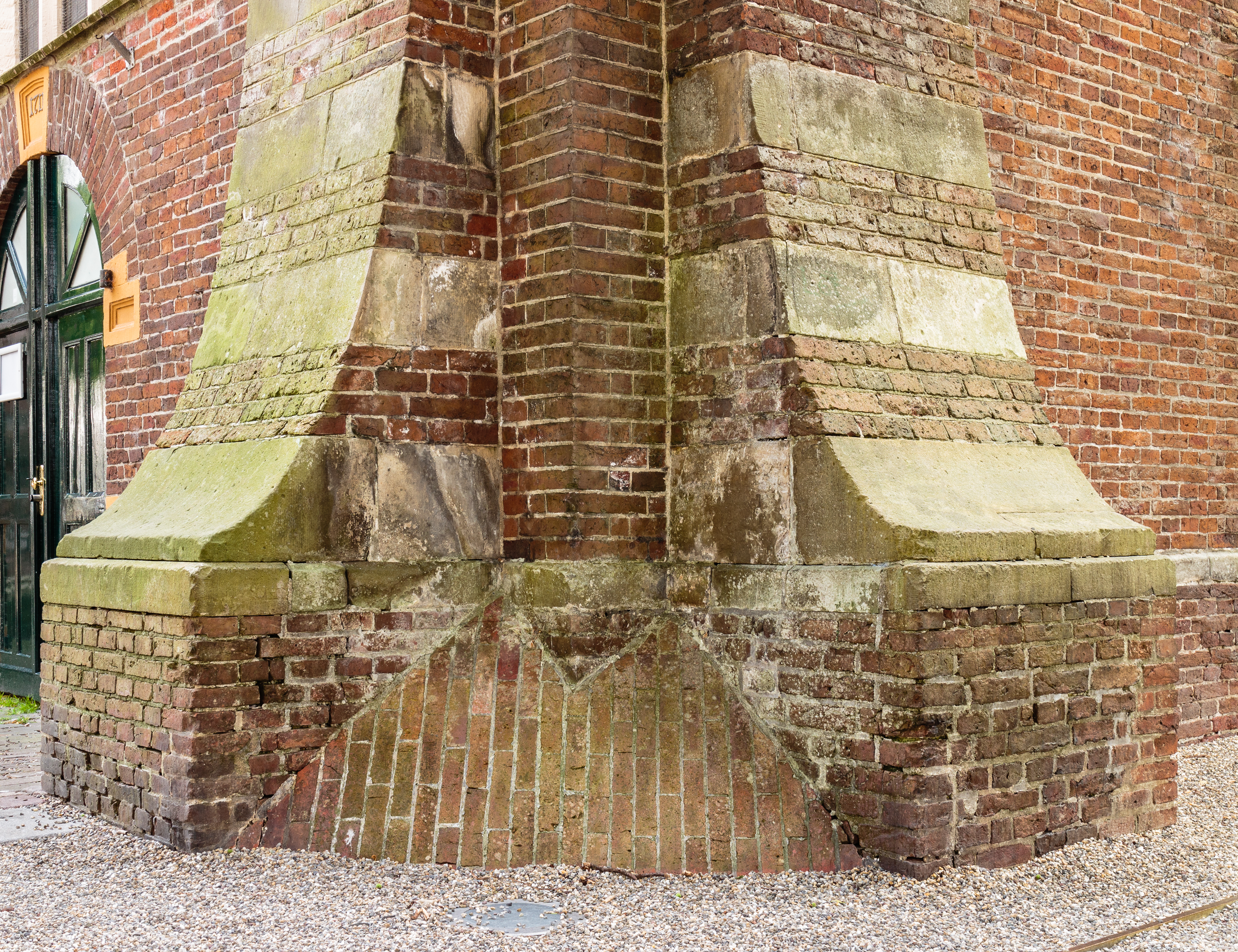
It was 23 April 1710, an ordinary spring morning in Groningen, and then the tower of the Aa-kerk fell down. No earthquake, no lightning, no obvious cause - it simply collapsed. Two people died in the rubble. Inside the church, a brand-new organ by the great Arp Schnitger, completed only thirteen years earlier, was destroyed. Anyone else might have downsized. The church wardens of Groningen rebuilt the tower within a year, and a century later they imported a second Schnitger organ to replace the lost one. The Aa-kerk does not give up easily.
Two Centres, Two Churches
Medieval Groningen grew up around two religious cores, not one. The famous Martinikerk anchored one centre. The other belonged to the Aa-kerk, set close to the river Aa where bargees moored at the Westerhaven and fishermen brought in their catch. The original building was a chapel to Mary and to Saint Nicholas, patron of fishermen and sailors - the appropriate saint for a working waterfront. The chapel was elevated to parish status in 1247 under the official name 'Onze-Lieve-Vrouwe ter Aa-kerk,' the Chapel of Our Lady at the river Aa. The fishermen and tradesmen of the western parish prayed here, married here, and were buried here. Between 1425 and 1495 the modest chapel was replaced with a Gothic brick church on a more ambitious scale.
Iconoclasm, Siege, Lightning
Few buildings in the northern Netherlands have been altered as often as the Aa-kerk, and the reasons tell the story of the region. The Reformation brought iconoclasm: the statues came down, the altars were stripped, the wall paintings whitewashed. In 1672 came the Siege of Groningen, when the bishop of Munster surrounded the city - engravings from the siege show the Aa-kerk with its tower top blown away by mortar fire. After the siege, a wooden tower top went up. Then came 1710 and the inexplicable collapse, and the rebuilding in 1711. Then, much later, a lightning strike. Each repair changed the building a little. What stands today is layered - brick from the 15th century, woodwork from after the siege, fittings from after the collapse, stone from after the lightning.
The Bells of 1714
In 1714, three years after the new tower opened, three bells were hung in it. They were cast by Crans, a foundry in Enkhuizen on the IJsselmeer that had built a reputation across the northern Netherlands. The bells sound F-sharp, D-sharp, and B. They are still rung by hand, with ropes, by people standing in the tower pulling weight against gravity in the old way. The notes have rung over Groningen for more than three hundred years - through more wars, through the German occupation, through liberation by the Canadians in April 1945, through every quiet Sunday morning in between. You can hear them in the city centre when the wind is right.
Two Schnitgers, Two Centuries
Arp Schnitger was perhaps the greatest organ builder of the European baroque, a North German master whose instruments still set the standard for the repertoire. He built his first organ for the Aa-kerk in 1697. The 1710 tower collapse destroyed it. Decades passed. Then in 1815 the church wardens brought in a different Schnitger instrument - one he had completed in 1702, originally built for the Broerkerk elsewhere in Groningen. That second Schnitger has lived inside the Aa-kerk for over two hundred years now. In 1991 a third historic organ joined it, the Rodensteen instrument of 1550 - built originally for the Martinikerk in Bolsward, transferred to the Broerkerk in Groningen in 1635, returned to Bolsward in 1877, and finally landing in the Aa-kerk in 1991, after wandering for four and a half centuries. The Aa-kerk is now one of the great organ buildings of the Netherlands.
A Concert Hall in the Heart
Church services no longer happen in the Aa-kerk. The building is officially deconsecrated, given over to concerts, theatre, exhibitions, parties, and the occasional civic ceremony. The acoustics - shaped by Gothic vaults and a brick interior tuned by centuries of musicians - have made it one of the favoured venues in northern Netherlands for choral music, baroque ensembles, and contemporary performance alike. The Schnitger organ is played regularly. The view from the Visserbrug, the bridge over the canal, frames the tower in a way that has not changed much since the 18th century. Groningen has two great medieval towers on its skyline. The Martinitoren is taller and more famous. The Aa-kerk tower is the one with the more interesting story.
From the Air
Der Aa-kerk stands at 53.22 N, 6.56 E, in the historic centre of Groningen. The tower rises 75 meters above the surrounding rooftops and is one of the two great spires on the city skyline, paired with the taller Martinitoren about 500 meters to the east. Groningen Airport Eelde (EHGG) is roughly 10 km south. From low altitude on a clear day, the brick tower and steeply pitched nave roof are unmistakable just west of the Grote Markt.