The Desert Tortoise Natural Area: Where the Slow Survive
In the western Mojave Desert, north of Los Angeles, a 40-square-mile preserve protects an animal that was here before humans invented civilization. The desert tortoise can live 80 years, survive a year without water, and spend 95% of its life underground in burrows it digs with stubby, shovel-like legs. These tortoises watched mammoths walk this desert. They've survived ice ages, droughts, and the transformation of California into the world's fifth-largest economy. What they can't survive, apparently, is us. Disease, ravens (whose populations exploded thanks to human garbage), off-road vehicles, and habitat destruction have reduced their numbers by 90% since the 1970s. The preserve is a last refuge - fenced, monitored, and desperately trying to save the slow from the fast.
The Tortoise
Desert tortoises are built for survival in impossible conditions. Their bladders store water for months; their metabolism slows in drought; their burrows maintain temperatures 30 degrees cooler than the surface. They eat wildflowers and grasses in spring, storing water and fat for the dry months. A tortoise can go a year without drinking, processing the moisture in plants, surviving on reserves when nothing grows. They mature slowly - females don't reproduce until age 15-20 - and live long, potentially 80 years in the wild. This strategy worked perfectly for millions of years. Against roads, ravens, and respiratory disease, it's failing.
The Threats
Ravens love tortoise hatchlings. Their populations have exploded near human developments - landfills, rest stops, suburbs - giving them easy food while they hunt the desert for baby tortoises. Upper respiratory tract disease spread through the population in the 1990s, possibly from released pet tortoises; it's now endemic. Roads kill adults who venture across - a tortoise trying to cross a highway has no chance against a car. Off-road vehicles crush burrows. Solar and wind developments consume habitat. Each threat alone might be survivable; together, they've reduced populations by 90%. The tortoise that survived everything is being erased by accumulating impacts.
The Preserve
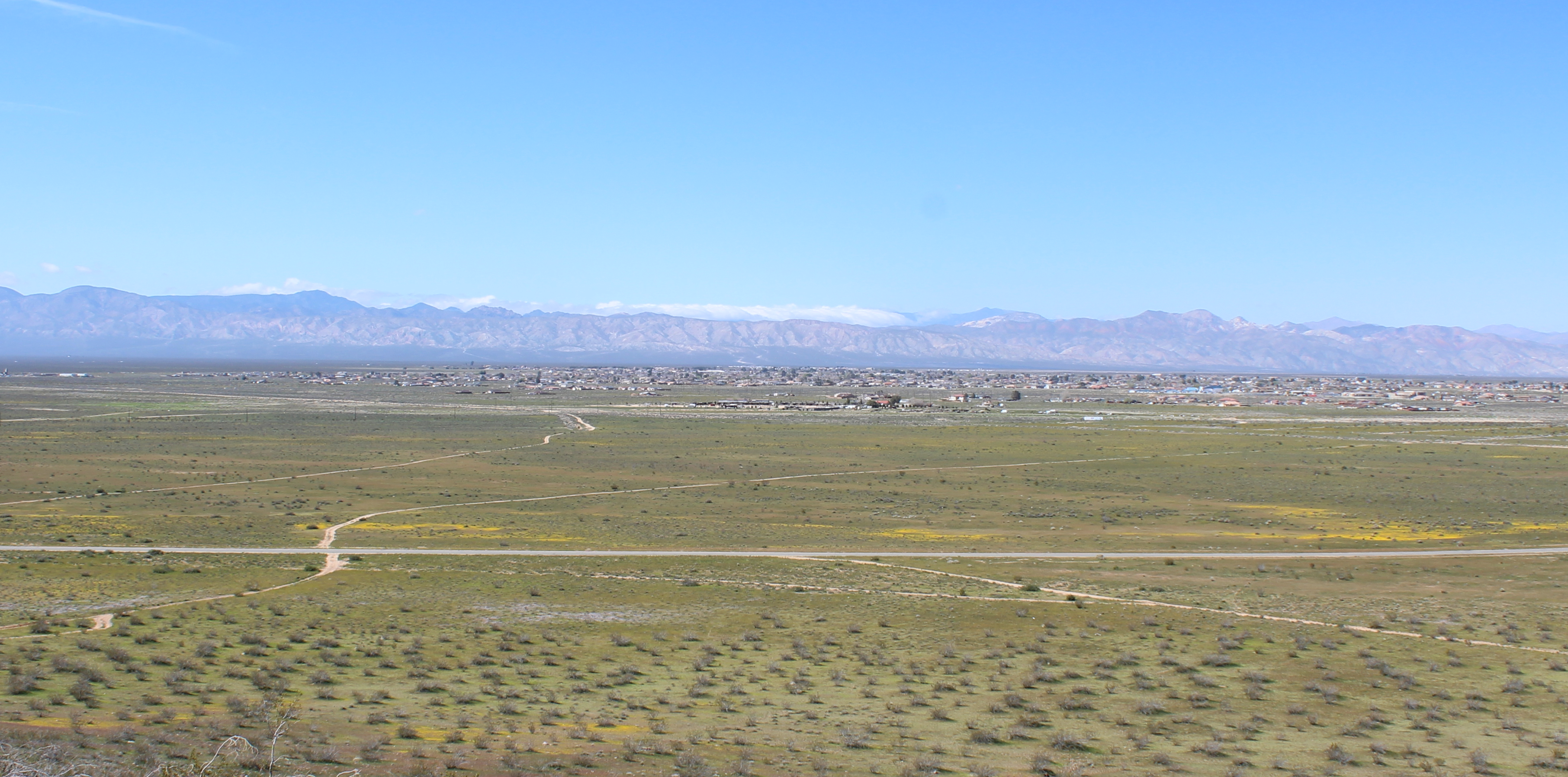
The Desert Tortoise Natural Area was established in 1973 as one of California's first critical habitat preserves. Its 40 square miles are fenced to exclude off-road vehicles, managed to discourage ravens, and monitored to track population health. Spring brings wildflowers and tortoise activity; the rest of the year, the tortoises are underground, invisible. The preserve demonstrates both the possibility and limitations of protection: within fences, tortoises survive better than outside. But the fences can't stop ravens, can't cure disease, can't reverse the climate change making droughts longer and wildflowers scarcer. The preserve buys time. Whether time is enough remains uncertain.
The Future
Desert tortoises are federally threatened - one step from endangered. Recovery plans call for habitat protection, raven control, disease management, and public education. Progress is slow (fitting for tortoises). Climate change complicates everything: hotter, drier conditions mean less food, more stress, and population models that trend downward. Some scientists advocate head-starting programs - raising hatchlings in protected facilities until they're too large for ravens to kill. Others argue that wild populations must survive naturally or the species is lost. The debate continues while the tortoises wait underground, doing what they've always done: surviving slowly, hoping the fast ones stop destroying their world.
Visiting the Desert Tortoise Natural Area
The Desert Tortoise Natural Area is located off Highway 14 in Kern County, California, approximately 3 miles east of California City. The preserve is open year-round; best visiting is March through May when wildflowers bloom and tortoises are active. A self-guided nature trail loops through tortoise habitat; interpretive signs explain the ecosystem. Bring water, wear sun protection, and stay on trails - walking off-trail can collapse burrows. If you see a tortoise, observe from a distance; handling causes them to empty their bladders, potentially fatal water loss. The nearest services are in California City. Los Angeles is 90 miles south. The Mojave Desert is harsh; the tortoises make it look easy. It isn't.
From the Air
Located at 35.05°N, 117.88°W in the western Mojave Desert. From altitude, the Desert Tortoise Natural Area appears as undeveloped creosote scrubland - no structures, no roads, just desert surrounded by the fences that protect it. California City is visible to the west, a planned city that never fully materialized. Edwards Air Force Base is to the north. The terrain is flat desert basin, tan and brown except when spring rains bring brief wildflower blooms. Solar installations are visible in surrounding areas - the same desert that tortoises need is valuable for renewable energy. From altitude, the preserve looks like any other patch of desert; the tortoises are underground, invisible, waiting.