Devils Tower: The Sacred Stone Hollywood Made Famous
It rises 867 feet from the Wyoming prairie, a column of igneous rock so geometrically perfect it seems designed. Devils Tower - a name imposed by white settlers who ignored what the Lakota called it: Mato Tipila, Bear Lodge. The column is sacred to over 20 Indigenous nations, each with origin stories explaining its dramatic columnar jointing as claw marks from a giant bear. It was also America's first national monument, designated by Theodore Roosevelt in 1906. Then Steven Spielberg put it in 'Close Encounters of the Third Kind,' and everything changed. Now the tower hosts a complicated trinity: climbers who see it as challenge, tribes who see it as church, and tourists who see it as movie set.
The Geology
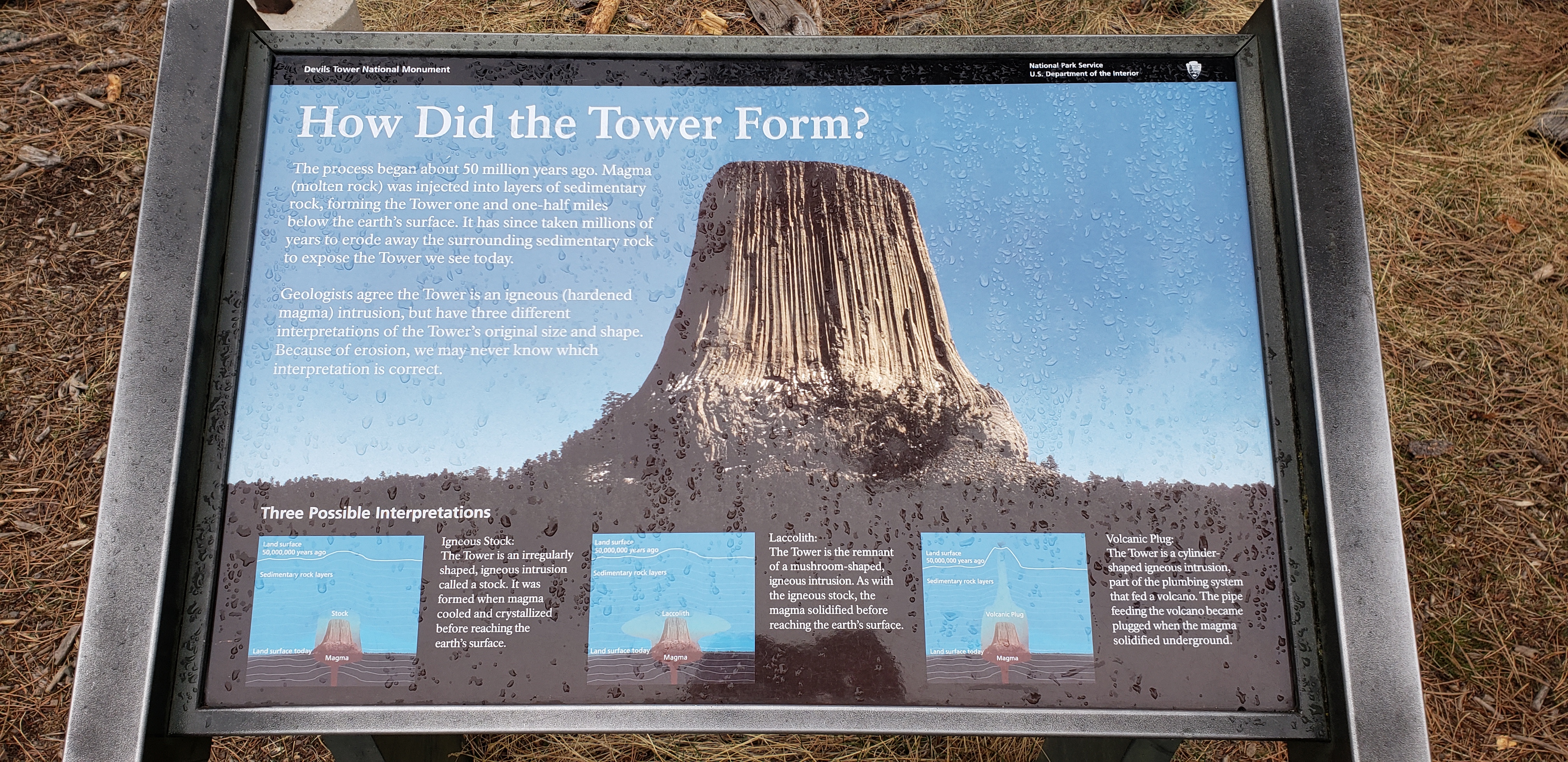
Devils Tower formed 50 million years ago as magma intruded into sedimentary rock. As it cooled, the magma contracted, forming the hexagonal columns that give the tower its distinctive appearance - like a bundle of pencils standing on end. Erosion removed the softer surrounding sediments over millions of years, leaving the harder igneous core standing alone. The columns are remarkable: some are four feet wide, others eight feet, all roughly hexagonal, all vertical. Similar formations exist elsewhere - Giant's Causeway in Ireland, for example - but Devils Tower's scale and isolation make it unique. The geology creates a landscape feature that transcends geology, becoming symbol and icon.
The Sacred
For the Lakota, Cheyenne, Crow, Kiowa, and other tribes, the tower is sacred. Origin stories vary in detail but share themes: children fleeing from a bear, climbing a rock that rises beneath them, the bear's claws scoring the columns as it tries to reach them. The names given by Indigenous peoples - Bear Lodge, Bear's Tipi, Tree Rock - reflect relationships with the land predating European contact by millennia. Ceremonies and vision quests have occurred here for generations. When the government named it 'Devils Tower,' imposing Christian demonology on Indigenous sacred geography, the insult was compounded by decades of ignoring tribal spiritual connections. The tower's meaning depends on who's doing the meaning-making.
The Climbing
Rock climbers discovered Devils Tower in 1893 when local rancher William Rogers built a wooden ladder to the summit. Technical climbing began in 1937; today over 4,000 climbers attempt routes annually. The columns offer excellent crack climbing - jamming hands and feet into the gaps between hexagonal pillars. Over 200 routes exist, ranging from moderate to extremely difficult. Climbing brings economic benefit to local communities and intense experience to climbers. It also conflicts with Indigenous spirituality: to climb someone's church, in their view, is desecration. The Park Service requests voluntary climbing closures during June, when many ceremonies occur. Compliance is high but not universal. The conflict continues.
The Movie
Steven Spielberg's 1977 film 'Close Encounters of the Third Kind' made Devils Tower a global icon. In the film, the tower is the predetermined contact point between humans and aliens - its distinctive shape appearing in visions that compel the protagonist's pilgrimage. Filming at the actual tower created lasting association; visitors still arrive expecting extraterrestrial significance. The movie brought tourism and recognition but also trivialization - the sacred reduced to science fiction backdrop. Indigenous activists note the irony: their spiritual connection to the tower ignored for a century, then displaced by a Hollywood fantasy. Close Encounters turned the tower into something it wasn't while overlooking what it was.
Visiting Devils Tower
Devils Tower National Monument is located in northeastern Wyoming, approximately 30 miles from Sundance via Highway 14. The monument is open year-round; visitor center hours vary seasonally. A 1.3-mile paved trail circles the tower's base - accessible and spectacular. Climbing requires registration and technical skill; June voluntary closure should be respected. Prairie dogs populate the surrounding grassland. The KOA campground at the monument entrance appears in Close Encounters. Lodging is available in Sundance and Hulett. The Black Hills of South Dakota are nearby. Visiting during June allows witness to Indigenous ceremonies (observe respectfully from distance). The experience rewards both quick visits and extended contemplation.
From the Air
Located at 44.59°N, 104.72°W in the Bear Lodge Mountains of northeastern Wyoming. From altitude, Devils Tower is unmistakable - a dark vertical column rising from rolling green terrain, casting a shadow disproportionate to its footprint. The Belle Fourche River curves around the tower's base. The surrounding landscape is Black Hills foothills: pine forest, grassland, deeply carved valleys. The monument boundary is visible as slightly different land management. The approach roads are visible; the parking area and visitor center appear at the tower's base. Nothing else in the visible landscape resembles the tower - it stands alone, whether interpreted as geological anomaly, sacred site, or alien landing zone.