Discovery Island (Bay Lake)
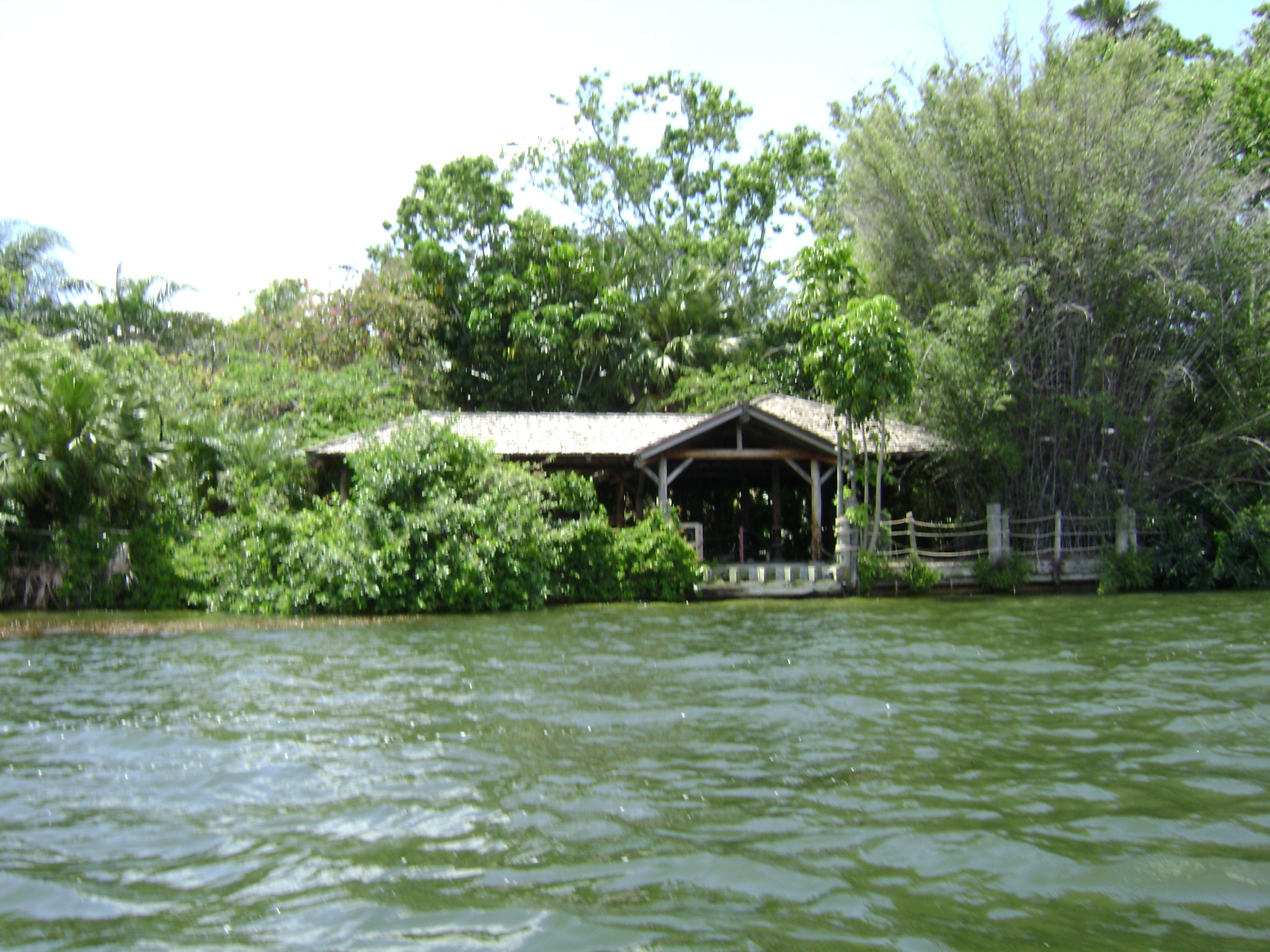
In the middle of Bay Lake, surrounded by the polished resorts and carefully managed magic of Walt Disney World, an island sits abandoned. Discovery Island has been closed to the public since 1999, its aviaries empty, its walkways crumbling under subtropical growth. From the monorail or the deck of Disney's Wilderness Lodge, you can see it clearly -- a tangle of green rising from the water, close enough to touch but permanently off-limits. It is the strangest thing Disney owns: a ruin it refuses to tear down, a place where the company's relentless drive for control simply stopped.
Radio Nick's Island
Long before Disney arrived, the island belonged to the Raz family, who gave it its first name from 1900 to 1937. Then came Delmar "Radio Nick" Nicholson, a colorful character who bought the 11.5-acre island for just $800 in the late 1930s. He renamed it "Idle Bay Isle" and lived there for twenty years with his wife and a pet crane, growing exotic plants in the Florida heat. When Nicholson fell ill, the island changed hands again, became "Riles Island," and served as a private hunting retreat. Disney purchased it in 1965 as part of the massive, secretive land acquisition that would become Walt Disney World. The island's days as a quiet backwater were numbered.
Treasure in the Lake
On April 8, 1974, the island opened to guests as Treasure Island, a wildlife attraction accessible only by boat. Visitors wandered paths lined with tropical vegetation to encounter macaws, cockatoos, lemurs, capuchin monkeys, trumpeter swans, flamingos, and five Galapagos tortoises. At its peak, the island housed approximately 150 birds and small primates. Avian Way featured what was then the most extensive breeding colony of scarlet ibis in the United States. The park eventually earned recognition as a zoological park and was renamed Discovery Island. It even moonlighted as a film set -- the climax of the 1976 movie Treasure of Matecumbe was shot here, the island doubling for a Florida Key.
Shadows in Paradise
Not everything was picture-perfect. In 1989, People for the Ethical Treatment of Animals accused Disney of mistreating vultures that had landed on Discovery Island. Disney confirmed that some vultures died during capture by employees. State and federal officials charged the company with 16 counts of animal cruelty. The charges were eventually settled, but they cast a shadow over the island's cheerful zoological mission. Meanwhile, attendance was never strong -- the boat ride to reach it was an inconvenience, and the island lacked the thrill rides that drew crowds elsewhere in the resort. By the mid-1990s, admission was just $12.67 for adults.
The Day the Boats Stopped
Discovery Island closed to the public on April 8, 1999, exactly twenty-five years to the day after it opened. The animals were relocated to Disney's Animal Kingdom, which had opened the previous year and offered a grander, more modern version of the same wildlife experience. Disney's Animal Kingdom even borrowed the name, calling its central hub area "Discovery Island." The original island simply went dark. Disney never officially explained the closure, though the combination of poor attendance, high maintenance costs, and the new Animal Kingdom made the reason obvious. The buildings, aviaries, and walkways remained in place. Nobody came to take them down.
The Island That Time Forgot
For over two decades, Discovery Island has sat in a state of suspended decay. Hurricane damage and subtropical humidity have taken their toll on the structures, but all original buildings remain. Disney once considered a partnership with Cyan Worlds to transform the island into a real-life version of Myst, the puzzle-adventure video game, where visitors would solve riddles while exploring. The plan never materialized. Instead, the island became an irresistible target for urban explorers. In 2009, Shane Perez published photographs from an unauthorized visit. In 2020, a man was arrested after camping on the island for days, telling authorities he thought it was a "tropical paradise" and claiming he did not know it was off-limits. From the water, the island remains clearly visible -- a green, silent presence in the middle of Disney's carefully choreographed world, proof that even the most controlled place on Earth has corners it cannot quite manage.
From the Air
Located at 28.414N, 81.567W in Bay Lake, within the Walt Disney World Resort property. The island is clearly visible from altitude as a distinct green landmass in the middle of Bay Lake. Nearby landmarks include Disney's Contemporary Resort to the northeast, Disney's Wilderness Lodge to the northwest, and the Magic Kingdom park to the north. The Seven Seas Lagoon lies just north of Bay Lake. Nearest airport is Orlando Executive (KORL) approximately 15nm east. Orlando International (KMCO) is about 18nm southeast. Recommended viewing altitude: 2,000-3,000 feet AGL for clear island detail.
Sources
- Discovery Island (Bay Lake) - Wikipedia
- Deseret News - Animal Cruelty Charges Dropped After Disney Turns Kinder to Birds
- CBR - How Myst Island Was Almost Built at Walt Disney World
- Orange County Register - Disney World Trespasser on Discovery Island 2020
- RetroWDW - Pre-Disney History of Discovery Island