Dongzhimen
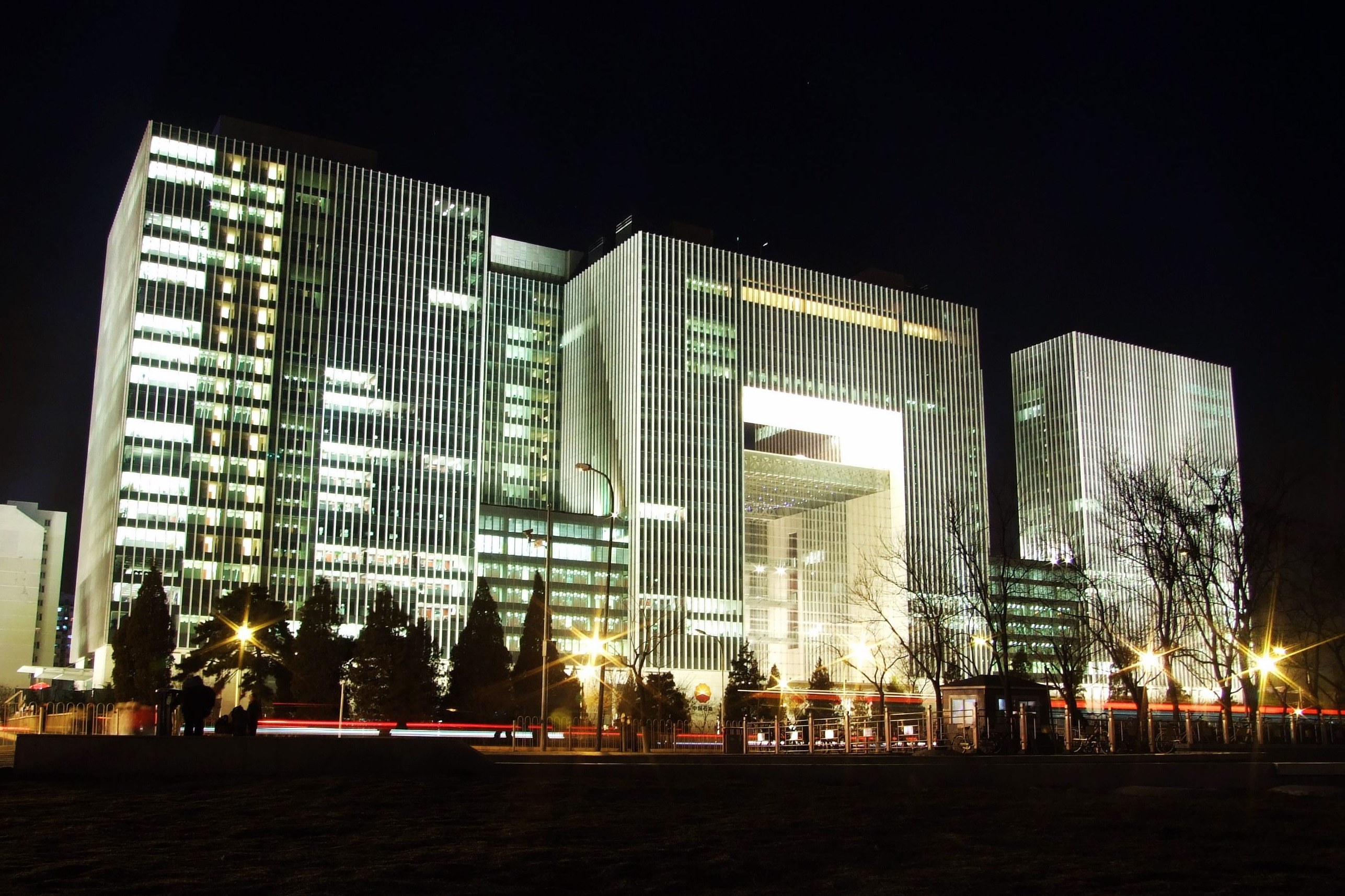
The gate is gone, but the name endures as one of the busiest intersections in eastern Beijing. Dongzhimen was once a gate in the city's fortifications, part of the walled perimeter that defined the capital for centuries. Today it is a transportation node where three subway lines converge, hundreds of bus routes originate, and the road leads directly to Beijing Capital International Airport. The China National Petroleum Corporation headquarters towers over the intersection, a glass-and-steel landmark that has replaced the archery tower and barbican that once marked this threshold between the city and the countryside beyond.
Ghost Street at Midnight
Walk west from Dongzhimen along Dongzhimen Inner Street and you enter Guijie, one of the most famous food streets in Beijing. The name is written with the character for gui meaning a round-mouthed bamboo food vessel, but the sound is identical to the character for ghost, and Beijingers cheerfully call it Ghost Street. The street stretches for over a kilometer, and ninety percent of its commercial space is devoted to restaurants -- more than 150 eateries serving everything from Sichuan hotpot to Xinjiang lamb skewers. Red lanterns line the street, and many restaurants stay open well past midnight, feeding the taxi drivers, students, and night owls who keep eastern Beijing alive after the subway stops running. The nickname may be accidental, but the atmosphere it conjures -- neon, steam, and the clatter of late-night dining -- fits perfectly.
Where the Subway Lines Cross
Dongzhimen Station is one of Beijing's most important transit interchanges. Line 2, which traces the path of the old city wall around the Inner City, meets Line 13, which has its eastern terminus here, and the Capital Airport Express, which provides a direct rail link to the airport. Above ground, an extensive public bus hub fans out from the station, with routes reaching far beyond the city limits. Buses numbered above 800 depart from a long-distance station area, serving destinations across northern China. Special tourist buses head to the Great Wall at Badaling, while other routes reach the mountains, caves, and suburban districts like Pinggu that lie north of the capital. The convergence of rail, bus, and expressway traffic at a single point makes Dongzhimen the functional equivalent of what the old gate once was: the place where you decide whether you are coming or going.
Diplomats and Bar Streets
East of Dongzhimen, Dongzhimen Outer Street leads into Beijing's Northern Diplomatic Area, where embassies and international organizations cluster behind the walled compounds that give this part of the city its particular character. The road continues to the 3rd Ring Road and the National Agricultural Exhibition Hall. Just a kilometer and a half to the south lies Sanlitun, the bar and nightlife district that has served as the social center for Beijing's expatriate community for decades. The proximity of diplomatic compounds, international nightlife, and a transportation hub that links directly to the airport has made the Dongzhimen area a natural gathering point for the foreign community. The old gate once marked the boundary between the capital and the world outside. In a different sense, it still does.
From the Air
Located at 39.94N, 116.43E in northeastern Beijing's Dongcheng District. The PetroChina headquarters building is a prominent landmark at the intersection. Nearest airport is Beijing Capital International Airport (ZBAA), approximately 23 km northeast via the Airport Expressway that begins here.