The Donner Party: The Shortcut That Led to Cannibalism
In the spring of 1846, 87 men, women, and children set out from Illinois for California, seeking a better life in the West. They would become the most infamous wagon train in American history. Delayed by a supposed shortcut that added weeks to their journey, the Donner Party reached the Sierra Nevada just as the first winter storms struck. They were trapped at 6,000 feet elevation, in snow that would reach 22 feet deep. By the time rescue parties arrived the following spring, 41 of the 87 were dead. And some of the survivors had stayed alive by eating the flesh of those who hadn't.
The Shortcut
The decision that doomed the Donner Party was made at a fork in the trail in present-day Wyoming. The main route to California went north, around the Great Salt Lake. But a new guidebook by Lansford Hastings promised a faster route - the Hastings Cutoff - that went south of the lake and shaved weeks off the journey.
Hastings had never actually traveled his cutoff with wagons. The route was untested. Several travelers warned the Donner Party against it. But the promise of saved time was too appealing. On July 31, 1846, the party left the main trail and headed south. The shortcut would cost them a month.
The Delay
The Hastings Cutoff was a disaster. The party had to hack their way through the Wasatch Mountains, clearing trees and moving boulders to create a road. They crossed 80 miles of salt desert with no water, losing oxen and abandoning wagons. Tensions frayed. Violence broke out.
By the time they rejoined the main California Trail, they were far behind schedule. October arrived and they were still on the wrong side of the Sierra Nevada. They pushed forward as fast as they could, hoping to cross the mountains before winter set in. They didn't make it.
The Trap
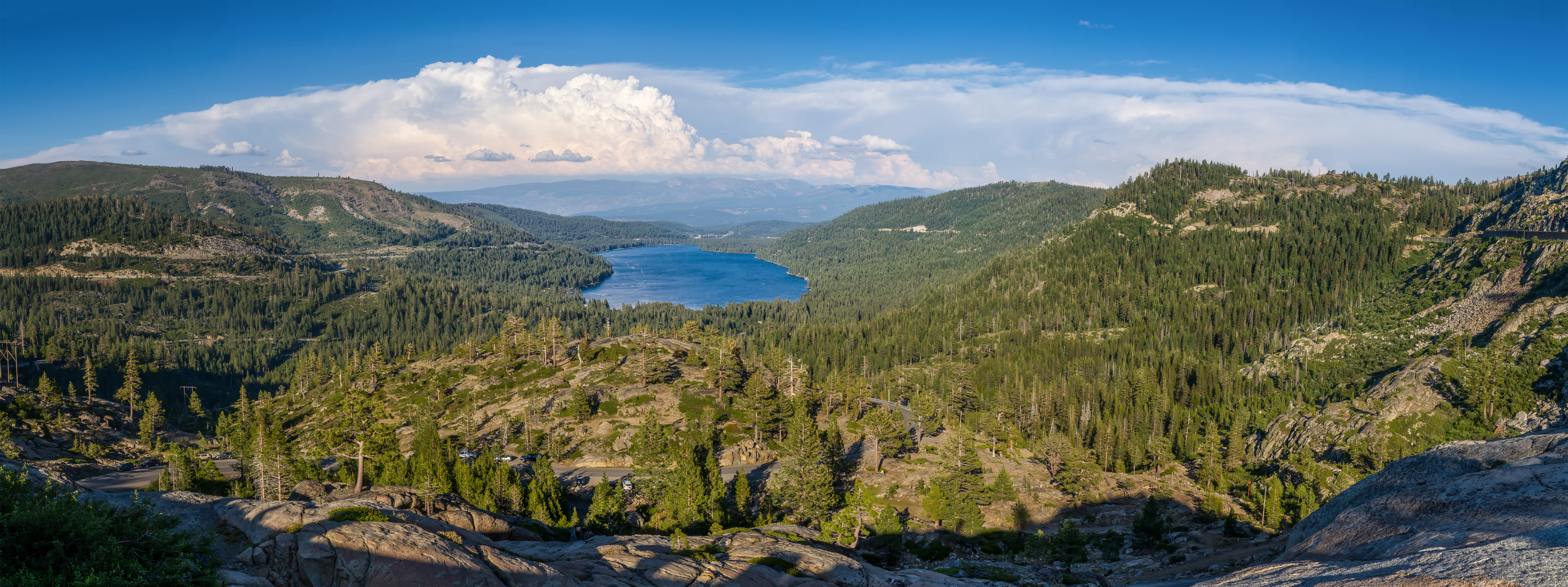
The first snow fell on October 28, 1846, as the Donner Party camped near Truckee Lake (now Donner Lake) at the eastern base of the Sierra pass. They tried to cross the next day but found the pass blocked by five feet of snow. They retreated to the lake and built cabins to wait out the storm.
The storm didn't stop. Snow fell through November, through December, through January. It reached depths of 22 feet. The cattle died and were buried. The lake froze. The trees were stripped of bark. The 87 pioneers were trapped with dwindling supplies and no way out.
The Hunger
By mid-December, the party was starving. A group of 17 - later called the Forlorn Hope - set out on snowshoes to cross the mountains and bring back help. Only seven survived. When their food ran out, they ate the bodies of those who had died. It was the only way to live.
Back at the lake, conditions were worse. People ate boiled leather, bones, bark, and eventually each other. The first confirmed cannibalism occurred in late February. By the time rescue parties finally reached the camp in mid-March, the survivors were surrounded by the butchered remains of those who hadn't made it.
The Legacy
Of the 87 members of the Donner Party, 41 died - nearly half. Women survived at much higher rates than men. Children survived at higher rates than adults. The survivors carried the stigma of cannibalism for the rest of their lives, though most refused to speak of what they had done.
The Donner Party became a cautionary tale about the dangers of untested shortcuts and the harshness of the American West. Donner Pass, where they were trapped, became a major railroad and highway route across the Sierra Nevada. Today, Interstate 80 and Amtrak's California Zephyr pass within sight of where 41 people died waiting for spring.
From the Air
Donner Lake (39.32N, 120.24W) lies at the eastern base of Donner Pass in the Sierra Nevada. Reno-Tahoe International Airport (KRNO) is 50km northeast. Lake Tahoe is 15km south. The terrain is rugged mountain forest at 6,000 feet elevation. Interstate 80 and the railroad cross Donner Pass above the lake. A state park and museum mark the site. Weather is mountain continental - heavy winter snow, mild summers.