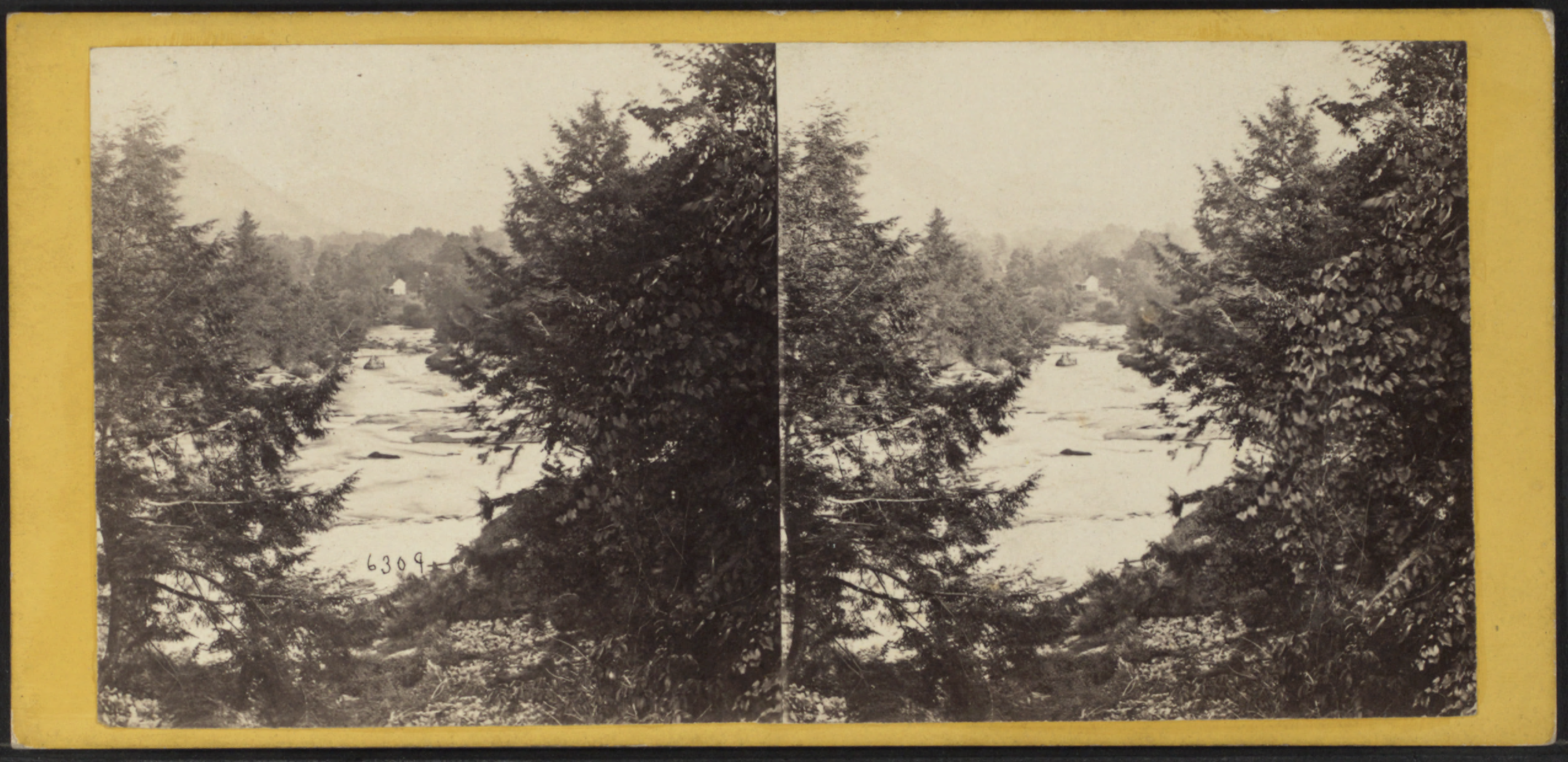
Dudleytown: Connecticut's Cursed Village
The Dark Entry Forest Preservation Association doesn't want you visiting Dudleytown. That's the point. The abandoned settlement in northwestern Connecticut has accumulated centuries of legend: demonic possession, mass insanity, disappearances, suicides, a curse dating to the Dudley family's arrival in 1747. The stories are almost certainly fiction. The village was simply a failed farming community on poor soil, abandoned when industry drew residents to nearby towns. But the legends persist, and the landowners who control the site have decided that mystery is more valuable than truth. Dudleytown is now posted against trespassing, patrolled for violators, inaccessible to anyone seeking to investigate. The curse remains unexamined. The stories grow.
The Settlement
Dudleytown was never a town. The Dudley family settled the area in the mid-1700s, joined by other families working the thin, rocky soil. At its peak, perhaps 26 families lived in the scattered settlement - not a village, but a loose collection of farmsteads in the hills above Cornwall. The location was marginal: steep terrain, poor growing conditions, distant from markets. As the Industrial Revolution offered factory work in valley towns, residents left. By 1900, Dudleytown was effectively abandoned. Trees reclaimed the pastures. Foundations crumbled. What remained was emptiness, and emptiness invites stories.
The Legends
The curse stories emerged in the early 20th century. According to legend, the Dudley name carried a curse from England - several Dudleys were beheaded for treason, including Edmund Dudley in 1510. The curse supposedly followed the family to Connecticut, manifesting as demonic activity, insanity among residents, strange disappearances. Specific tales attached to specific families: the Carters driven mad, the Greeleys vanished, epidemics and suicides sweeping through the community. Researchers who've examined period records find no evidence - no unusual death rates, no documented madness, no 'curse' in any contemporary source. The legends are modern inventions, probably created by ghost-story enthusiasts.
The Protection
Dr. William Clarke and his wife Harriet formed the Dark Entry Forest Preservation Association in 1924, purchasing Dudleytown lands for conservation. The intent was ecological - the site contains old-growth hemlock forest and sensitive habitat. But the prohibition against visitors created unintended mystery. What was there to hide? Why the strict rules? Ghost hunters and curiosity seekers began viewing Dudleytown as forbidden treasure, its inaccessibility proving something sinister. The Association insists the restrictions are purely environmental. The ghost hunters don't believe them. Each trespasser arrested becomes another story about what Dudleytown protects.
The Truth
Historians and researchers find nothing unusual about Dudleytown except the stories. The village failed because the site was agriculturally marginal - many New England hill farms suffered similar fates during the Industrial Revolution. The 'curse' legends have no documented origin before the 1970s. The demonic activity has no witnesses beyond anonymous internet accounts. What remains is foundation remnants in a forest, made mysterious by inaccessibility and imagination. The truth is mundane; the legend is eternal. Dudleytown proves that prohibition creates intrigue, that what can't be examined can't be debunked.
Visiting Dudleytown
You cannot visit Dudleytown. The site is private property owned by the Dark Entry Forest Preservation Association, which strictly prohibits access. Trespassing signs are posted; violators are prosecuted. Local police patrol the area and arrest unauthorized visitors regularly. The desire to see the 'cursed village' drives people to break laws and face consequences. Connecticut offers many genuinely historic sites: the Yale campus, Mystic Seaport, Mark Twain's house in Hartford. None have curses. All are legally accessible. Dudleytown's appeal is precisely that you can't go there - the mystery preserved by keeping everyone out.
From the Air
Located at 41.86°N, 73.33°W in the Litchfield Hills of northwestern Connecticut. From altitude, Dudleytown is invisible - forest has fully reclaimed the settlement, and nothing distinguishes it from surrounding woodland. The area is part of the Dark Entry Forest, a private preserve with no public access. The town of Cornwall lies in the valley below. The Housatonic River flows to the west. The landscape is classic New England: forested hills, small villages, stone walls running through woods. Whatever curse legends attach to Dudleytown, nothing from altitude suggests anything unusual about a hillside that was briefly farmed and then abandoned to trees.