The Dyatlov Pass Incident: Nine Hikers, One Frozen Mystery
In February 1959, nine experienced hikers set out to climb Otorten in the northern Ural Mountains. They never returned. When search parties found them weeks later, the mystery only deepened. The group had cut their way out of their tent from the inside and fled into -30°C temperatures wearing little clothing. Some had fractured skulls and chest injuries with no external wounds. One woman was missing her tongue. Soviet investigators concluded they had died from a 'compelling natural force' and closed the case. Sixty years of speculation have offered everything from avalanches to secret weapons to UFOs - but no definitive answer.
The Group
The nine were experienced outdoors people - eight students and graduates of Ural Polytechnic Institute, plus their sports instructor. Led by 23-year-old Igor Dyatlov, they planned to cross the northern Urals on skis and climb Otorten, a challenging peak whose name means 'Don't Go There' in the local Mansi language.
The group departed on January 25, 1959. Their route was remote but not technically difficult for experienced hikers. They were expected back by February 12. When they failed to arrive, their families raised the alarm. By then, it was already too late.
The Tent
Search parties found the group's tent on February 26, on the slopes of Kholat Syakhl - 'Dead Mountain' in Mansi. The tent was half-collapsed and covered in snow. Inside were the hikers' belongings, food, and equipment. Outside, leading down the slope toward the treeline, were footprints - some barefoot, some in socks.
Most disturbing: the tent had been cut open from the inside. Whatever caused the group to flee, they hadn't taken time to use the entrance. They had slashed their way out into a Siberian winter night wearing almost nothing, leaving behind the equipment that might have saved them.
The Bodies
The first two bodies were found at the treeline, nearly a mile from the tent - frozen in their underwear near the remains of a small fire. Three more, including Dyatlov, were found between the tree and the tent, apparently trying to return. It took two more months to find the last four, buried under 13 feet of snow in a ravine.
These final four showed the strangest injuries. Lyudmila Dubinina had major chest fractures and was missing her tongue, eyes, and lips. Semyon Zolotaryov had similar chest trauma. The injuries showed no external wounds - as if their chests had been crushed by enormous force without touching the skin.
The Theories
The Soviet investigation concluded with an impossibly vague verdict: death by 'compelling natural force.' The case was classified. Speculation has never stopped. An avalanche could explain flight from the tent, but the slope wasn't steep enough. Some theories invoke secret military tests, infrasound causing panic, or a confrontation with local Mansi people.
More exotic explanations include UFOs, the Soviet yeti, escaped prisoners, or paradoxical undressing from severe hypothermia. In 2020, Russian investigators announced that a small delayed avalanche was the likely cause - but many researchers remain unconvinced. The mystery endures.
The Legacy
The pass where they camped was renamed Dyatlov Pass in their memory. The mountain, Kholat Syakhl, still looms over the site. Memorial plaques mark where each hiker was found. Hundreds of people make the trek each year to see where nine friends died in circumstances that have never been adequately explained.
The Dyatlov Pass incident has become one of the most analyzed unexplained deaths in history - the subject of books, documentaries, films, and endless online debate. Perhaps the true horror isn't that something terrible happened, but that after sixty years of investigation, no one can say what. Some mountains keep their secrets.
From the Air
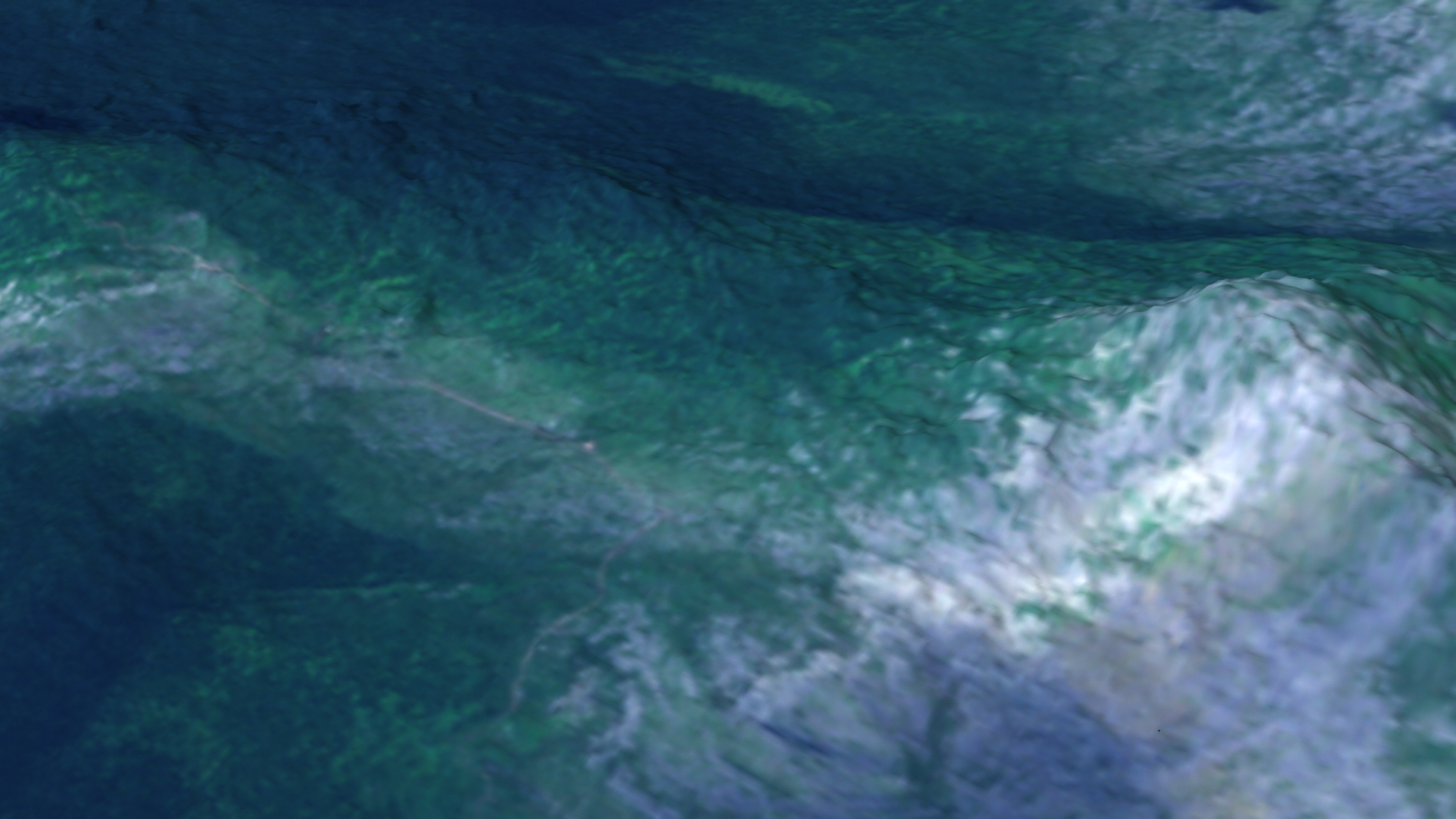
Dyatlov Pass (61.76N, 59.46E) lies in the northern Ural Mountains of Russia. The nearest significant airport is Ivdel, about 70km southeast - a small facility. Yekaterinburg Koltsovo (USSS) is 450km south. The terrain is mountainous taiga transitioning to tundra. Weather is severely continental - winters bring temperatures to -40°C with heavy snow.