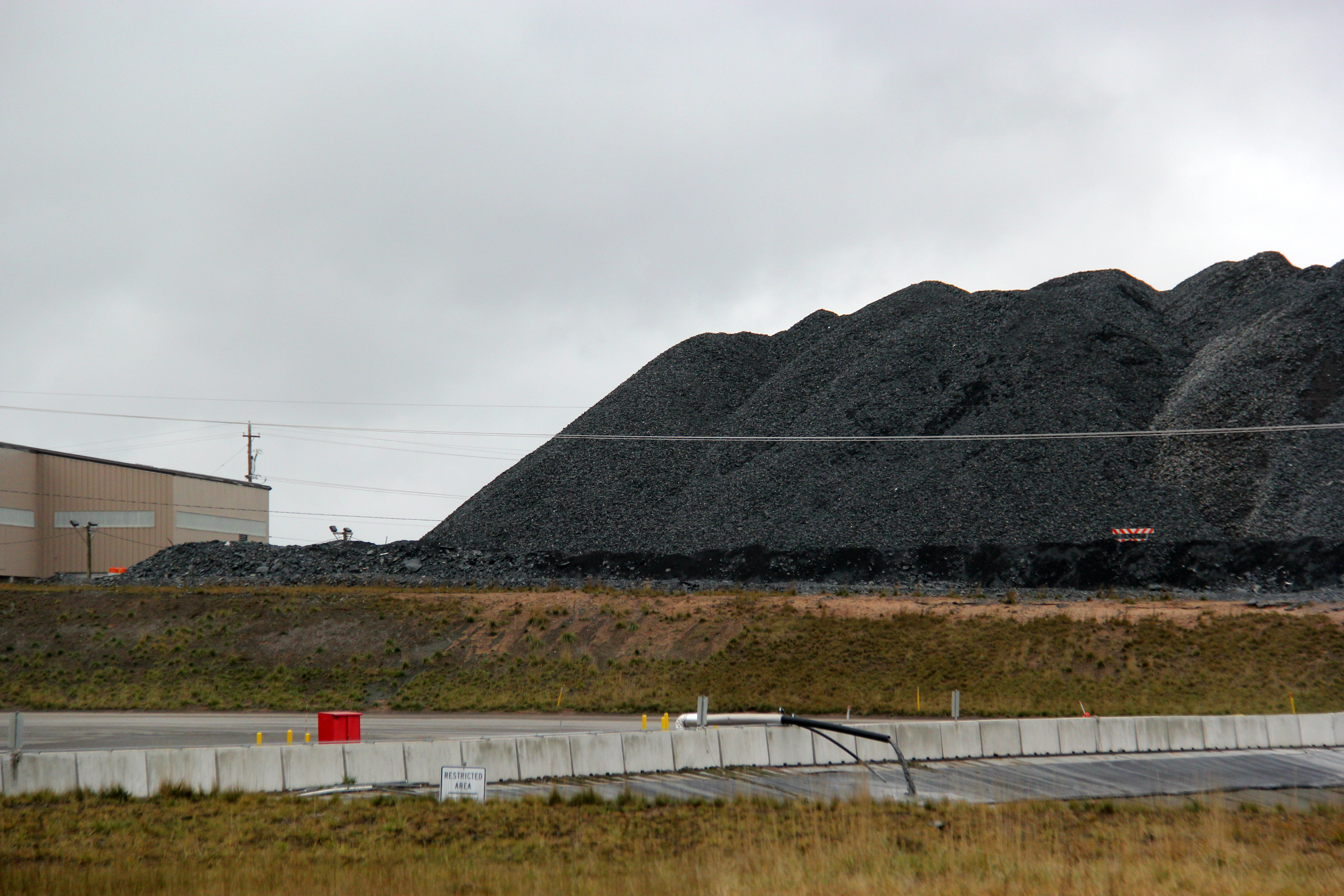
Eagle Mine
In September 2021, a Porsche Taycan electric crossover drove down a ramp into the earth beneath Michigan's Upper Peninsula, descending more than 1,700 feet below sea level. Then it drove to the summit of Pikes Peak in Colorado. The total altitude change -- roughly three vertical miles -- set a Guinness World Record. But the starting point was the real story. Eagle Mine sits on the Yellow Dog Plains south of Big Bay, an expanse of boreal forest and wetland that gives no surface hint of what lies beneath: the only operating primary nickel mine in the United States, and a deposit that took over a billion years to reach human hands.
A Rift in Deep Time
The ore at Eagle Mine owes its existence to the Midcontinent Rift, a tectonic event that began tearing North America apart approximately 1.1 billion years ago. Magma surged up through the fracturing crust and cooled into igneous rock, trapping nickel, copper, cobalt, platinum, palladium, silver, and gold in concentrations dense enough to mine. The deposit covers roughly six acres, with the bottom of the ore body sitting about 1,000 feet below the surface. It is a small mine by global standards, but a remarkably rich one. Over its estimated life from 2014 to 2027, Eagle is projected to yield 440 million pounds of nickel and 429 million pounds of copper, along with trace precious metals. The nickel is especially significant: it is a critical ingredient in the lithium-ion batteries that power electric vehicles, making this remote patch of the Upper Peninsula a quiet but essential link in America's energy transition.
Into the Decline
Eagle is a decline-accessed underground mine, meaning there are no elevator shafts dropping straight down. Instead, a steady ramp spirals into the earth, wide enough for specialist mining vehicles to drive in and out. This ramp plunges to 1,774 feet below sea level, making Eagle the deepest point in the United States where a car can be driven. Surface construction began in 2010 and underground work followed in 2011. Production started in September 2014, ahead of schedule and on budget. The surface facilities are deliberately compact, and ore processing happens offsite at the nearby Humboldt Mill, a repurposed former iron-ore milling facility. As sections of the mine are exhausted, they are backfilled. When mining eventually ceases, both the mine and the mill are slated for full reclamation to their natural state -- a promise embedded in the permitting conditions.
Sacred Ground, Contested Ground
The Yellow Dog Plains are not just geologically significant. Members of the Keweenaw Bay Indian Community consider the mine site sacred, and the project's permitting process became one of Michigan's most contentious environmental battles. When Kennecott Minerals (later acquired by Lundin Mining) applied for permits in 2007, the Michigan Department of Environmental Quality initially approved, then withdrew approval after failing to release documents about the mine's crown pillar. A subsequent investigation cleared the agency of wrongdoing, and permits were reissued in December 2007. But opposition did not end there. In 2010, environmental activists and members of Native American tribes protested at the site. The Keweenaw Bay Indian Community filed suit over potential groundwater contamination. In 2014, a three-judge panel on the Michigan Court of Appeals ruled that state regulators had acted within their authority. The mine went forward, but the debate it sparked about indigenous land rights and environmental risk in the Upper Peninsula has not faded.
Three Miles Up
The Guinness World Record attempt that began at the bottom of Eagle Mine in September 2021 was more than a publicity stunt. Porsche chose the Taycan 4S Cross Turismo specifically because it was one of the few electric vehicles capable of handling both the mine's underground terrain and the 14,115-foot summit of Pikes Peak. The team drove more than 1,400 miles between the two points, stopping only to charge the car and rest the drivers, completing the journey in under 34 hours. The total altitude change exceeded three vertical miles. It was a fitting pairing: a mine producing the very nickel that goes into EV batteries, hosting the launch of a record-setting electric drive. Two months after the record was officially recognized in early 2022, it made national headlines and gave this remote Upper Peninsula mine a moment in the spotlight far beyond the mining industry.
From the Air
Eagle Mine is located at 46.746N, 87.881W on the Yellow Dog Plains in Marquette County, Michigan's Upper Peninsula. From the air, the mine's surface facilities are modest and set within dense boreal forest south of Big Bay; look for cleared areas and access roads amid the tree cover. The nearest major airport is Marquette Sawyer Regional (KSAW), approximately 20nm to the southeast. Recommended viewing altitude: 3,000-5,000 feet AGL for surface facility detail. The surrounding Yellow Dog Plains and Lake Superior shoreline to the north provide striking visual contrast between wilderness and industrial activity.