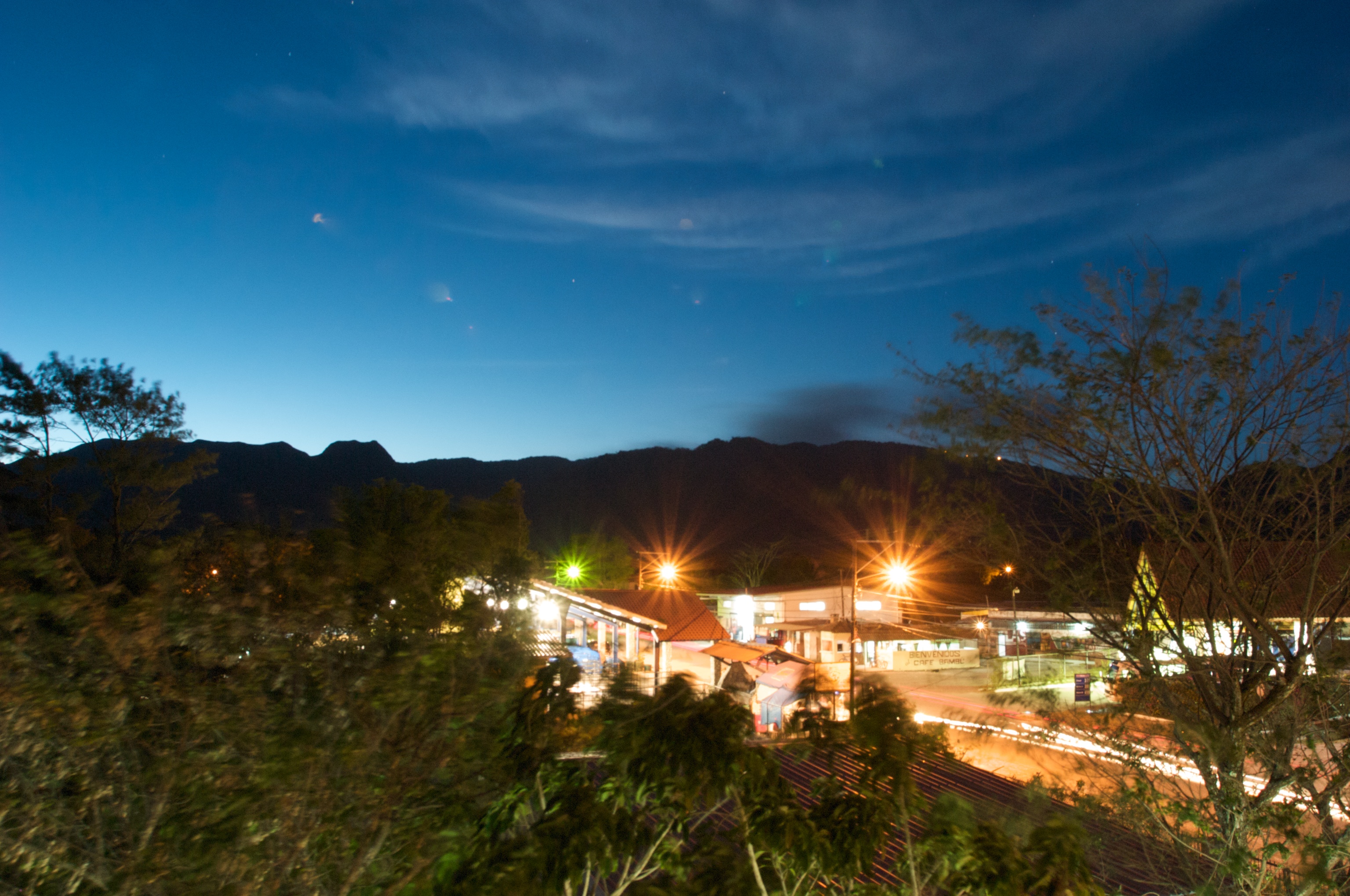
El Valle de Anton
Stick a fence post into the ground in El Valle de Anton and it may start growing leaves. The soil here -- volcanic black earth called tierra negra -- is so fertile that horticulturists across Panama buy it by the bag. This is what happens when a volcanic crater spends millennia as a deep lake, then springs a leak: the water drains away and leaves behind some of the richest growing medium on Earth. El Valle sits in that drained caldera, a seven-square-mile village at 2,000 feet elevation in Cocle Province, surrounded on all sides by the walls of the ancient volcano. People have been living here for more than 11,000 years, making it the oldest continuously inhabited volcanic site in the world.
The Crater That Became a Village
El Valle's caldera is a natural amphitheater. The volcanic walls rise around the flat valley floor, catching clouds that drift in from the Pacific and trapping moisture that feeds the lush vegetation below. The cool elevation -- a welcome reprieve from Panama's coastal heat -- attracted wealthy Panamanian families as early as the twentieth century, and the village became a favored weekend retreat. But the indigenous communities who preceded them had already been here for millennia, swimming the same streams and climbing the same ridgelines. The first real road arrived in 1927, built with donated funds and community labor, tracing the path of the builder's horse as it meandered up the mountain. It was not repaved until 1997. That seventy-year gap says something about El Valle's relationship with the outside world: accessible, but not in a hurry about it.
Bicycles, Not Traffic Jams
On the flat caldera floor, the bicycle is king. During what passes for rush hour, families glide down the main street, sometimes three or four to a bike, unhurried and unbothered. There is no fast food in El Valle. The village runs on small restaurants, four mini-supermarkets stocking fresh meat and dry staples, a farmers' market, an ice cream parlor, a sports bar, and a weekend pizza vendor. This is pre-Canal Panama -- the interior country that existed before highways, banks, and consumerism reshaped the cities along the coast. The distinction matters. El Valle feels like a place that has chosen its pace deliberately, not one that simply lacks the infrastructure for speed. New Age practitioners have settled here for what they describe as the valley's spiritual energy, adding yoga studios and spa treatments to the mix. When the sun goes down, the town follows it.
Where Macaws Meet Square Trees
The biodiversity numbers for Panama are staggering: 10,000 plant species, 1,500 tree species, 1,000 bird species, 220 mammal species, and 354 amphibian and reptile species across the country. El Valle and the cloud-shrouded Cerro Gaital National Monument nearby harbor a significant share. An orchid conservatory in town protects specimens from across Central America, and the amphibian rescue center -- one of the few in the world -- works to save frog species from the chytrid fungus devastating populations worldwide. Among the local oddities is a grove of square-trunked trees, a botanical curiosity that draws visitors and defies easy explanation. Waterfalls tumble down the crater walls, pre-Columbian petroglyphs mark boulders along hiking trails, and a canopy tour strings ziplines through the forest overhead. The local zoo, though modest in its facilities, houses several species that are otherwise nearly impossible to spot in the wild.
Weekend Market, Weekday Quiet
On weekends, El Valle's open-air market transforms the village center. Produce that would look unfamiliar in any North American grocery aisle shares tables with handmade molas from Kuna artisans, carved wood, and herbs sold for medicinal purposes that predate European contact. The market is the social hub -- where farmers from the surrounding hills meet weekenders from Panama City, where gossip circulates as freely as the fragrance of fresh fruit. During the week, the market empties and the village returns to its baseline quiet. Accommodation ranges from fifteen-dollar camping to comfortable hillside lodges, all of it described charitably as spartan. The restaurants serve Panamanian standards -- rice, beans, chicken, and fish -- alongside a handful of Italian spots that reflect the international community that has slowly filtered in. El Valle remains less than an hour's drive from the Pan-American Highway, yet it occupies a different century.
From the Air
Located at 8.60N, 80.13W in the interior of Cocle Province, central Panama. The volcanic caldera is clearly visible from altitude as a circular depression in the surrounding mountain ridgeline, with the flat valley floor and village nestled inside. The crater walls rise above the valley, often catching clouds. Nearest major airport is Tocumen International Airport (MPTO) in Panama City, approximately 120 km to the east. The Pan-American Highway runs along the Pacific coast to the south. The terrain within the caldera is flat, but the surrounding ridges reach well above 2,000 feet. Cloud cover is common, especially on the Pacific-facing slopes.