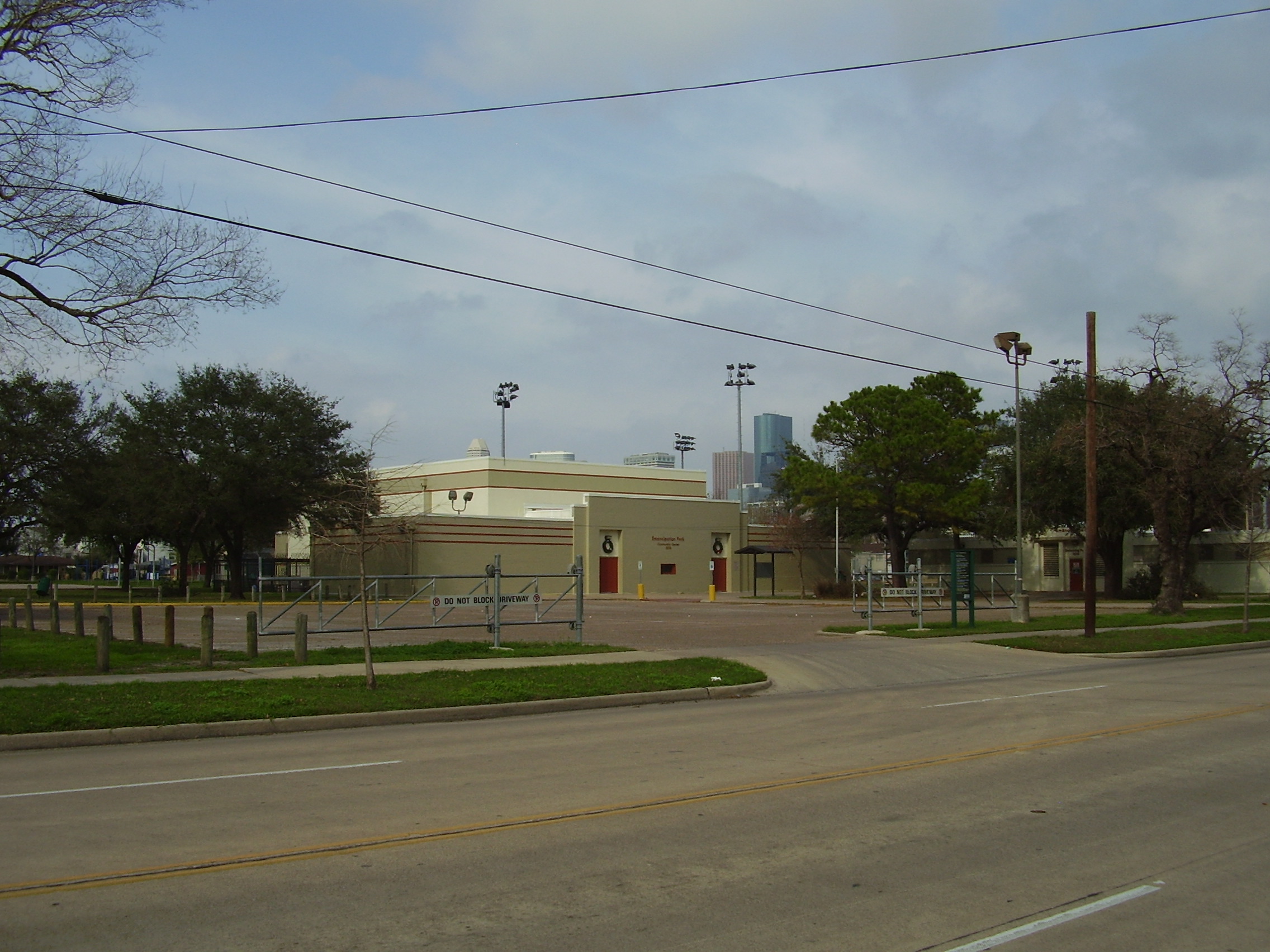
Emancipation Park: Houston's Sacred Ground of Freedom
Four men pooled $800. In 1872, just seven years after the end of slavery in Texas, Richard Allen, Richard Brock, Jack Yates, and Elias Dibble -- all members of the Antioch Missionary Baptist Church and Trinity Methodist Episcopal Church -- purchased a parcel of parkland in Houston's Third Ward. They had a single, defiant purpose: to create a place where Black Texans could celebrate their freedom. They named it Emancipation Park, and it became the site of Houston's Juneteenth celebrations, the living heart of a community that had been told for generations it had no right to gather, no right to rejoice, no right to own land at all. That $800 purchase would outlast Jim Crow, survive decades of neglect, and eventually earn recognition from UNESCO -- making it one of the most significant plots of ground in American civil rights history.
Eight Hundred Dollars and a Promise
The men who bought Emancipation Park were led by Jack Yates, a formerly enslaved man who had become a prominent minister in Houston. The purchase was an act of profound intention. During Reconstruction, Black Texans had nowhere to gather publicly for Juneteenth -- the June 19 holiday marking the day in 1865 when enslaved people in Texas finally learned of their emancipation, more than two years after the Emancipation Proclamation. The new park gave them that space. Because the owners lacked funds to keep it open year-round, the park was originally used solely for Juneteenth celebrations. In 1916, the park was donated to the City of Houston, and it expanded into a year-round gathering place with a recreation center, walkways, restaurants, a swimming pool, and a bathhouse. During the Jim Crow era, Emancipation Park was the only public park in the area available to African Americans -- making it not just a celebration ground but a lifeline.
When the Music Stopped
The integration era brought a painful paradox to Emancipation Park. As legal barriers fell in the 1960s and 1970s, wealthier Black families left the Third Ward for neighborhoods that had previously excluded them. The departure drained the community of resources and attention. The park that had once hosted concerts, musical performances, and the city's most vibrant Juneteenth festivities fell into disrepair. The swimming pool deteriorated. The recreation center aged. By 2007, the park had stopped hosting Juneteenth celebrations altogether -- a silence that felt like a betrayal of the four men who had bought the land specifically so that freedom could be celebrated there. The park that had survived slavery's aftermath and Jim Crow was being killed by indifference.
Friends in the Fight
The revival began with two Third Ward natives. In 2006, Carol Parrott Blue and Bill Milligan formed "Friends of Emancipation Park" to rescue the site from its decline. Their board was established in March 2007. That November, the Houston City Council voted unanimously to declare Emancipation Park a historic landmark, with Council Member Carol Alvarado introducing the resolution. The momentum built: the city invested $2 million of its own money, secured $4 million from the OST/Almeda Corridors Redevelopment Authority and $1 million from the Texas Parks and Wildlife Department. Mayor Annise Parker made public appeals for donations in 2012. Groundbreaking for a $33 million renovation occurred on October 26, 2013. The project took years, but when the renovated park reopened in 2017, Juneteenth celebrations returned -- the music, the gathering, the joy that Jack Yates and his companions had purchased with $800 a century and a half earlier.
A Name That Tells the Truth
In 2016, the city addressed an uncomfortable irony: the street bordering Emancipation Park was named Dowling Avenue, after Richard W. Dowling, a Confederate soldier. The Houston Planning Commission passed a resolution to rename it Emancipation Avenue, and in January 2017, the Houston City Council voted unanimously to make the change permanent. The renaming was more than symbolic -- it was a correction, aligning the landscape with the history that actually mattered on that ground. In 2019, the park received international recognition when it was designated a UNESCO Slave Route Project site. Today the community center includes an indoor gymnasium, weight room, and meeting rooms; the park offers lighted sports fields, tennis courts, a swimming pool, a playground, and picnic areas. William Ward Watkin's 1938 swimming and recreation complex still stands. The park that four men bought for $800 is now valued not in dollars but in what it represents: the oldest park in Texas, and proof that freedom, once seized, can endure.
From the Air
Located at 29.74°N, 95.36°W in Houston's Third Ward, southeast of downtown. Emancipation Park is a small urban park not individually visible from altitude, but sits within the dense Third Ward residential grid. The University of Houston campus is visible approximately 1 nm to the southeast. Nearest airports: William P. Hobby Airport (KHOU) approximately 8 nm south, and George Bush Intercontinental (KIAH) 20 nm north. The downtown Houston skyline serves as the primary visual reference for locating the Third Ward area.