Eredivisie (women)
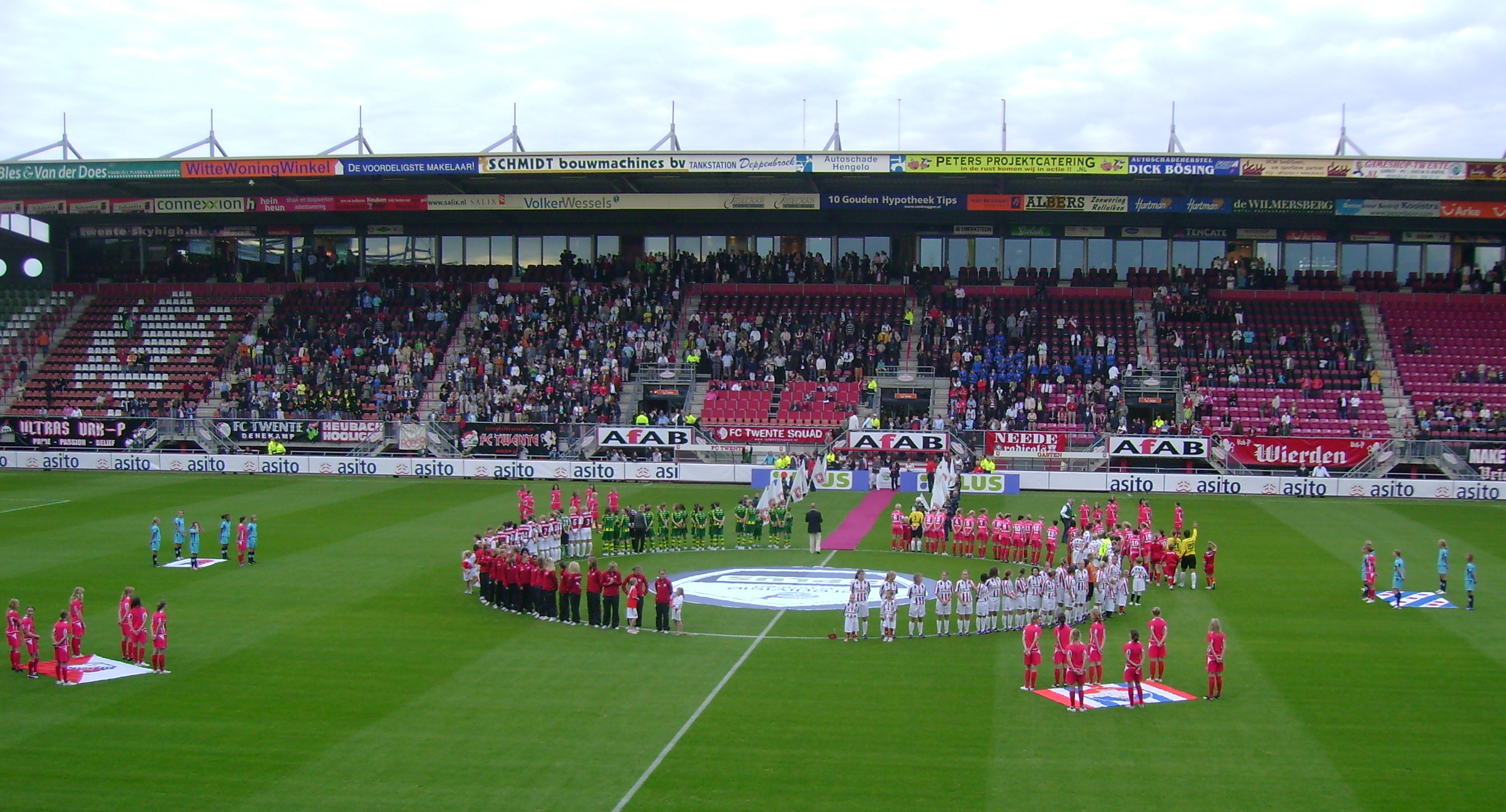
August 29, 2007. Five thousand five hundred people in Enschede watched FC Twente kick off against sc Heerenveen at the Arke Stadion. Seventy-three seconds in, Twente scored the first goal in the history of the Eredivisie Vrouwen, the new top women's football league of the Netherlands. Heerenveen came back to win 3-2. Karin Stevens of Willem II would finish that first season with twenty goals, though it was AZ who took the championship. The Dutch national women's team had never qualified for a World Cup, never qualified for a UEFA Championship, never qualified for the Olympics. The KNVB had decided this was unacceptable. Six clubs, divided national-team players, a start-up subsidy, and a five-year plan to grow the league to ten or twelve teams. That was the bet.
The Years That Almost Killed It
The bet nearly failed. Roda JC joined in 2008 and withdrew a year later over money. AZ won three straight titles and then, in February 2011, announced it was pulling out for financial reasons. Willem II quit the next day. PSV said it would not enter. FC Utrecht announced it was leaving, reversed course, announced it again. Heerenveen quit and unquit. The KNVB extended deadlines repeatedly. ADO Den Haag managed to win the 2011-12 title in the chaos, and then the KNVB and its Belgian counterpart announced a different idea altogether: merge the two leagues into a combined BeNe League. The Dutch Eredivisie Vrouwen, five years old, was shut down. Players, coaches, and fans who had built something fragile watched it be folded into a bigger, less Dutch competition that lasted three seasons and folded too.
Restart and the Lionesses
Something else was happening in the meantime. The Dutch national team, the Oranje Leeuwinnen, was getting good. They qualified for their first Euro in 2009, their first World Cup in 2015, and then, on home soil in 2017, they won the European Championship. Suddenly Dutch women's football was the most exciting thing in Europe. In 2015, the league had quietly restarted with seven clubs, joined by Ajax and PSV, both of whom had founded women's teams in 2012. FC Twente won the first restart title in 2016. Ajax took 2017. The big men's clubs that had previously refused to invest now competed seriously. Star players like Jill Roord, Lieke Martens, and Vivianne Miedema came up through the system, then mostly left for England and Germany where wages were higher.
Twelve Clubs, Then Ten
In 2020, the league rebranded to Vrouwen Eredivisie and adopted a stylized lioness as its logo. Feyenoord joined in 2021. Fortuna Sittard and Telstar came in for 2022-23, taking the league to eleven. FC Utrecht returned in 2023-24 and AZ Alkmaar took over from VV Alkmaar, bringing the count to twelve. It was the most clubs the league had ever held. Then the math caught up. In April 2025, Fortuna Sittard dissolved its women's team. NAC Breda took the slot. The day after that announcement, the league declared it would contract to ten teams for 2026-27, install a proper promotion and relegation pyramid for the first time, and split the second tier into Eerste and Tweede Divisie. In September 2025, Telstar's licence was transferred to a brand-new women's-only club in Amsterdam called Hera United. After almost two decades, the Eredivisie was finally building the structure the original 2007 business plan had imagined.
What the Numbers Hide
FC Twente has now won the Eredivisie ten times, more than any other club, including three BeNe League titles when they were the best Dutch team in the combined league. Ajax has three titles. PSV has emerged as the third force. ADO Den Haag, who won in 2011-12 just before the BeNe League absorbed everything, still plays out of The Hague at WerkTalent Stadion. The crowds are nothing like the men's game. The salaries are modest by international standards. ESPN broadcasts every match in the Netherlands, which gives players visibility but does not pay rent in Amsterdam. The story of women's football here is the story of a sport that the Dutch federation, after years of neglect, decided to professionalize at exactly the moment the national team became unstoppable. Now it has to keep building, not for the Oranje on the world stage, but for the eleven-year-old girl in Velsen or Heerenveen who finally has a league she can play in.
From the Air
The Vrouwen Eredivisie is administered from KNVB headquarters in Zeist; the league's geographic centre of gravity, including ADO Den Haag, lies in the western Netherlands near 52.06 N, 4.30 E. Clubs span the country, from Enschede in the east (FC Twente) to Heerenveen in the north and Sittard in the deep south. Cruise the Randstad at FL080 in clear weather to pick out The Hague's WerkTalent Stadion. Nearest airports: Rotterdam The Hague (EHRD), Amsterdam Schiphol (EHAM).