Escondido, California
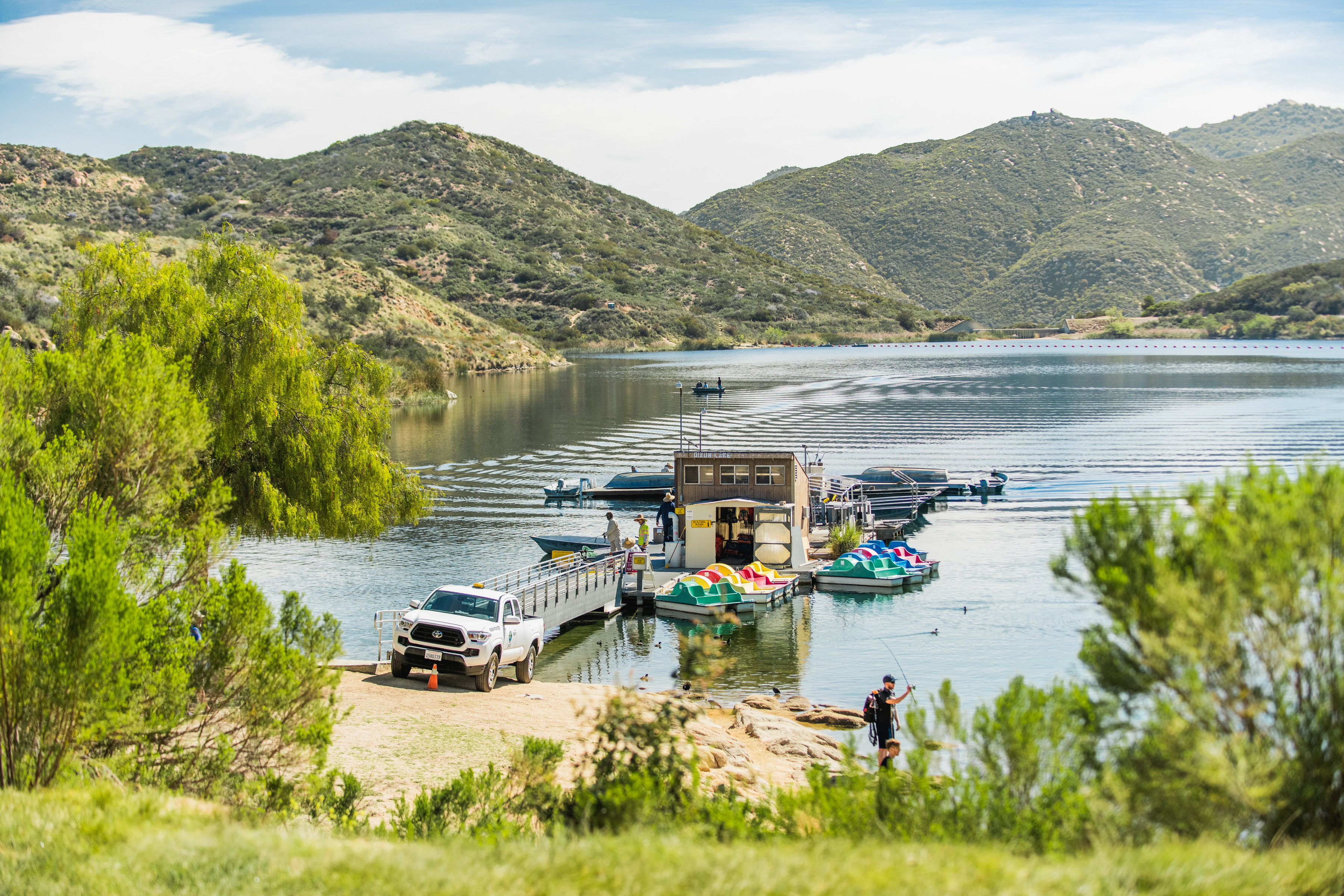
Escondido means hidden in Spanish, and the name is geographically honest. The valley sits behind a coastal ridge that blocks the marine layer that keeps the Pacific coast cool and gray for much of the summer. What the ridge keeps out, it also keeps in: Escondido runs warmer and drier than the coastal cities twelve miles to the west, a thermal pocket that made it hospitable to agriculture when San Diego County's economy depended on it and that makes it a different kind of place to live than the coast. The Luiseño people who inhabited this valley before Spanish settlement called it Mixéelum Pompáwvo. It became a Spanish rancho, then an American township, then an incorporated city in 1888. In 2020, its population was 151,038 — the second-largest city in San Diego County.
The Rancho and What Followed
The land that became Escondido was part of Rancho Rincon del Diablo — the Corner of the Devil — a Mexican land grant whose dramatic name reflected the terrain rather than any particular incident. American settlement followed the usual pattern: survey, subdivision, railroad connection. Escondido was platted in 1885 and incorporated three years later, when the Southern California land boom was still inflating values and drawing settlers north from San Diego. The agricultural economy that followed focused on grapes initially — Escondido produced wine before Prohibition ended that industry — and shifted to avocados, citrus, and other tree crops as the climate's specific virtues became better understood. The Battle of San Pasqual, the bloodiest land battle of the Mexican-American War in California, was fought in the valley north of Escondido in December 1846.
The Craft Beer Capital
Stone Brewing moved its headquarters to Escondido in 2006, establishing a campus that includes a brewery, restaurant, and gardens in a former industrial site near downtown. Stone's arrival marked a shift in Escondido's identity: the city that had been known primarily as a suburban alternative to coastal San Diego developed an association with craft brewing that drew visitors who would not otherwise have come inland. The association strengthened as the craft beer industry expanded across San Diego County in the 2010s — Escondido became one node in a county-wide brewing geography that made the region one of the densest craft beer markets in the United States. Dr. Bronner's Magic Soaps, headquartered in Vista just west of Escondido, and the San Diego Safari Park, operated by San Diego Zoo Wildlife Alliance in the hills to the northeast, add to an institutional landscape that has made the inland San Diego suburbs more than a bedroom community for the coast.
The Hidden Valley Now
Escondido's distance from the coast has shaped its demographics as much as its climate. Housing costs, while higher than they were in the 1980s, have remained lower than coastal San Diego, drawing working-class and middle-income residents who cannot afford the beach cities. The city's population is majority Latino, reflecting both the agricultural history that brought workers to the valley and the more recent immigration patterns that have made inland San Diego County one of the more diverse regions in California. The ridgeline that shields Escondido from the marine layer is visible from the freeway: a wall of chaparral and rock that makes the transition from coast to interior abrupt and clear. Cross that ridge heading east and the temperature rises, the sky brightens, and you are in the hidden valley that gave the city its name.
From the Air
Escondido is located at approximately 33.119°N, 117.086°W in the inland San Diego County valley northeast of the coast. The city is visible from altitude as the largest urban area in the inland valley between the coastal ridge and the foothills. Recommended viewing altitude 5,000–8,000 ft MSL. Nearby airports: KSEE (Gillespie Field, ~10 nm southwest), KOKB (Oceanside Municipal, ~12 nm northwest). The San Diego Safari Park is visible to the northeast in the San Pasqual Valley.