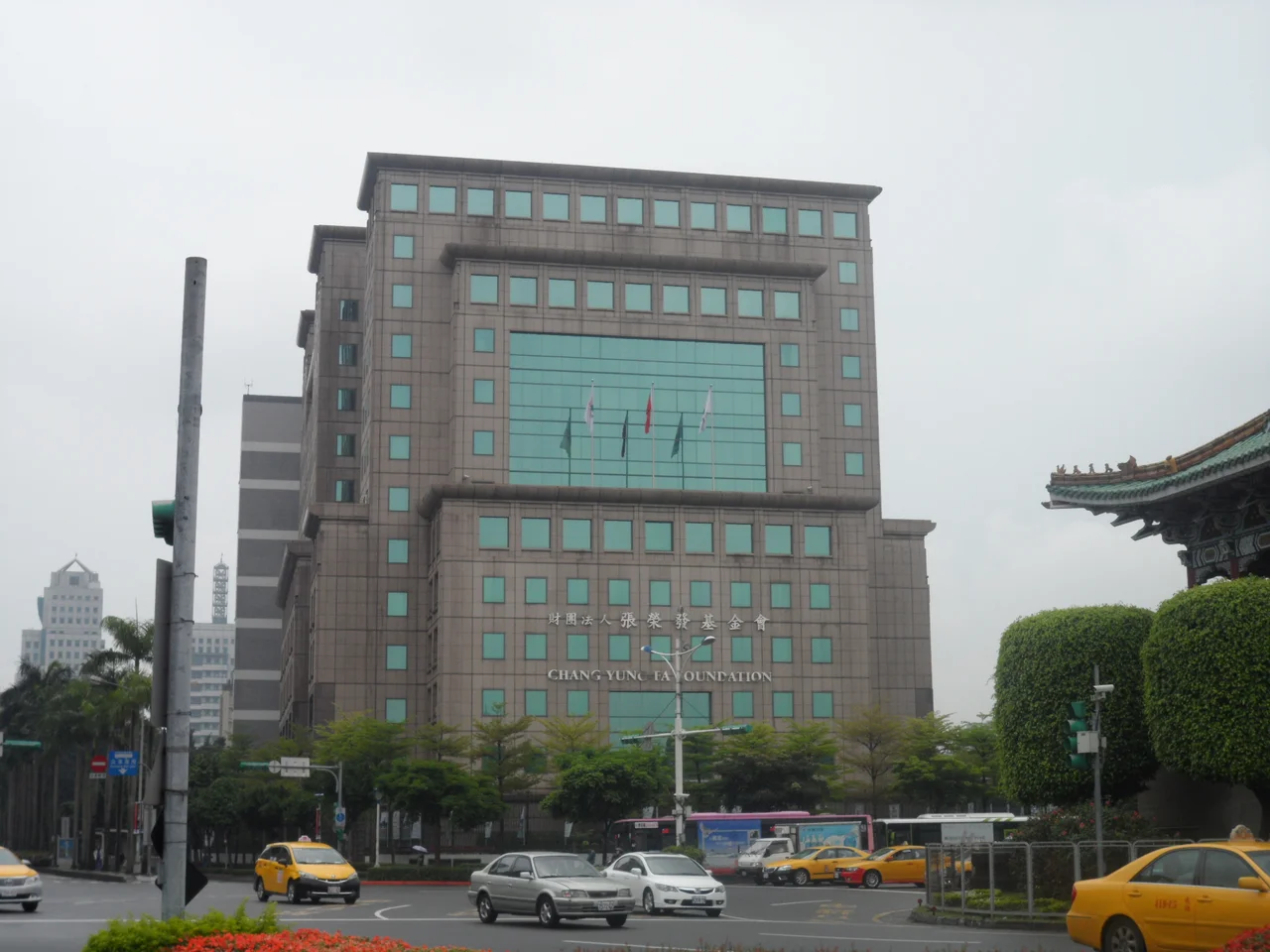

Evergreen Maritime Museum
Taiwan is an island, and its people have always had a complicated relationship with the sea. The sea brought traders and colonizers and refugees. It isolated the island and connected it. It fed fishing villages and drowned sailors. The Evergreen Maritime Museum, which opened on 7 October 2008 after nearly a decade of planning, was built by a company that understands the ocean as an economic force — Evergreen Group, founded by Chang Yung-fa, which grew into one of the world's largest container shipping operations. What the museum does, quietly and ambitiously across five floors of a Zhongzheng District building, is translate that commercial relationship with the sea into something anyone can stand before and feel.
The Art of the Scale Model
The permanent collection that occupies floors two through five is built around scale models, and the sheer quantity and quality of what is displayed there surprises visitors who came in expecting something modest. Ancient vessels sit alongside modern container ships. Warships and merchant vessels, fishing boats and ocean liners — each rendered with the kind of precision that requires both technical knowledge and genuine devotion to the craft. Dioramas place these ships in context: harbors, naval battles, coastal trade routes. Maps and globes offer the geographic frame. Navigational equipment — compasses, sextants, chronometers, signal flags — fills the cases between the models, representing the human ingenuity that allowed small boats to cross enormous oceans without the aid of satellites or radio. The collection is vast, the Wikipedia article for this museum notes, and of high quality in ways not immediately obvious from the museum's promotional materials.
Taiwan and the Sea
One of the thematic threads running through the museum is Taiwan's own maritime history — a subject that deserves its own extended treatment. The island's position at the junction of the South China Sea and the Pacific made it a natural waypoint for trade, and its coasts were shaped by Dutch colonizers, Spanish traders, Chinese migrants crossing the Taiwan Strait, and Japanese administrators who understood the strategic value of the island's ports. The Marine paintings section brings a different kind of lens: artists who tried to capture what sailors and those who watched them saw — the particular color of the Taiwan Strait in winter, the silhouettes of junks against a setting sun, the human scale of small boats against immense water.
The Titanic Section
Among the special exhibitions is a section dedicated to the Titanic — a choice that might seem incongruous in a Taiwanese maritime museum until you consider that the Titanic's story is, at its core, about the overconfidence of industrial civilization confronting the indifference of the ocean. The museum holds artifacts connected to Titanic passengers. These objects — personal effects, correspondence, items removed from luggage that was never delivered — carry the specific weight of material things that survived when the people who owned them did not. They remind visitors that maritime history is not only a story of expanding trade routes and improving navigation technology. It is also a story of everything that can go wrong, and of the ordinary people who happened to be at sea when it did.
Built for Exploration
The museum's stated mission is to preserve and present the history, art, and science of boats and ships in service of a larger goal: generating public interest in maritime culture and inspiring what the museum calls the spirit of exploration. The ground floor, free to the public and anchored by a cafe and gift shop, serves as the open invitation. Floors above it reward deeper engagement. For visitors who speak only English or Japanese, the museum is fully bilingual in Chinese and English throughout, with Japanese-language booklets available in the exhibitions. Audio guides work via QR codes and a smartphone. The building on Zhongshan South Road sits in comfortable walking distance of the Chiang Kai-shek Memorial Hall and NTU Hospital Station of the Taipei Metro — a central location for an institution that believes Taiwan's relationship with the sea is something every visitor to the capital should understand.
From the Air
The Evergreen Maritime Museum is located at 25.0386°N, 121.5189°E in Zhongzheng District, approximately 3 nautical miles south-southwest of Taipei Songshan Airport (RCSS). The museum building on Zhongshan South Road sits within the civic core of central Taipei, near the Chiang Kai-shek Memorial Hall — whose broad white roof and surrounding reflecting pools are one of the most recognizable landmarks in the city from the air. At 2,000 feet on a clear day, the rectangular plaza of the memorial complex anchors your position; the museum is immediately northeast of it. Taipei Taoyuan International Airport (RCTP) lies approximately 22 nautical miles to the west.
Nearby Stories
- Dapu Incident 9.3 km away
- Shuanglianpi Wetland 18 km away
- Toufen 41 km away
- North Jiangsu Main Irrigation Canal 980 km away
- General Cliff Rock Paintings 1050 km away
- Sinking of MV Sewol 1061 km away
- Yellow Sea 1111 km away
- Twin Forts of Romblon 1358 km away