Exide Lead Contamination
The city of Vernon is an industrial enclave of less than a square mile, surrounded by East Los Angeles. It has fewer than a hundred residents and exists, essentially, to provide a permissive regulatory environment for heavy industry. For decades, one of its largest operations was a lead-acid battery smelter that processed eleven million used car batteries every year. The communities downwind and downstream from that smelter are among the most predominantly Latino in Los Angeles. That was not a coincidence.
The Smelter
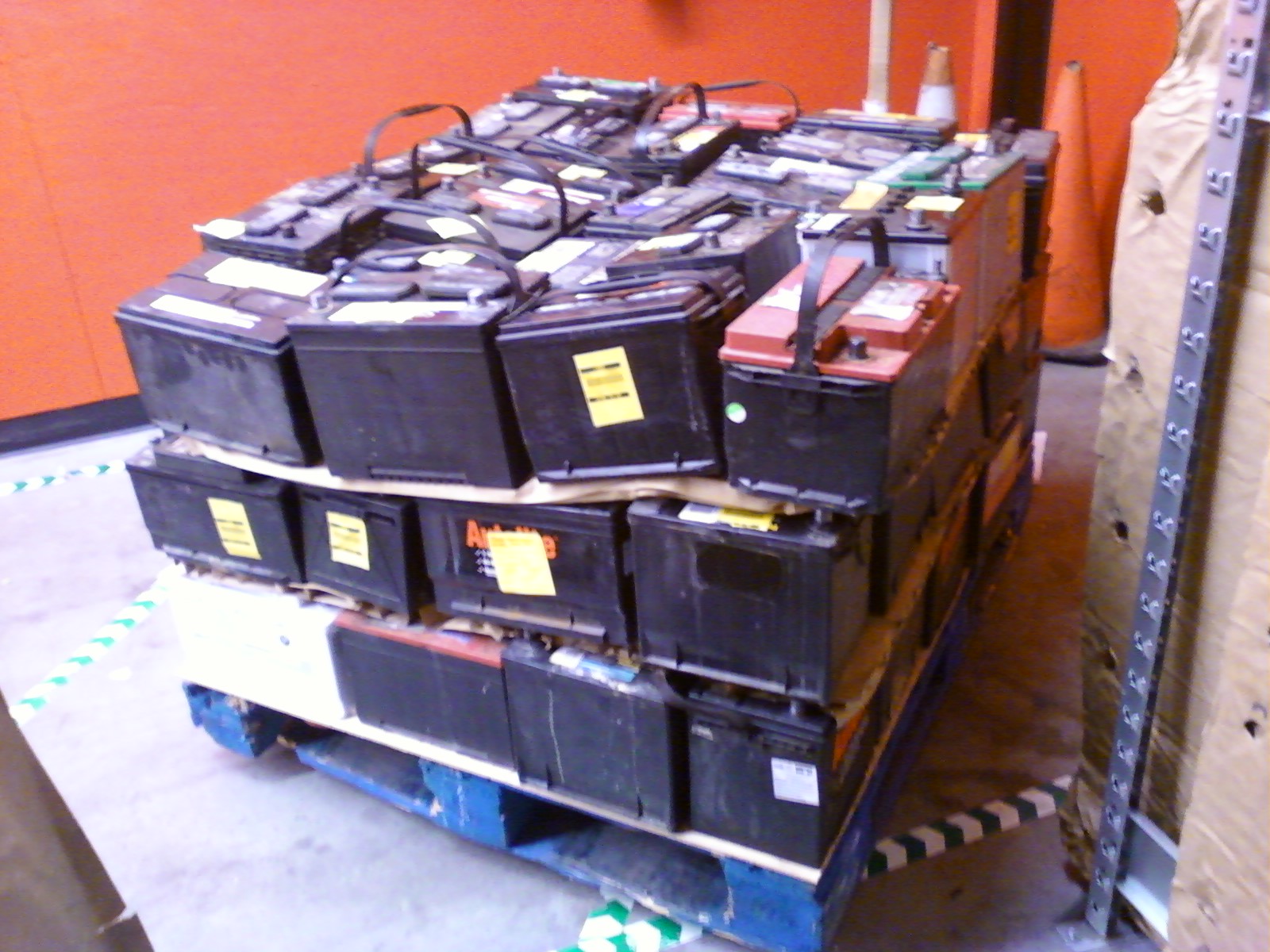
The Exide Technologies facility in Vernon reclaimed lead from used batteries—melting them down to extract the metal for resale. The process produces significant quantities of lead dust, arsenic, and other heavy metals that disperse into the air and settle on soil. The facility had been operating under various ownership structures since the mid-twentieth century.
Exide's operations were subject to regulatory oversight, but that oversight was persistently inadequate. The company received repeated violations over the years for exceeding permitted emissions levels. The communities of Boyle Heights and Maywood—where more than 90 percent of residents identified as Latino—bore the environmental consequences.
The Exposure
Lead is a neurotoxin with no safe exposure level in children. Even small amounts can cause permanent cognitive damage, behavioral problems, and developmental delays. Blood lead testing in children living near the Exide facility found elevated levels at rates significantly above the regional average.
When state and federal regulators conducted soil testing around the facility, they found lead contamination across a far larger area than had been publicly acknowledged. The final assessment identified approximately 10,000 properties within a contamination zone affecting an estimated 100,000 people. The boundaries of that zone mapped almost exactly onto the boundaries of working-class Latino neighborhoods in the southeast industrial corridor of Los Angeles.
The Deal and Its Aftermath
In March 2015, Exide Technologies reached an agreement with California regulators to close the Vernon facility permanently in exchange for avoiding criminal prosecution for environmental crimes. The company agreed to pay $50 million toward cleanup.
Fifty million dollars proved to be a fraction of what was needed. By 2023, the state of California had spent more than $336 million cleaning up approximately 4,400 properties—removing contaminated soil from yards, replacing it with clean fill, and replanting. Thousands more properties remained in the queue. Experts described the project as the largest environmental cleanup of residential soil contamination in California history.
The homeowners who had unknowingly planted gardens in contaminated soil, the children who had played in contaminated yards—none of them were compensated by Exide directly. The company filed for bankruptcy in 2020.
Environmental Justice
The Exide case became a touchstone for environmental justice advocates in California. The pattern it exemplified—heavy industry sited in communities of color, regulatory failures compounding over decades, cleanup costs borne by taxpayers while profits accrued to shareholders—is not unique to Vernon or to Los Angeles.
The California legislature subsequently strengthened the state's environmental justice protections, requiring greater scrutiny of industrial facilities proposed in communities already bearing disproportionate pollution burdens. Whether those protections are sufficient is still debated. The families of Boyle Heights and Maywood are still waiting for their neighborhoods to be fully cleaned up.
From the Air
The former Exide facility is located in Vernon, a small industrial city immediately south of the city of Los Angeles, southeast of downtown. Vernon is identifiable from the air by its dense concentration of industrial buildings and rail yards in the flat basin south of the 10 freeway, north of Huntington Park. The communities of Boyle Heights (to the north) and Maywood (to the southeast) are the residential neighborhoods most affected by the contamination. The 710 Long Beach Freeway passes to the east; the Los Angeles River is nearby to the west. Nearest airports: KLAX (Los Angeles International) to the west, KFUL (Fullerton Municipal) to the southeast.