Eyemouth Disaster
The morning of October 14, 1881 dawned calm over the Scottish Borders. Barometric pressure had been falling for days, and meteorologists had predicted a storm, but the herring season was ending and debts were mounting. The fishing fleets of Eyemouth and its neighboring villages could not afford another day in harbour. By the time the boats cleared the coast, the worst storm in living memory was already bearing down on them. The people of Eyemouth still call what followed Black Friday.
Economic Necessity, Mortal Cost
Eyemouth in 1881 was a town built around the sea. Nearly every family depended on fishing for survival, and the autumn herring season was the year's most important harvest. The fishermen knew the signs -- the glass was low, the air too still -- but staying ashore meant unpaid debts and hungry children. The boats went out. When the storm hit, it came with a violence that overwhelmed everything. Winds reached hurricane force. Visibility dropped to nothing. The fishing boats, many of them open or partially decked vessels, were caught between a sea gone mad and a coast they could no longer see. John Doull from the Fishery Office later concluded that many boats were wrecked precisely because the crews could not see the land through the driving rain and spray. They sailed too close to the cliffs and rocks, unable to navigate safely back to port or out to open water. Others capsized when improperly stowed ballast shifted in the violent seas, throwing the boats off balance.
The Toll of Black Friday
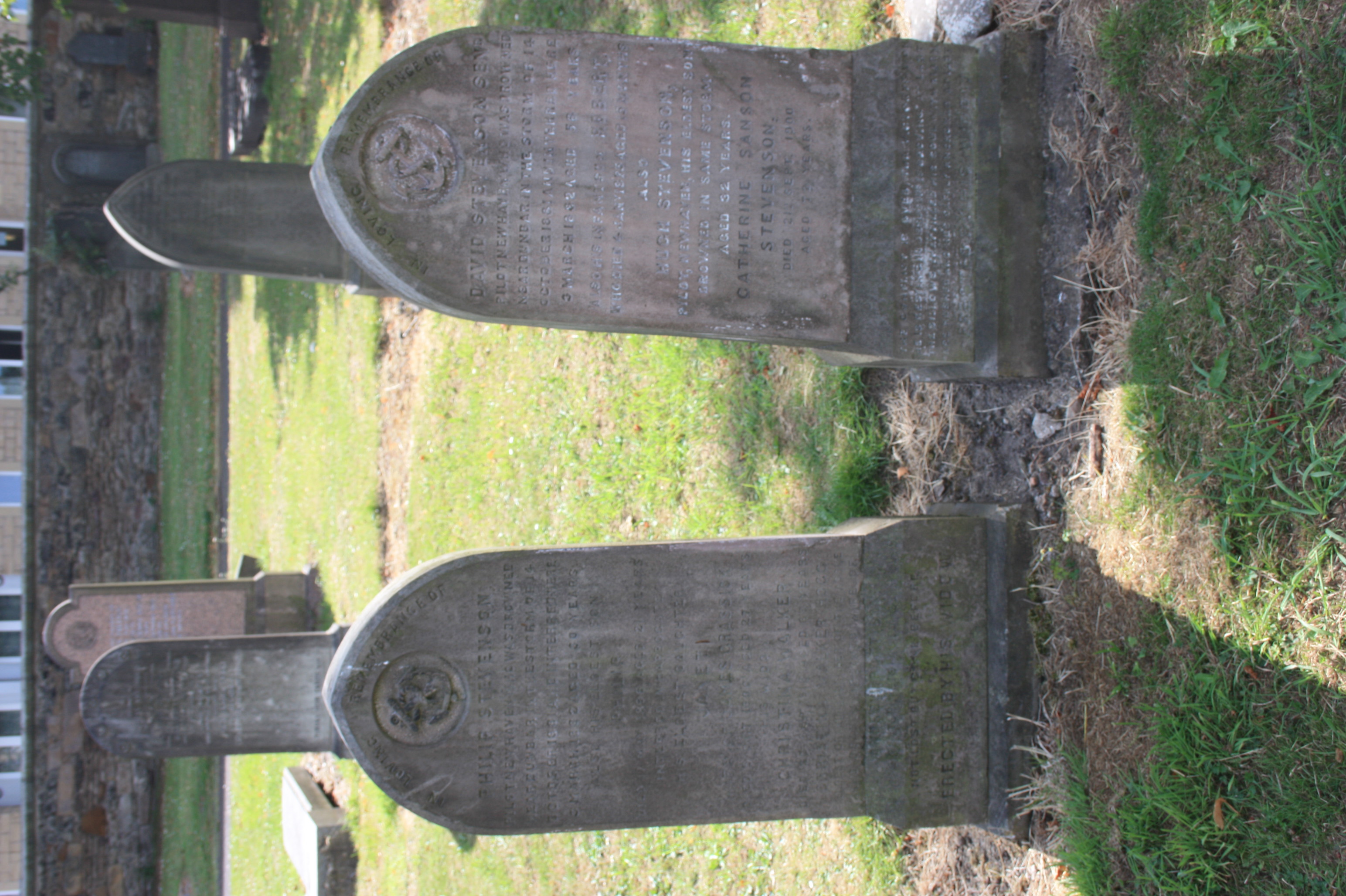
One hundred and eighty-nine fishermen died that day. Eyemouth alone lost 129 men -- virtually every active fisherman in the town. Burnmouth lost 24, Newhaven 15, Cove 11, Fisherrow 7, and Coldingham Shore 3. Some boats that survived the initial storm were wrecked on the Hurkar Rocks trying to make harbour. Bodies washed ashore for weeks, and some were not recovered for months. The paired grave of Stevenson family members from Newhaven, who drowned in the disaster and washed up the following spring, can still be seen in Rosebank Cemetery in Edinburgh. Two days after the storm, the Ariel Gazelle sailed into Eyemouth harbour, having braved the gale in open water rather than running for shore. She was one of the few boats to survive intact. Many houses in the town were also destroyed by the storm's fury. In a community of roughly 3,000 people, the loss of 129 men meant that nearly every household lost a father, son, husband, or brother.
A Community Shattered
The disaster did not simply kill men. It destroyed the economic and social fabric of an entire community. Eyemouth's fishing fleet was wrecked. Its workforce was gone. The women and children who remained faced destitution. A donation-led relief fund was established almost immediately, and the response from across Britain was significant, raising over fifty thousand pounds -- a vast sum for the time. Widows could collect five shillings a week unless they remarried, with an additional two shillings and sixpence for each child attending school. The rules were strict and reflected Victorian attitudes toward charity, but they kept families from starvation. Scottish artist J. Michael Brown painted the disaster in a large oil on canvas that captured the public imagination. The story reached newspapers across the country, prompting an outpouring of grief and generosity that reflected the peculiar horror of a peacetime catastrophe striking a community that had done nothing wrong except go to work.
Memorials in Stone and Bronze
Eyemouth today carries the disaster in its bones. A granite memorial in the town centre depicts a broken sailing mast -- a stark, simple image of truncated lives. At nearby St Abbs, a bronze sculpture shows women and children staring out to sea, waiting for boats that will never return. Similar memorials stand in other affected towns along the coast. The Eyemouth Museum houses a detailed exhibition about the disaster, including a tapestry stitched by local women that names every man who died. Walking through Eyemouth's narrow streets, past its harbour and along its clifftop paths, you sense the weight of what happened here. The town rebuilt itself, as fishing communities always do, but it never fully recovered the scale of its fleet or the confidence of its young men. Black Friday entered the local vocabulary as a date as fixed and heavy as any in Scottish history -- a reminder that the sea gives and takes without mercy, and that poverty can push people into danger as surely as any storm.
From the Air
Eyemouth lies at 55.87°N, 2.09°W on the southeastern Scottish coast, near the English border. The harbour and clifftop memorials are visible from low altitude. St Abbs Head, a dramatic clifftop nature reserve, lies just to the north. Nearest airports: Edinburgh (EGPH) approximately 45 nm northwest, or Newcastle (EGNT) about 60 nm south.