The Miracle of the Sun: When 70,000 People Saw the Sky Dance
On October 13, 1917, an estimated 70,000 people gathered in a field near the village of Fátima, Portugal. For months, three shepherd children had claimed to receive visions of the Virgin Mary, who promised a miracle on this day. What happened next has never been fully explained. According to thousands of witnesses, the sun appeared to spin in the sky, emit multicolored light, and plunge toward the earth before returning to its normal position. The 'Miracle of the Sun' became one of the most witnessed unexplained phenomena in history - a mass observation that believers consider proof of divine intervention and skeptics attribute to everything from solar phenomena to collective hallucination.
The Children
The story began on May 13, 1917, when three Portuguese shepherd children - Lúcia dos Santos (10), Francisco Marto (9), and Jacinta Marto (7) - claimed to see an apparition of a woman 'brighter than the sun' while tending sheep near Fátima. The woman, whom they later identified as the Virgin Mary, appeared to them monthly through October.
The apparitions were met with skepticism by local authorities and the Catholic Church alike. The children were interrogated, threatened, and at one point imprisoned. But their story never changed. They reported that the woman had promised a miracle on October 13 that would make everyone believe.
The Crowd
Word of the promised miracle spread across Portugal. On October 13, 1917, an enormous crowd gathered at the Cova da Iria - estimates range from 30,000 to 100,000 people. It had been raining all morning. The field was a sea of umbrellas and mud.
The crowd included believers, skeptics, journalists, and government officials. Many had traveled great distances. Some came to witness a miracle. Others came to expose a hoax. All eyes turned to the sky at the time the children said the apparition would appear - around noon.
The Event
According to witnesses, the rain stopped and the clouds parted, revealing the sun. Then something extraordinary happened. The sun appeared to spin on its axis, emitting rays of colored light - red, blue, yellow, green - that painted the landscape and the crowds below. Then the sun seemed to tremble, detach from its position, and zigzag toward the earth.
Witnesses reported feeling heat from the descending sun, then relief as it returned to its normal position. The event lasted about 10 minutes. When it ended, many witnesses found that their clothes, which had been soaked by the rain, were completely dry.
The Accounts
Newspaper accounts from the following days confirmed that something unusual had occurred. 'O Século,' a Lisbon newspaper known for anti-clerical views, reported the event in detail, noting that the crowd had witnessed 'the sun trembled, made sudden incredible movements outside all cosmic laws.'
Not everyone saw the same thing. Some witnesses reported the sun spinning. Others saw it zigzag. Still others saw nothing unusual at all. The phenomenon was apparently not observed at astronomical observatories or by people outside the immediate area of Fátima, suggesting it was localized or psychological rather than solar.
The Mystery
Explanations for the Miracle of the Sun vary wildly. Believers consider it a genuine miracle - divine intervention witnessed by tens of thousands. Skeptics propose natural explanations: atmospheric phenomena, sunspots, or the effects of staring at the sun. Psychologists suggest mass suggestion or collective hallucination.
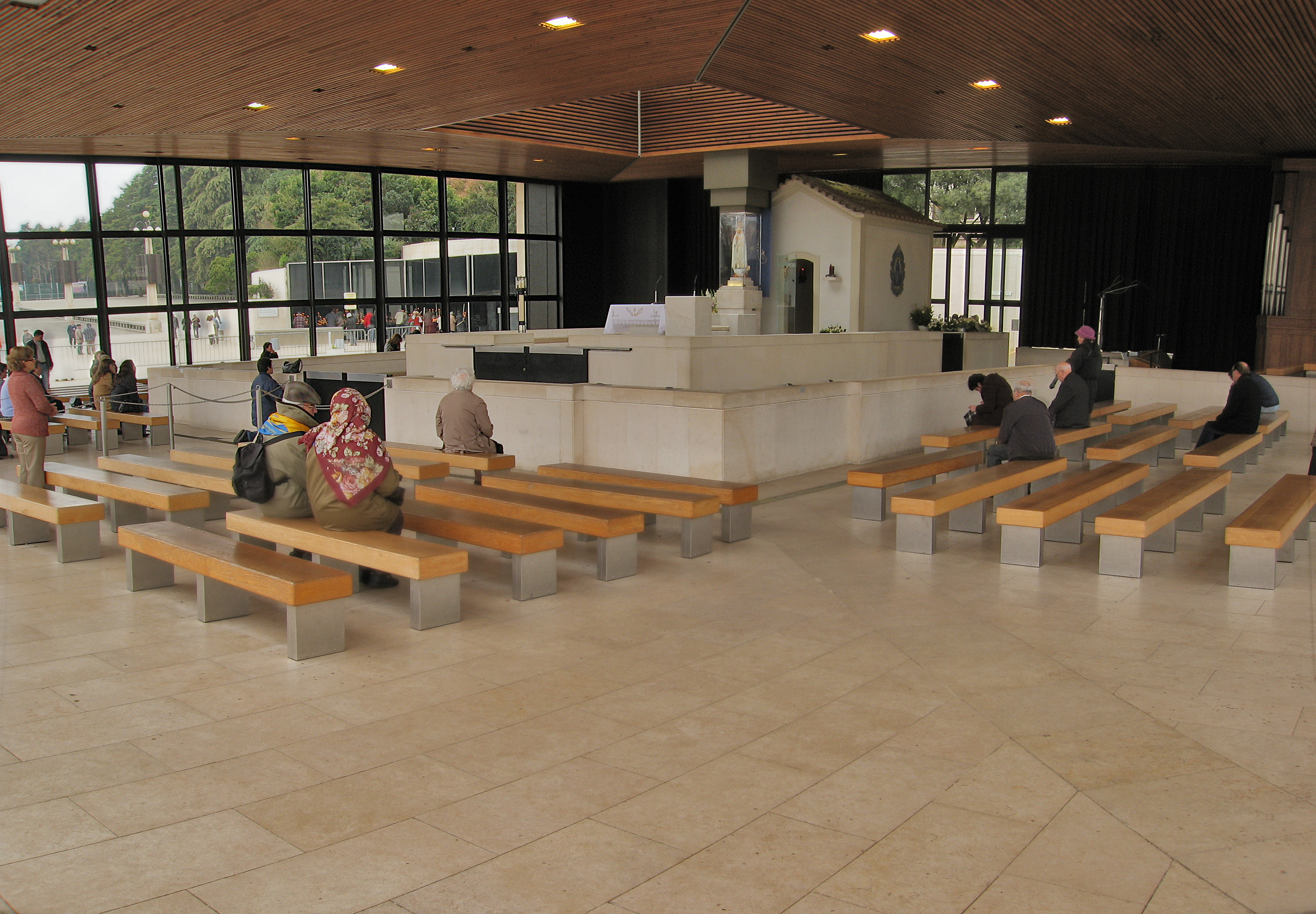
The Catholic Church investigated for years before approving the apparitions as 'worthy of belief' in 1930. The Sanctuary of Fátima is now one of the world's largest pilgrimage sites. Whatever happened on October 13, 1917 - miracle, mass delusion, or something in between - it remains one of the most witnessed unexplained events in history. 70,000 people saw something. What they saw depends on who's asking.
From the Air
Fátima (39.63N, 8.67W) lies in central Portugal, 120km north of Lisbon. Lisbon Portela Airport (LPPT) is 120km south. The Sanctuary of Fátima is visible from the air as a large religious complex. The Cova da Iria, where the apparitions occurred, is now surrounded by the basilica and esplanade. Weather is Mediterranean - dry summers, mild wet winters.