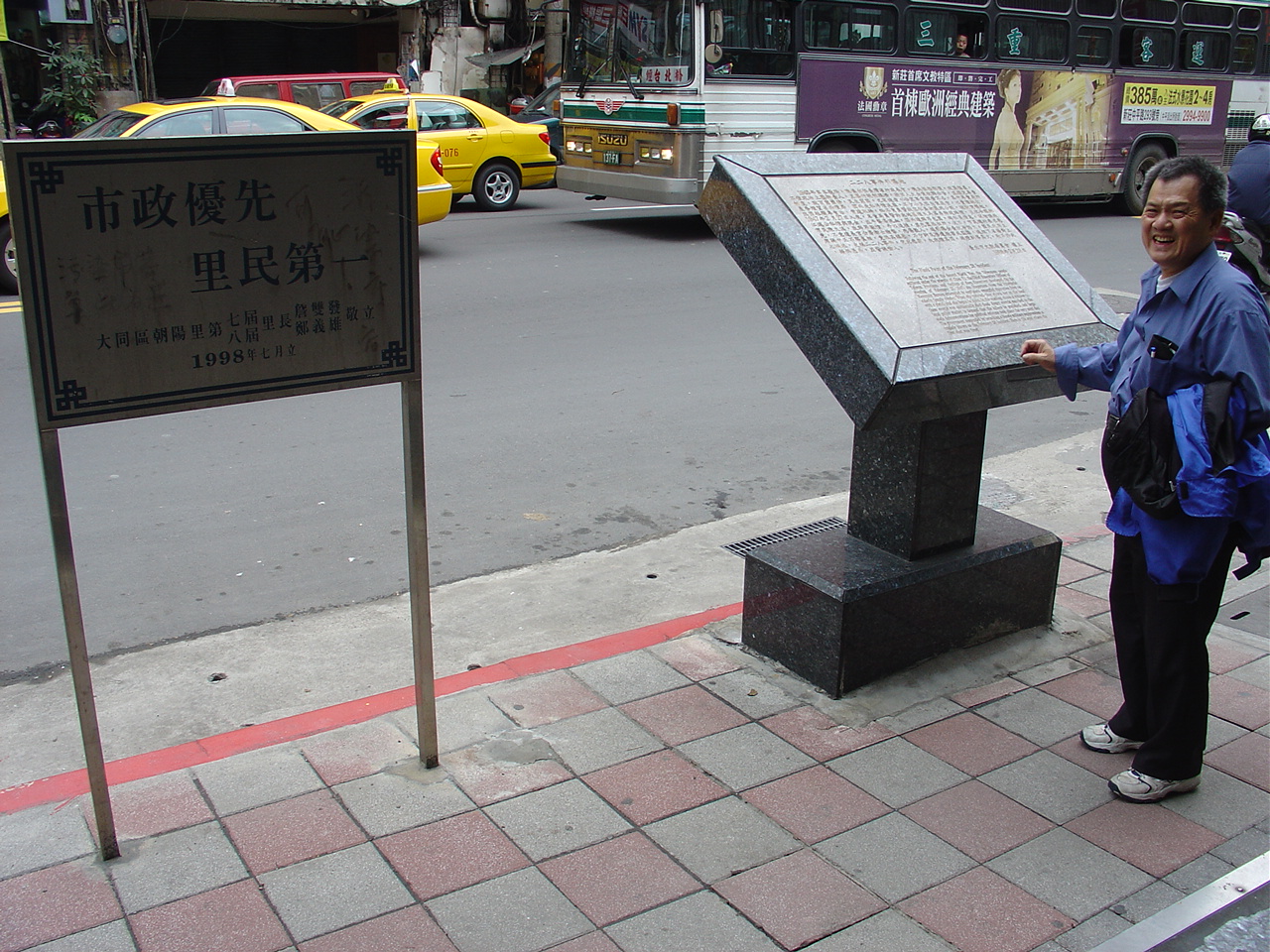
February 28 Incident
On the evening of February 27, 1947, agents from Taiwan's Tobacco Monopoly Bureau entered the Dadaocheng district of Taipei to confiscate contraband cigarettes. They found a 40-year-old widow named Lin Jiang-mai selling loose cigarettes at the Tianma Tea House. When she pleaded for their return, one of the agents struck her in the head with the butt of his gun. An officer then fired into the gathering crowd, killing a bystander. By the next morning, that single act of brutality had lit a fuse that would engulf the entire island in revolt -- and the Kuomintang government's response would leave scars that Taiwan is still reckoning with today.
The Seeds of Fury
To understand why one widow's beating could ignite an island, you have to understand what Taiwan had endured since 1945. After 50 years of Japanese colonial rule -- a period that, despite its injustices, had brought economic development and a degree of self-governance -- Taiwanese initially welcomed the arriving Kuomintang troops from mainland China with genuine hope. That hope evaporated quickly. Governor-General Chen Yi seized control of Japanese-era state monopolies in tobacco, sugar, camphor, and other industries, confiscated over 500 factories and mines, and installed mainland Chinese officials in nearly every government and judicial post, displacing the Taiwanese professionals who had served under the Japanese system. Commodities were bought cheaply by the KMT administration and shipped to the mainland to feed Civil War shortages, creating crippling scarcity on the island. The price of rice rose to 100 times its original value within a year of the takeover, and by January 1947 had ballooned to 400 times the pre-handover price. Undisciplined garrison troops looted and stole with impunity. Taiwan was being stripped bare.
An Island in Revolt
After the shooting on February 28, protesters gathered across Taipei. When they marched to the Governor General's Office, soldiers opened fire, killing at least three more people. Within days, Taiwanese civilians seized control of a radio station and broadcast news of the incident across the island. Uprisings erupted in cities and towns from Taichung to Chiayi. For several weeks, civilians effectively governed much of Taiwan, with public order maintained by volunteer organizations of students and unemployed former Japanese army soldiers. Local leaders formed settlement committees and presented the government with 32 demands for reform, including greater autonomy, free elections, surrender of the ROC Army to civilian authority, and an end to the pervasive corruption. They also demanded representation in the upcoming peace treaty negotiations with Japan, hoping for a plebiscite on the island's political future. Outside Taipei, local militias formed. In Chiayi, the mayor's residence was set on fire.
The Crackdown
Governor Chen Yi had been negotiating with the settlement committees, but he was also sending urgent requests for military reinforcements to the mainland. When the troops arrived, the reprisals were devastating. Soldiers swept through cities and towns, targeting not only those involved in the uprising but intellectuals, local leaders, lawyers, doctors, and anyone perceived as a threat to KMT authority. Estimates of the death toll range from 18,000 to 28,000 people. The crackdown extended well beyond the immediate participants in the revolt -- it was a systematic effort to decapitate Taiwanese civic leadership and eliminate potential opposition. Many of those killed had nothing to do with the protests. Two years later, in 1949, the KMT imposed martial law across the island, beginning a 38-year period known as the "White Terror" during which political dissent was ruthlessly suppressed, thousands more were imprisoned or executed, and the February 28 incident itself became a forbidden subject.
Silence and Memory
For nearly four decades, Taiwanese could not speak openly about what happened in February and March of 1947. The lifting of martial law in 1987 began a slow process of reckoning. February 28 was designated a national memorial day, and a 228 Memorial Museum opened in Taipei in 2011, housed in a broadcast station that had played a role in the uprising. The government formally apologized and began compensating victims' families. In 2019, the Transitional Justice Commission exonerated 1,270 people who had been convicted in the incident's aftermath. But the 228 incident had already accomplished something the KMT never intended: it became a foundational narrative for the Taiwan independence movement and a defining marker of distinct Taiwanese identity, separate from mainland China. Every February 28, Taiwan pauses to remember -- not just the dead, but the decades of silence that followed.
From the Air
Coordinates: 23.772°N, 120.982°E (memorial location in central Taiwan, near the epicenter of the events that spread island-wide). The 228 Peace Memorial Park in Taipei (25.042°N, 121.515°E) is a key memorial site. The Dadaocheng district where the incident began is in western Taipei along the Tamsui River. Nearest airports: Taipei Songshan (RCSS), Taiwan Taoyuan International (RCTP). The 228 National Memorial Museum is visible in central Taipei.