Federal Prison Camp, Duluth
The minutes are like hours, the hours like days. That was how Denny Hecker, a Minnesota auto magnate convicted of bankruptcy fraud, described his time at Federal Prison Camp Duluth in a 2011 interview. He spent his days lifting weights in a fully equipped gym, eating from a salad bar, and watching planes climb from the adjacent airfield -- the same runway that once launched interceptors scrambled to meet Soviet bombers during the Cold War. FPC Duluth sits on the former Duluth Air Force Base near the southwestern tip of Lake Superior, halfway between the Twin Cities and the Canadian border. When the Air Force closed the base in 1983, eliminating roughly 1,375 jobs and dealing a painful economic blow to the region, the Federal Bureau of Prisons stepped in to repurpose the facilities. The conversion was straightforward: military barracks became inmate housing, and a decommissioned defense installation began its second life as a minimum-security federal prison for male offenders.
From Interceptors to Inmates
The Duluth Air Force Base had spent decades as part of America's continental air defense network, its fighter squadrons standing ready to intercept threats approaching over the Great Lakes. The base's nuclear missile site was shut down in 1971, and the active-duty fighter squadron relocated to Michigan. By 1976, the air defense mission had largely ended. When the base closed in 1983, the community lost more than just military personnel -- it lost an economic anchor. The Federal Bureau of Prisons, part of the United States Department of Justice, saw an opportunity in the surplus infrastructure. FPC Duluth commenced operations in 1983, converting the military housing and administrative buildings into a minimum-security prison camp. The location offered practical advantages: isolation from major population centers, existing infrastructure, and an adjacent airfield that remained active as part of the Duluth Air National Guard Base.
Country Club Behind Razor Wire
FPC Duluth has earned a reputation as one of the more comfortable stops in the federal prison system -- a distinction that says more about American incarceration than about luxury. CBS reporter Esme Murphy's 2011 visit painted a picture of institutional monotony rather than hardship. Inmates wore surplus Army fatigues from the 1960s. They had access to a gym, a movie theater, and meals that included fresh cinnamon rolls at breakfast. Hecker, the former auto dealer who had made millions before his fraud conviction, slept in a bunk bed in a room with three other men in a residential dorm-like building. He had wanted to teach business classes to fellow inmates; instead, he was assigned to wash floors. The prison houses offenders convicted largely of financial crimes and other nonviolent offenses, the kind of sentences where the punishment is measured more in lost years than in physical deprivation.
Aging Infrastructure on the Lakeshore
The same military-era buildings that gave FPC Duluth its start have become its greatest liability. The facilities suffer from widespread structural deterioration, contaminated with asbestos and lead paint -- artifacts of mid-twentieth-century military construction standards. In December 2024, the Federal Bureau of Prisons announced plans to deactivate the camp, citing the dilapidated conditions as a significant factor. The closure would have eliminated jobs in a region that already lost hundreds when the Air Force departed four decades earlier. The decision was reversed shortly after, keeping the facility operational. The reprieve, however temporary, underscores a persistent tension: the buildings were engineered for Cold War urgency, not for decades of continuous institutional use, and the cost of maintaining them grows steeper with each passing winter on the shore of Lake Superior.
A View of the Planes
From the air, FPC Duluth is a cluster of low-slung buildings just west of the runways at Duluth International Airport, set against the dark expanse of boreal forest that blankets northern Minnesota. Lake Superior's southwestern arm stretches to the east, its cold waters visible on clear days from the prison grounds. The Minnesota Air National Guard's 148th Fighter Wing still operates from the adjacent airfield, and the sound of military aircraft remains part of daily life for the facility's inmates. Hecker mentioned it in his interview -- spending hours watching planes overhead, each departure a reminder of the freedom of movement he had surrendered. The geography reinforces the strange duality of the place: a scenic lakeside setting in Minnesota's north woods that also happens to be a federal prison, staffed by corrections officers who commute from Duluth, seven miles to the south.
From the Air
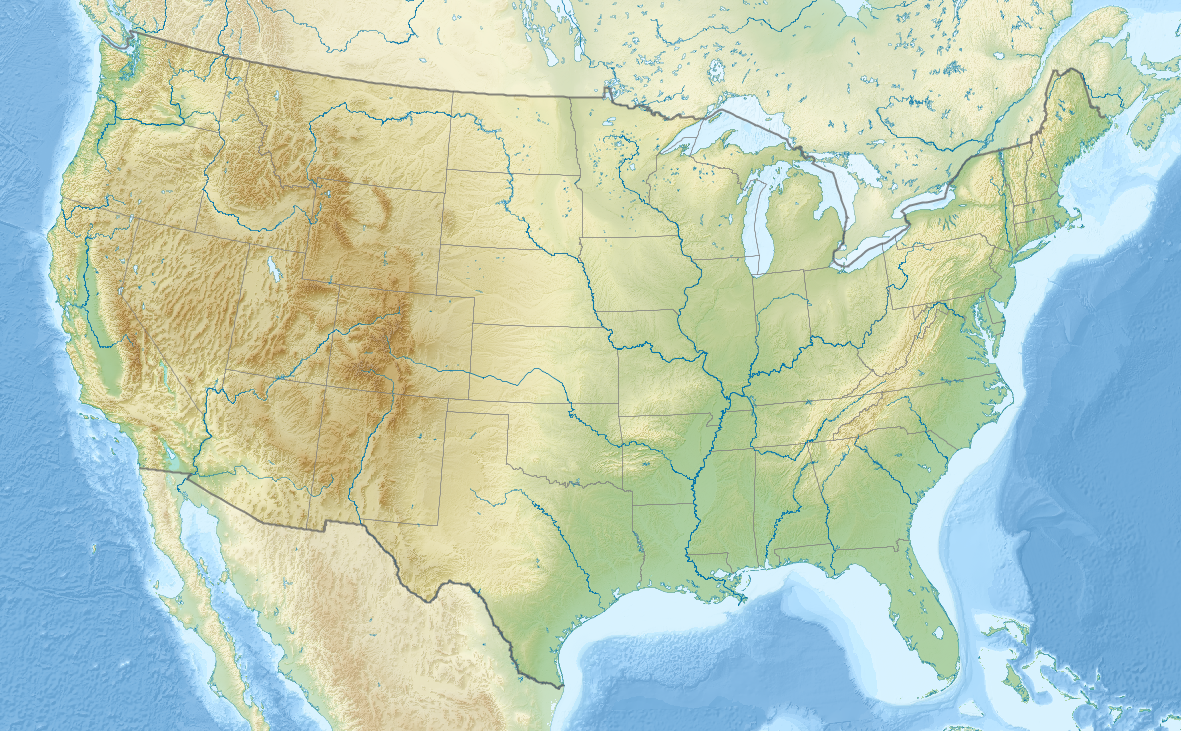
Located at 46.835°N, 92.195°W on the former Duluth Air Force Base, immediately west of Duluth International Airport (KDLH). The prison compound is visible as a cluster of low institutional buildings adjacent to the airport's western perimeter. The 148th Fighter Wing of the Minnesota Air National Guard operates from the adjacent airfield. Lake Superior's southwestern tip is approximately 5 nm to the east. Terrain is flat with boreal forest cover. Best viewed at 2,000-4,000 feet AGL on approach to or departure from KDLH. The facility sits roughly halfway between Minneapolis-St. Paul (KMSP, ~130 nm south) and the Canadian border.