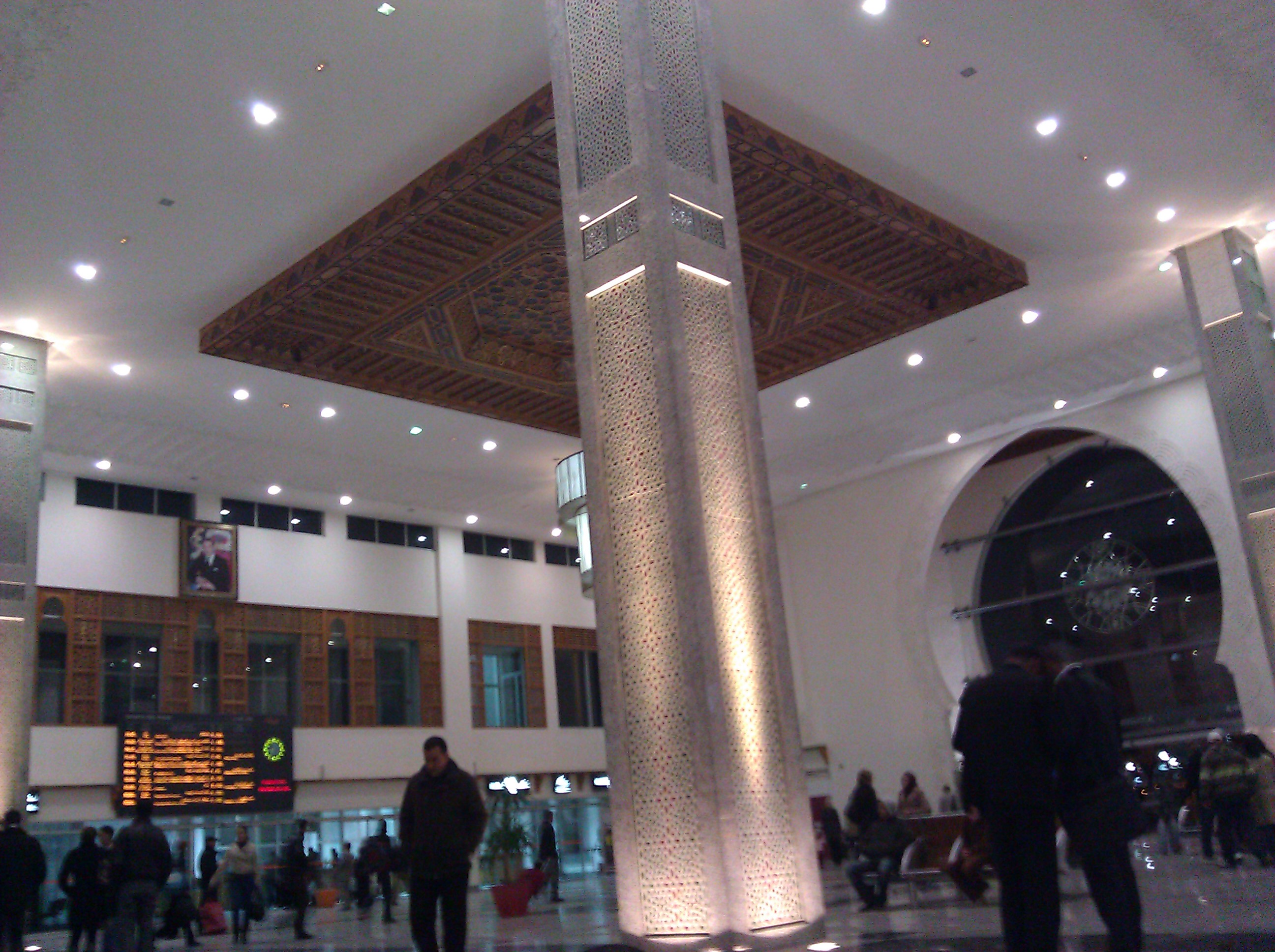
Fes
Fes is Morocco's spiritual and cultural heart, the city that held power while Marrakech and Casablanca were lesser places, the home of the University of al-Qarawiyyin that UNESCO recognizes as the world's oldest continuously operating degree-granting institution. The medina of Fes el-Bali, founded in the 9th century, is the largest car-free urban area in the world, its 9,400 narrow streets and passages defying navigation by all but those who grew up within them. Fes holds 1.2 million people in the metropolitan area, the fourth-largest Moroccan city, a place where the medieval past is not preserved but inhabited, where donkeys still carry goods through streets too narrow for anything larger.
The Medina
Fes el-Bali is the world's largest car-free urban area, its streets too narrow for vehicles, its organization incomprehensible to visitors. The 9,400 lanes and alleys follow no grid; the landmarks that might orient navigation are invisible within the maze; the locals who guide tourists through do so for payment because confusion is inevitable. The medina is not tourist attraction but working city, its 150,000 residents conducting daily life in spaces that visitor cameras cannot capture.
Getting lost in the medina is not failure but feature - the disorientation that forces reliance on locals, the discoveries that wandering produces, the sense of time collapsed that medieval streets create. The riads that hide behind anonymous doors, the workshops where craftsmen practice trades unchanged for centuries, the mosques that non-Muslims cannot enter but can hear calling - the medina reveals itself to those who accept their confusion.
The Tanneries
The Chouara Tannery has operated since the 11th century, its stone vats holding the dyes that turn animal hides into the leather that Morocco exports globally. The process is ancient: skins soaked in pigeon droppings to soften them, then dyed in natural colors - saffron for yellow, poppy for red, indigo for blue. The terraces that overlook the tannery provide the viewpoint that photographs require; the mint that guides distribute combats the smell that processing creates.
The tanneries represent traditional industry surviving modernity - the processes unchanged because they produce quality that machines cannot match, the location unchanged because the infrastructure cannot move. The workers who labor in the vats do difficult work for modest wages; the tourists who photograph them from above participate in a transaction whose ethics tourism rarely examines. The tanneries are spectacular and troubling, beautiful and exploitative.
Al-Qarawiyyin
The University of al-Qarawiyyin was founded in 859 CE by Fatima al-Fihri, a woman who used her inheritance to establish a mosque and madrassa that became the world's oldest degree-granting university. The institution taught Islamic sciences, medicine, and mathematics to students who included Pope Sylvester II and the Jewish philosopher Maimonides. The university continues to operate, its scholars studying and teaching in buildings that date back over a millennium.
Non-Muslims cannot enter al-Qarawiyyin, though the courtyards are visible from doorways that patient observation can find. The institution's influence on European learning - the mathematics and philosophy that passed through it, the scholars it trained who carried knowledge across borders - represents intellectual exchange that modern conflicts obscure. Al-Qarawiyyin is Muslim heritage but also human heritage, the preservation of knowledge during periods when Europe had forgotten it.
The Royal City
Fes is Morocco's first imperial city, the capital of dynasties that ruled from here while Marrakech and Rabat were provincial. The royal palace that still serves the king when he visits, the mausoleums that hold previous rulers, the gates that demonstrate power through ornament - these remain from the centuries when Fes was Morocco's center. The Mellah, the Jewish quarter established in the 15th century, housed the community that served the sultans and was protected by them.
The Jews have largely departed, emigrated to Israel and elsewhere after Moroccan independence; the Mellah remains as neighborhood and memory. The synagogues that tourists can visit, the cemetery where graves crowd hillsides, the architecture that differs subtly from Muslim quarters - these mark what was. Fes was cosmopolitan when cosmopolitanism meant coexistence rather than mixing; the departure of the Jews reduced that complexity.
The Crafts
Fes is Morocco's craft capital, the workshops that produce pottery, metalwork, textiles, and woodwork concentrated in the medina's neighborhoods. The crafts are not tourist souvenir production - or not only that - but genuine industry, the goods that Moroccan households use produced here by artisans whose training was apprenticeship rather than school. The guild system that organized medieval production survives in attenuated form, the neighborhoods still associated with particular trades.
The blue and white pottery that Fes is famous for, the zellige tilework that covers every important surface, the brass lamps and leather goods that fill the souks - these represent skills transmitted across generations. The tourism that has made crafts economically viable also threatens to transform them, the production of authenticity for visitors replacing the authenticity of production for use. The craft tradition endures because demand sustains it, the question being what form that demand will ultimately shape.
From the Air
Fes (34.03N, 4.98W) lies in northeastern Morocco between the Atlas and Rif Mountains. Fes-Saiss Airport (GMFF/FEZ) is located 15km south of the city center with one runway 07/25 (3,200m). The medina is visible as a dense, car-free area. The royal palace and surrounding grounds are identifiable. The terrain is hilly with mountains visible in the distance. Weather is Mediterranean with continental influence - hot dry summers, mild wet winters. Clear conditions predominate outside winter rainy season. Dust and haze can reduce visibility.