Fiji
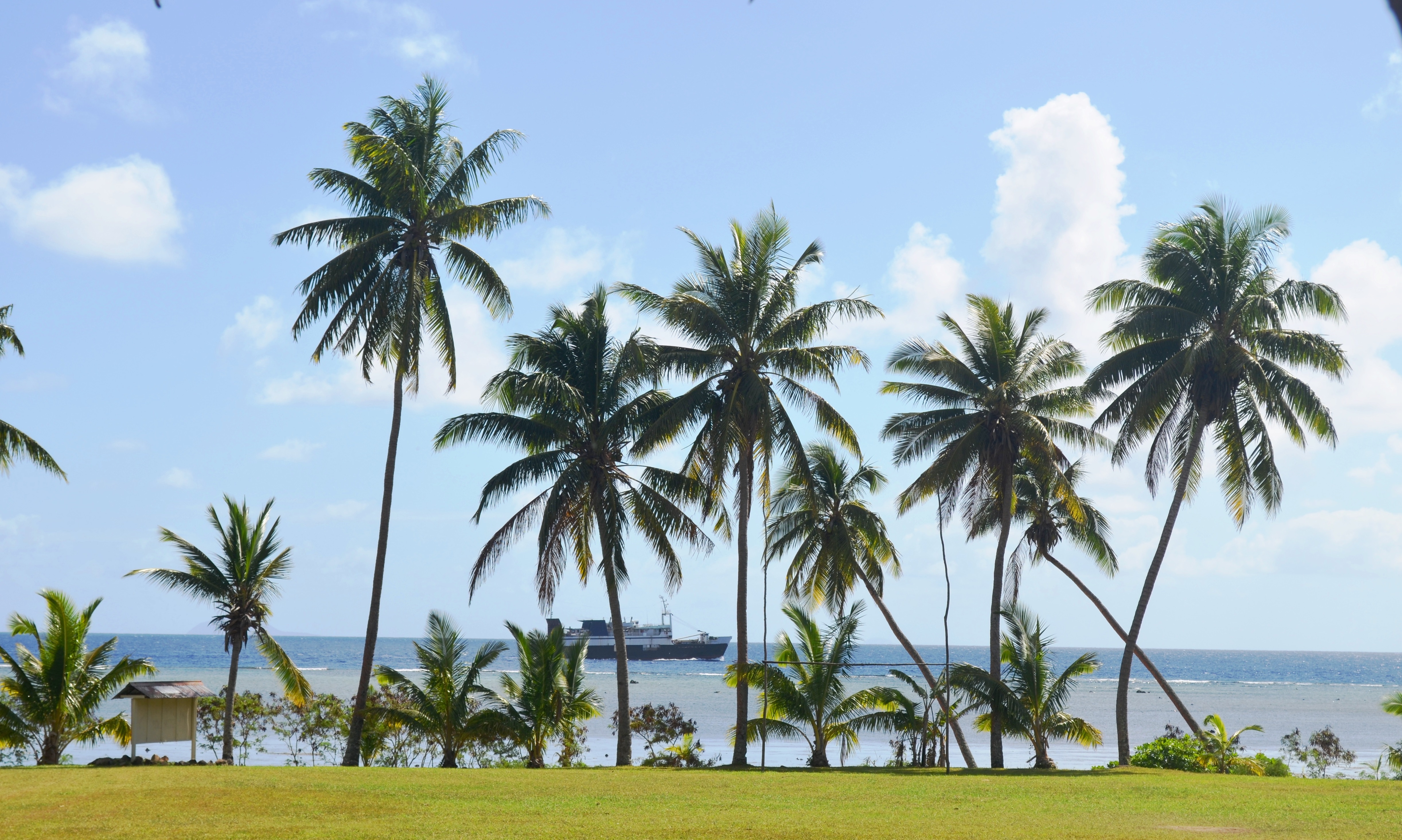
Fiji straddles the 180th meridian, making it one of the first places on Earth to greet each new day. This geographic quirk hints at something essential about these islands: they exist at crossroads. Volcanic mountains rise from the interior of the two main islands, while palm-fringed beaches and coral reefs trace their shores. The indigenous Melanesian population - renowned warriors who practiced cannibalism until the 19th century - now shares the nation with descendants of Indian laborers brought by the British to work the sugar plantations. Hindu temples stand near Methodist churches. Kava ceremonies blend with curry houses. The result is a Pacific nation unlike any other, where the word 'bula' - meaning both 'hello' and 'life' - welcomes visitors to a culture that has absorbed influences while remaining distinctly Fijian.
Islands of Fire and Coral
Fiji's 332 islands divide roughly into two types: the volcanic high islands and the low coral atolls. Viti Levu, the largest island, contains most of the population and the capital Suva, along with peaks exceeding 1,300 meters that catch the southeast trade winds, producing the lush rainforests that cover the windward slopes. Vanua Levu, the second-largest, offers a similar mix of volcanic interior and coastal coconut plantations. To the west, the Mamanuca and Yasawa island chains - younger, smaller, and picture-perfect - have become synonymous with tropical resort tourism. The diving here ranks among the world's best, with the Bligh Water passage between the main islands offering encounters with manta rays, reef sharks, and some of the Pacific's healthiest coral formations.
Colonial Legacy
European involvement in Fiji began with Abel Tasman's accidental discovery in 1643, but meaningful contact came only in the 19th century. The British established colonial rule in 1874, acquiring a society that had already been profoundly changed by Christianity - the Fijians had converted en masse from their traditional warrior culture just decades earlier. The British brought something else: indentured laborers from India to work the sugar cane fields, establishing a population that now comprises about a third of Fiji's residents. Independence came in 1970, but the relationship between indigenous Fijians and Indo-Fijians has shaped - and sometimes destabilized - the nation ever since. Four military coups since 1987 have reflected these tensions, though the resort islands remain worlds away from the politics of Suva.
The Kava Ceremony
No visitor to Fiji should miss participating in a kava ceremony. Kava - called yaqona locally - is a mildly intoxicating drink made from the root of the pepper plant, producing a numbing sensation in the mouth and a pleasant relaxation throughout the body. The ceremony itself matters as much as the drink. Participants sit cross-legged in a circle while a ceremonial bowl is filled. Each person claps once, accepts a coconut shell cup, drinks it in a single gulp, then claps three times. The ritual originated as a peace-making practice between villages - an alternative to the warfare that once dominated Fijian life. Today, it serves as a gesture of welcome and respect, and visitors to traditional villages are expected to bring kava as a gift for the chief.
Two Cuisines, One Nation
Fiji's culinary landscape reflects its dual heritage. Traditional Melanesian cooking relies on root vegetables - taro, cassava, breadfruit - cooked in coconut milk or prepared in earth ovens called lovo. Palusami, taro leaves baked in coconut cream, appears at every celebration. Kokoda, raw fish marinated in lime and coconut, offers Fiji's answer to ceviche. But equally prevalent is the food brought by Indian immigrants: curries of every variety, roti bread, and thali platters served in roadside cafes throughout the main islands. The fusion works both ways - Fiji has developed its own curry style, and dishes like fish suruwa blend Indian spicing with Pacific seafood. At upscale resorts, chefs draw from both traditions to create something uniquely Fijian.
Paradise and Reality
The Fiji of resort brochures - white sand, turquoise water, thatched bures on private islands - exists in the Mamanucas and Yasawas, where some properties occupy entire islands and the only concerns are sunburn and snorkel selection. But Fiji encompasses much more: the genuinely friendly locals who make 'Fiji time' (a relaxed approach to schedules) a philosophy rather than an excuse; the challenging hiking in Viti Levu's interior; the rugby fanaticism that makes Fiji a sevens powerhouse; the threat of cyclones during the wet season from November to April. The nation's economy depends heavily on tourism and sugar, both vulnerable to weather and global markets. Beneath the paradise marketing lies a real country with real complexity - which makes the authentic encounters all the more meaningful.
From the Air
Located at 18.0°S, 178.0°E in the South Pacific, approximately 2,000km north of New Zealand. The two main islands, Viti Levu and Vanua Levu, are visible from cruising altitude as mountainous landmasses with distinct green peaks. The Mamanuca and Yasawa island chains extend northwest from Viti Levu. Nadi International Airport (NAN) on Viti Levu serves as the main gateway; Suva's Nausori Airport (SUV) handles some international traffic. The international date line passes just east of the archipelago. Coral reefs are visible as lighter blue-green patterns around the islands.